
Porcelain Veneers for Smile Transformation

Porcelain Veneers for Smile Transformation: Expert Guide to Procedure, Cost, and Care
Porcelain veneers are thin, custom porcelain shells bonded to the front of teeth to improve color, shape and symmetry. This concise guide explains benefits, the clinical workflow, typical costs, and practical aftercare so you can decide whether veneers suit your cosmetic goals.
Key Takeaways
- Custom porcelain shells improve color, shape and minor alignment.
- Procedure steps: consultation, enamel reduction, impressions, temporaries, final bonding.
- Typical cost range: $1,000–$2,500 per tooth (varies by material and clinician).
- Veneers give natural-looking, durable results with less tooth reduction than crowns.
- Good oral hygiene and routine dental visits preserve longevity.
- Avoid hard foods to reduce chipping risk.
- Typical lifespan: roughly 10–15 years with care.
- Best for patients with healthy teeth seeking cosmetic correction.
- Financing plans are often available to spread cost.
Porcelain Veneers for Smile Transformation
Veneers mask stains, repair small chips and close minor gaps to produce a uniform, natural-looking smile. They are a conservative cosmetic option that can enhance facial aesthetics and patient confidence when planned appropriately.
Studies consistently show that porcelain laminate veneers boast high success rates and predictable patient outcomes.
Porcelain Veneers: High Success Rates and Predictable Outcomes
The majority of studies report that porcelain laminate veneers (PLVs) achieve high success rates and predictable patient outcomes. Current literature also highlights heterogeneity in study designs; researchers should aim for more consistent methodologies to support systematic reviews and meta-analyses.
Survival rates for porcelain laminate veneers: a systematic review, 2021
Procedure:
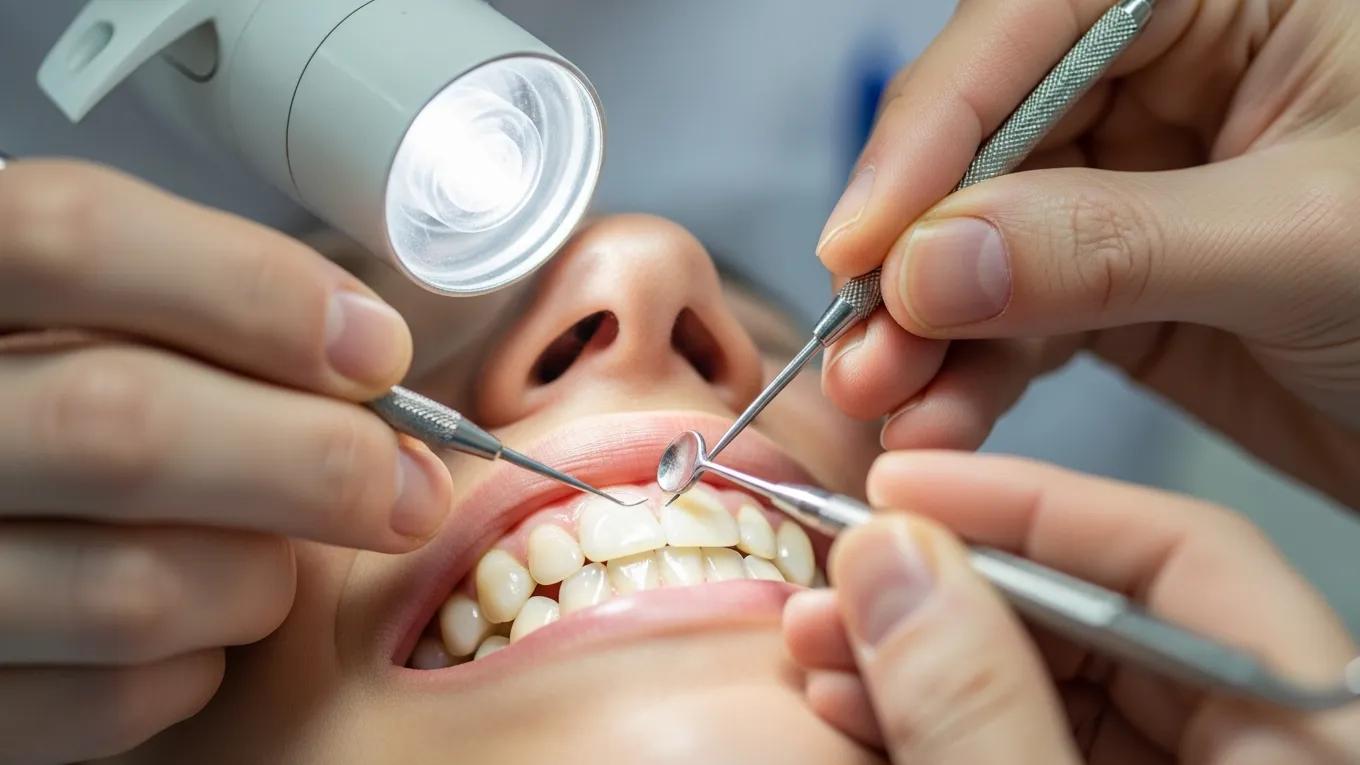
The clinical sequence is predictable and reproducible. Clear communication about goals early in the process helps the team deliver a consistent aesthetic result.
- Consultation: Clinical exam, photos and discussion of desired outcome and options.
- Tooth Preparation: Minimal enamel removal to create space for veneers and correct contours.
- Impression Taking: Accurate impressions or digital scans used to fabricate custom veneers.
- Temporary Veneers: Short-term temporaries protect prepared teeth while the lab completes the restorations.
- Final Placement: Try-in and precise bonding with adhesive systems for long-term retention.
These steps ensure a precise fit and natural integration with adjacent teeth.
Associated Costs:
Costs depend on material quality, the number of teeth treated, and clinician expertise. Expect an approximate range of $1,000–$2,500 per tooth; complex cases or premium ceramics may be higher.
Factors Influencing Dental Veneers Cost in Michigan and Indiana
- Material Quality: Higher-grade porcelains improve translucency and durability but increase cost.
- Dentist Expertise: Experience and laboratory partnerships affect pricing and outcomes.
- Regional Pricing Variations: Urban practices often have higher fees than rural areas.
Insurance Coverage and Flexible Financing Plans for Veneers
Cosmetic veneers are commonly excluded from standard dental insurance. Many practices offer financing or payment plans—ask your office about available options before scheduling treatment.
Care Tips for Maintaining Veneers:
Routine daily care and sensible habits preserve veneers and underlying teeth.
- Oral Hygiene: Brush twice daily and floss to prevent plaque and gum disease.
- Regular Checkups: Professional cleanings and periodic exams detect issues early.
- Dietary Cautions: Avoid biting hard objects and be careful with very hard foods.
Maintain routine care to maximize aesthetics and function over time.
What Are Porcelain Veneers and How Do They Enhance Your Smile?
Porcelain veneers are thin, tooth-shaped shells bonded to the front surface to improve color, shape and alignment. They mimic enamel translucency for a natural appearance and suit patients seeking cosmetic changes without full crowns.
Benefits of Porcelain Veneers
Key benefits include:
- Aesthetic Improvement: Natural-looking correction of discoloration and shape.
- Durability: Porcelain resists staining and tolerates normal function well.
- Minimally Invasive: Typically preserves more tooth structure than full crowns.
A consultation will confirm whether veneers are the appropriate choice for your goals.
Application Process
The clinical workflow is standardized across practices to produce consistent results.
- Initial Consultation: Align expectations and create a treatment plan.
- Tooth Preparation: Conservative enamel reduction where needed.
- Impressions/Scanning: Lab-quality records for precise fabrication.
- Temporaries: Protect teeth and preview aesthetics.
- Bonding: Final adhesive protocols ensure durable adhesion.
Following this protocol supports accurate fit and long-term performance.
Expected Results
Most patients notice an immediate cosmetic improvement and improved confidence. With proper care, veneers commonly last 10–15 years; individual longevity depends on habits, occlusion and maintenance.
Long-term studies have shown high patient satisfaction with porcelain veneers, indicating their effectiveness in cosmetic improvement.
High Patient Satisfaction with Long-Term Porcelain Veneers
Medium- to long-term evidence indicates excellent results and high patient satisfaction with porcelain veneers.
Porcelain veneers: a review of the literature, M Peumans, 2000
Understanding Porcelain Veneers as a Cosmetic Dental Procedure
Veneers are a recognized cosmetic treatment to address staining, minor chips and mild misalignment. They offer a relatively quick route to a balanced smile and are planned to match facial proportions and tooth anatomy.
Patient surveys consistently demonstrate that veneers significantly improve the subjective evaluation of various smile aspects, from color and shape to overall facial appearance.
Patient Perception of Cosmetic Improvement with Porcelain Veneers
This retrospective study surveyed 145 patients (96 responses) treated with either composite or porcelain veneers. Patients rated aspects of their smile before and after treatment—colour, shape, size, smile line and overall facial appearance—using visual analogue scales.
The effect of veneers on cosmetic improvement, 2009
Procedure Details
The essential steps focus on fit, aesthetics and reliable bonding:
- Consultation: Goal setting and oral health assessment.
- Preparation: Conservative enamel reduction where indicated.
- Impressions: Lab or digital records for accurate fabrication.
- Temporary Placement: Short-term protection of prepared teeth.
- Final Bonding: Cementation using established adhesive techniques.
Staged treatment helps achieve predictable aesthetic and functional outcomes.
Considerations for Potential Patients
Before choosing veneers, consider:
- Enamel Removal: Some tooth structure is lost and cannot be restored to the original state.
- Cost: Cosmetic treatments are an investment; clarify fees up front.
- Maintenance: Ongoing hygiene and periodic examinations are required.
Discuss these factors with your dentist to confirm suitability and planning.
Who Is an Ideal Candidate for Porcelain Veneers?
Ideal candidates have good oral health and specific cosmetic goals. Veneers are suitable for:
- Discolored Teeth: When whitening is insufficient or unsuitable.
- Chipped or Worn Teeth: Minor structural repairs with cosmetic emphasis.
- Gaps Between Teeth: Small spacing issues corrected aesthetically.
A dental assessment will confirm candidacy and any prerequisite care.
What Are the Step-by-Step Procedures for Porcelain Veneer Placement?
The typical sequence is concise and reproducible:
- Initial Consultation: Plan and prepare.
- Tooth Preparation: Create space for veneers.
- Impression Taking: Capture precise records.
- Temporary Veneers: Interim protection and preview.
- Final Placement: Bond and finish adjustments.
Following this sequence helps ensure a predictable result.
How Much Do Porcelain Veneers Cost and What Financing Options Are Available?
Prices vary by case complexity and clinician. Expect roughly $1,000–$2,500 per tooth. Ask the practice about financing plans to spread payments if needed.
Financing Options
Many practices offer payment plans or third-party financing. Review terms and monthly costs to choose an option that fits your budget.
Daily Porcelain Veneer Maintenance Tips for Optimal Oral Health
Daily care is simple but important for veneer longevity.
- Brush & Floss: Maintain oral hygiene to protect margins and gums.
- Diet: Avoid hard bites and minimize highly staining habits where possible.
- Checkups: Regular evaluations detect wear, margin changes or other concerns early.
Good habits and routine exams help keep veneers in excellent condition.
When to Schedule Follow-Up Visits and Professional Cleanings
Schedule routine checkups every six months for professional cleaning and to monitor veneer integrity. Early detection of issues reduces the need for more complex repair.
Frequently Asked Questions
What are the potential risks or complications associated with porcelain veneers?
Possible issues include temporary sensitivity, chipping or fracture, and the irreversible nature of enamel reduction. Poor bonding is uncommon with proper technique, but discuss risks during consultation.
How do porcelain veneers compare to other cosmetic dental options?
Compared with composite bonding, porcelain typically lasts longer and resists staining better. Crowns require more tooth reduction; veneers are less invasive when only the front surface needs correction.
Can porcelain veneers be removed or replaced if necessary?
Veneers can be replaced, but removal involves considerations because enamel has been altered. Your dentist will assess remaining tooth structure before replacement.
How do I choose the right dentist for porcelain veneers?
Select a clinician experienced in cosmetic cases, review before-and-after photos, and confirm their treatment planning and lab partnerships.
What should I expect during the recovery period after getting veneers?
Most patients have mild sensitivity that subsides quickly. A soft diet for a few days and short-term care reduce pressure on new bonds. Follow-up visits confirm comfort and retention.
Are there any dietary restrictions after getting porcelain veneers?
Avoid hard, sticky or very crunchy foods that can chip veneers. Limit highly staining foods and drinks to preserve appearance.
How can I enhance the longevity of my porcelain veneers?
Maintain excellent oral hygiene, avoid non-food biting, consider a nightguard if you grind, and attend regular dental checkups to protect veneers and underlying teeth.
Conclusion
Porcelain veneers provide a predictable way to address cosmetic concerns and deliver a natural-looking smile when planned and maintained correctly. To determine if veneers are right for you, book a consultation with a qualified dentist to review options, costs and the treatment sequence.