
Routine Dental Exams and Professional Cleanings
Routine Dental Exams and Professional Cleanings: What to Expect and How Often to Schedule
Routine dental exams and professional cleanings are the foundation of good oral health. Exams let your dentist assess teeth, gums and risk factors; cleanings remove plaque and tartar that home care can miss. This article covers what to expect, recommended frequency, typical costs and how to prepare for your visit.
Key Takeaways
- Exams and cleanings are vital for early detection and prevention of dental problems.
- An exam typically includes medical-history review, a visual check and X‑rays when needed.
- Professional cleaning removes plaque and calculus to help prevent gum disease.
- Six-month checkups suit many people; frequency may increase with age or higher risk.
- Regular visits lower the chance of cavities and advanced periodontal disease.
- Costs vary by location, insurance and any additional services required.
- Bring insurance details, a medication list and any questions to your appointment.
- Sedation options are available for anxious patients.
What Happens During a Routine Dental Exam and Professional Teeth Cleaning?
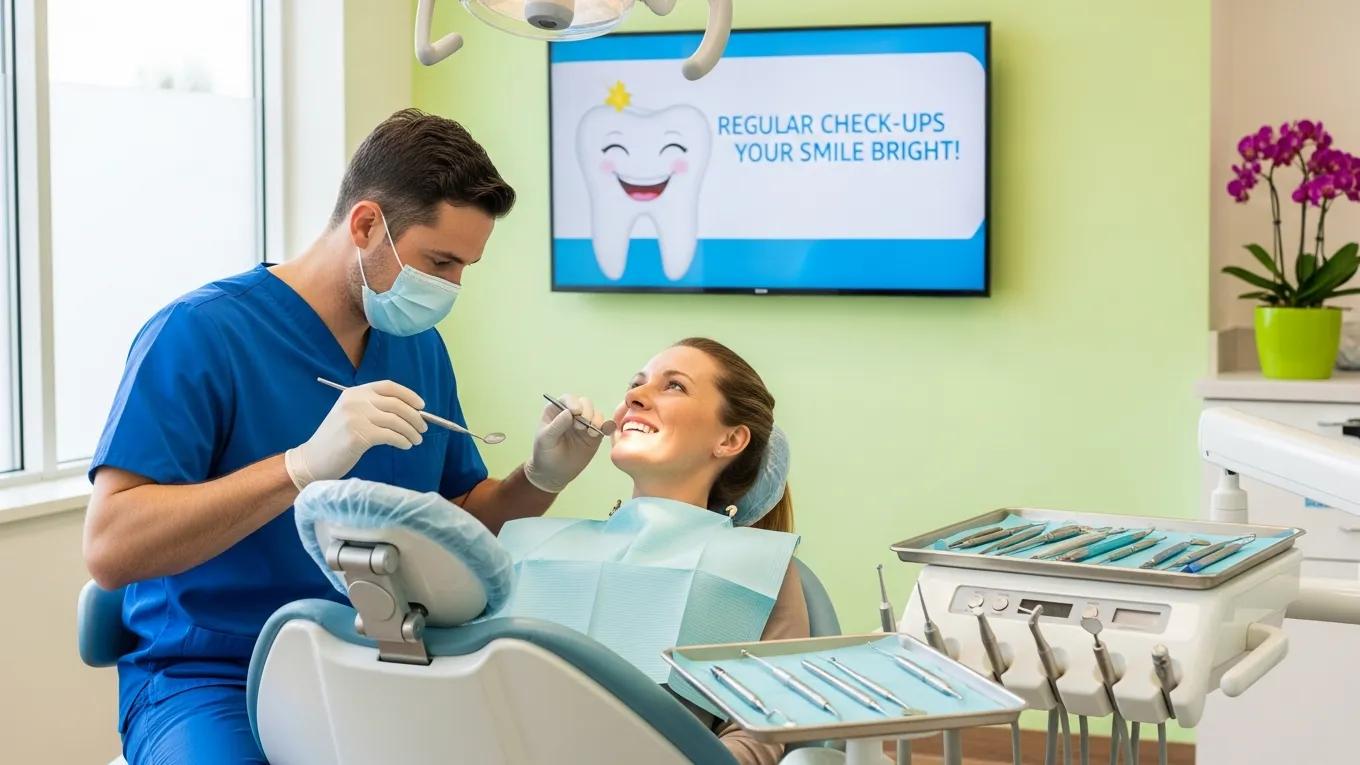
A routine exam plus cleaning gives a concise evaluation of oral health. Your visit typically begins with a medical-history review and a visual exam of teeth, gums and oral tissues. X‑rays may be taken to reveal hidden decay or bone loss. The hygienist then scales and polishes teeth to remove plaque and tartar.
Regular dental check-ups enable early intervention and are linked to improved long-term oral health outcomes, according to research.
Importance of Routine Dental Exams for Adults
Routine dental examinations are important for early diagnosis and treatment of dental problems among older adults in order to improve their quality of life and avoid costly future treatments. In Israel, a significant percentage of adults do not seek dental care.
Factors affecting oral examinations and dental treatments among older adults in Israel, S Shahrabani, 2019
Step-by-Step Dental Exam Procedure Explained
The exam starts with questions about your health and medications, then a visual inspection to check for cavities, restorations, gum inflammation or other concerns. When indicated, diagnostic X‑rays detect interproximal decay and early bone loss. Findings guide any recommended treatment or follow-up schedule.
How Professional Teeth Cleaning Removes Plaque and Prevents Gum Disease
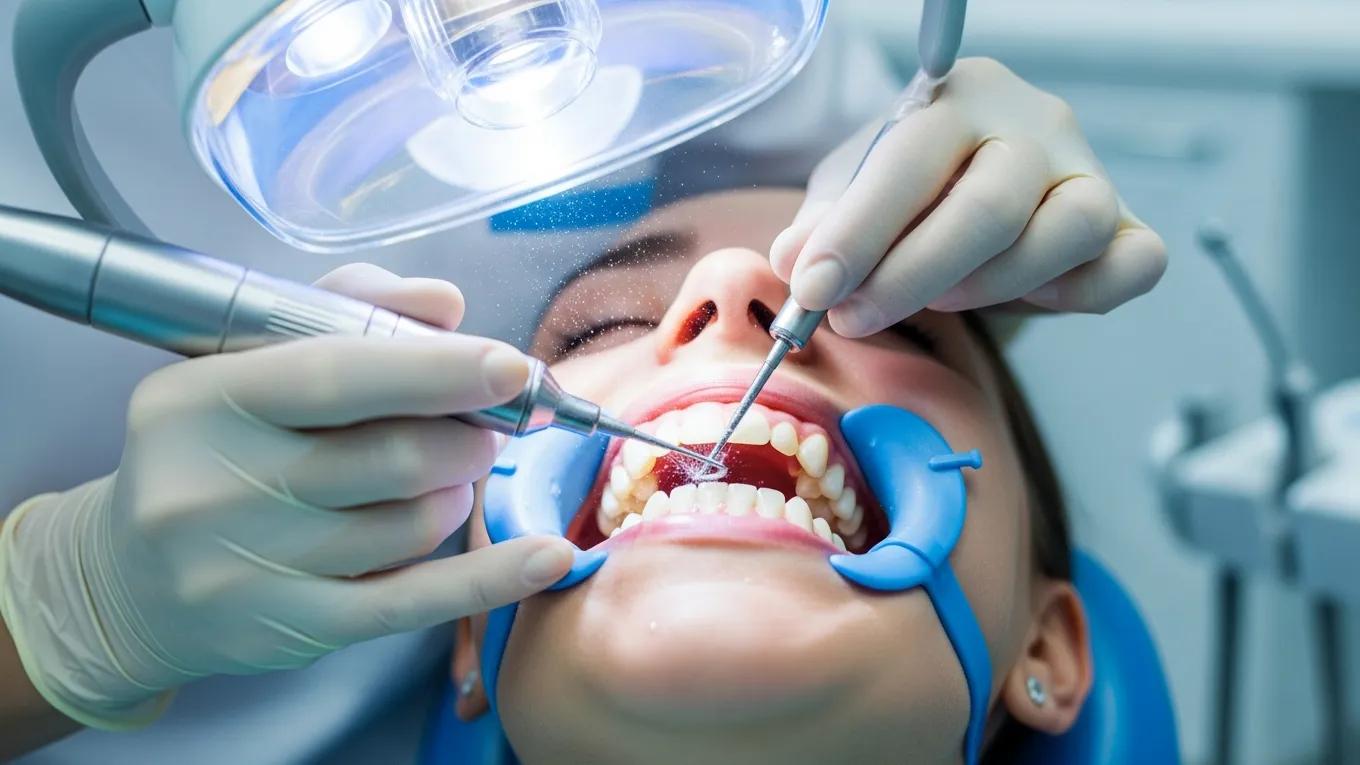
Professional cleaning (prophylaxis) uses ultrasonic scalers and hand instruments to remove plaque and calculus from tooth surfaces and beneath the gumline, then polishes enamel. Regular cleanings reduce inflammation from gingivitis and lower the risk of progression to periodontitis.
How Often Should You Schedule Teeth Cleanings and Dental Checkups?
Frequency depends on individual risk. A six‑month interval is common for many patients. People with active gum disease, high decay risk or certain medical conditions may need visits every three to four months. Your dentist will tailor a plan based on exam findings and your medical history.
Recommended Cleaning Frequency by Age and Oral Health Status
Age and health affect visit intervals; the table below summarizes typical recommendations:
The table reflects typical guidance; individual needs vary and should be set with your dentist.
Why Regular Exams Reduce Risk of Cavities and Gum Disease
Removing plaque and calculus prevents the bacteria that cause decay and gum inflammation. Early detection allows simple, conservative treatment before problems worsen. At checkups you’ll also get tailored advice on brushing, flossing and risk reduction to help maintain oral health between visits.
What Is the Typical Cost of a Dental Checkup and Professional Cleaning?
Routine checkup and cleaning fees vary by practice, location and clinician. Additional services—X‑rays, restorative work or periodontal care—raise the total. Insurance coverage, including Medicaid for eligible patients, and local fee schedules determine out‑of‑pocket cost.
Factors Influencing Dental Exam and Cleaning Prices
Common price drivers include:
- Location: Regional cost differences affect fees.
- Insurance Coverage: Many plans cover routine care, lowering expenses.
- Additional Services: Fillings, X‑rays or extra procedures add to the bill.
Insurance Coverage and Payment Options at Midwest Family Dental Care
Midwest Family Dental Care accepts a range of insurance plans, including Medicaid, and offers flexible payment options. The staff can help patients understand benefits and estimate costs so care is accessible.
How to Prepare for Your Dental Exam and Cleaning Appointment

Prepare by confirming your appointment time, bringing insurance details and a list of current medications. Arriving with this information helps the team provide efficient, patient-centred care.
What to Bring and Expect During Your Visit
Bring:
- Insurance Information: Your card and any documentation.
- List of Medications: Current prescriptions and supplements.
- Questions or Concerns: Notes about symptoms or treatment goals.
Expect a focused exam, cleaning and a brief discussion of findings and next steps.
Sedation Dentistry and Comfort Options for Anxious Patients
For anxiety, many practices offer nitrous oxide, oral sedatives or other comfort options. Discuss preferences and medical history with your dentist so an appropriate plan is arranged.
Frequently Asked Questions
What are the signs that I need to see a dentist before my scheduled checkup?
See a dentist sooner for persistent toothache, swollen or bleeding gums, sensitivity, oral sores or any unusual lumps or changes.
Can I eat or drink before my dental cleaning appointment?
You can usually eat, but avoid sticky, hard or sugary foods. Brush before morning appointments. If sedation is planned, follow fasting instructions from your dentist.
What should I do if I have dental anxiety?
Tell your dental team—many offer sedation and calming techniques. Bringing a companion, practicing breathing exercises and discussing sedation options can help.
How can I maintain my oral health between dental visits?
Brush twice daily with fluoride toothpaste, floss daily, limit sugary snacks and drinks, and follow any specific advice from your dentist.
Are there any specific dental care products recommended for sensitive teeth?
Try a sensitivity toothpaste (potassium nitrate or similar), use a soft-bristled brush and avoid abrasive whitening products. Ask your dentist for specific product recommendations.
What should I expect after a professional teeth cleaning?
You may have temporary sensitivity or mild gum tenderness. Teeth often feel smoother and brighter; any sore gums typically improve within a day or two. Follow any post-care instructions provided.
How do I choose the right dentist for my needs?
Consider qualifications, experience and patient reviews. Look for a practice that offers the services you need, such as sedation, and schedule a consultation to assess comfort and communication.
Conclusion
Regular dental exams and professional cleanings are central to preventing serious dental issues and preserving overall oral health. Early detection and routine care reduce the need for extensive treatment. Schedule appointments based on your dentist’s recommendation and use checkups to stay proactive about your oral health.