
Dental Crowns: Protecting Damaged Teeth
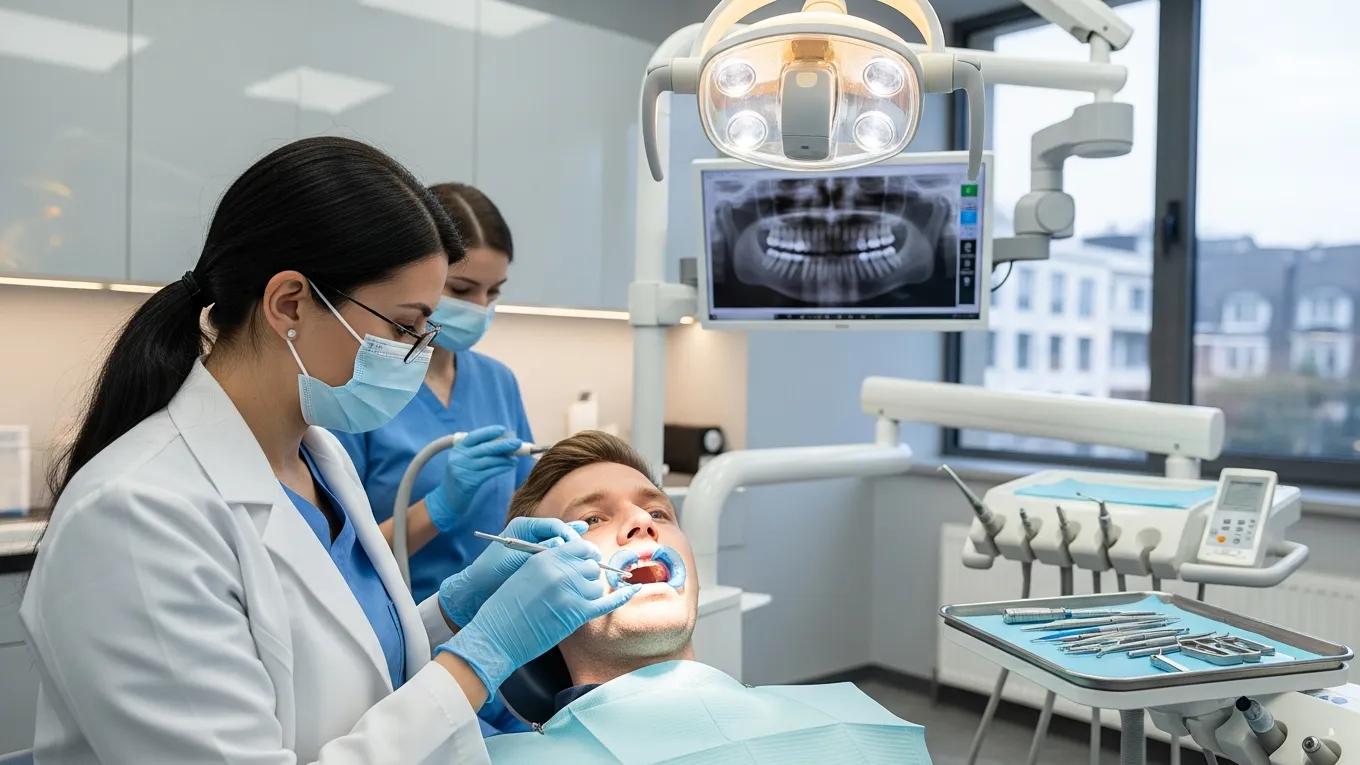
Dental Crowns: Comprehensive Guide to Protecting Damaged Teeth and Enhancing Oral Health
Dental crowns are restorative caps that protect and rebuild damaged teeth. They fully cover the tooth to restore strength and improve appearance. This guide explains common crown materials, the oral health benefits, the placement procedure, and essential aftercare. Damaged or weakened teeth can cause pain and lead to further problems; crowns provide a durable solution to restore function and aesthetics and support long-term oral health. Below, we outline crown options, their advantages, the treatment steps, and practical care advice.
Key Takeaways
- Dental crowns protect and restore damaged teeth by encasing them to improve strength and appearance.
- Common crown materials include porcelain, ceramic, metal, and zirconia, each with unique benefits.
- Porcelain and ceramic crowns offer natural aesthetics, ideal for front teeth and patients with metal allergies.
- Metal and zirconia crowns provide durability and strength, suitable for back teeth requiring heavy chewing.
- Dental crowns restore chewing function, protect teeth from further damage, and enhance overall oral health.
- The crown placement procedure involves tooth preparation, impressions, temporary crown fitting, and final crown placement.
- Proper aftercare includes regular brushing, flossing, avoiding hard foods, and scheduling dental check-ups.
- Following aftercare guidelines helps maintain crown longevity and prevents complications like decay or discomfort.
Comprehensive Guide on Dental Crowns
Crowns are a cornerstone of restorative dentistry. They are commonly placed after root canal treatment, to support teeth with large restorations, or to improve a tooth’s appearance. Materials include porcelain, ceramic, metal, and zirconia, each with specific strengths. Understanding how crowns are used helps you make an informed choice about your dental care.
Types of Crowns Available
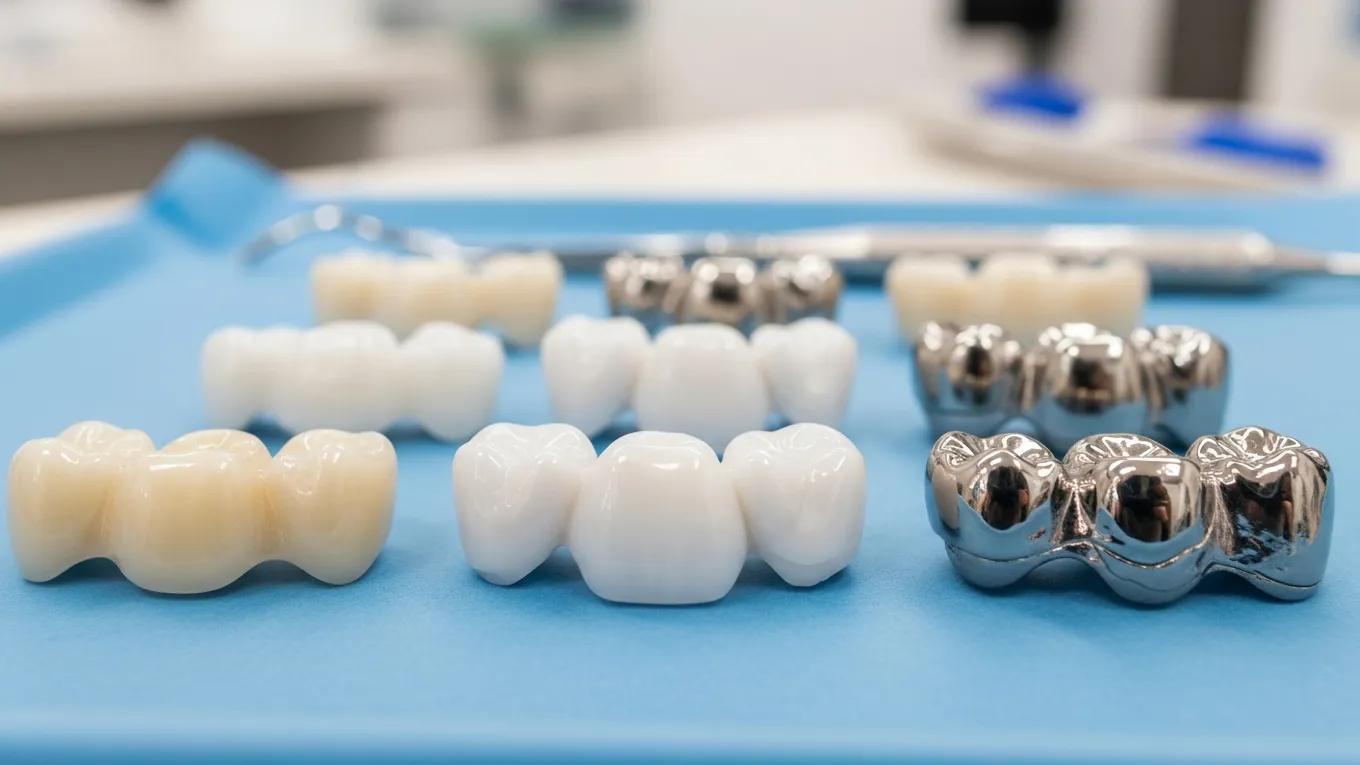
There are several types of dental crowns available, each suited for different needs and preferences. The most common types include:
- Porcelain Crowns: These crowns are known for their aesthetic appeal, closely resembling natural teeth. They are ideal for front teeth where appearance is crucial.
- Ceramic Crowns: Similar to porcelain, ceramic crowns provide a natural look and are often used for patients with metal allergies.
- Metal Crowns: Made from alloys, these crowns are highly durable and suitable for back teeth where strength is essential.
- Zirconia Crowns: These crowns combine the strength of metal with the aesthetics of porcelain, making them a popular choice for many patients.
Each material offers specific advantages. Your dentist will recommend the best option based on the tooth’s location and any allergy concerns.
Benefits for Oral Health
Dental crowns deliver several direct benefits for oral health. Key advantages include:
- Protection of Damaged Teeth: Crowns shield weakened or damaged teeth from further decay and fractures.
- Restoration of Function: They restore the ability to chew and speak properly, enhancing daily activities.
- Aesthetic Improvement: Crowns can significantly improve the appearance of discolored or misshapen teeth, boosting confidence.
- Longevity: With proper care, dental crowns can last many years, making them a cost-effective solution for tooth restoration.
If you are considering dental crowns, Midwest Family Dental Care offers consultations to review options and determine the best course of treatment for your needs.
Procedure for Placement
The dental crown placement procedure typically involves several steps:
- Preparation of the Tooth: The dentist will reshape the affected tooth to ensure a proper fit for the crown.
- Taking Impressions: Accurate impressions of the tooth are taken to create a custom crown.
- Placement of Temporary Crown: A temporary crown may be placed while the permanent one is being fabricated.
- Final Placement of the Crown: Once ready, the permanent crown is securely placed on the tooth.
These steps help ensure a precise fit, a comfortable bite, and reliable function.
Aftercare Tips

Proper care is important to preserve crown function and lifespan. Essential aftercare tips include:
- Oral Hygiene Practices: Regular brushing and flossing are vital to prevent decay around the crown.
- Dietary Considerations: Avoid hard or sticky foods that could damage the crown.
- Regular Dental Check-Ups: Schedule routine visits to monitor the condition of the crown and surrounding teeth.
- Pain Management: If discomfort occurs, consult your dentist for appropriate pain relief options.
Following these care steps helps protect the crown, reduce the risk of complications, and extend its service life.
Frequently Asked Questions
What is the average lifespan of a dental crown?
Crown lifespan depends on the material and your oral hygiene. Porcelain and ceramic crowns commonly last 5 to 15 years. Metal and zirconia crowns can last longer, often 20 years or more. Routine dental exams and good home care can significantly extend a crown’s life. Follow your dentist’s maintenance recommendations to maximize longevity.
Are there any risks associated with getting a dental crown?
Crowns are generally safe, but potential risks include sensitivity to hot or cold, temporary discomfort as you adjust, and the possibility of a crown becoming loose or dislodged. In rare cases, an allergic reaction to crown materials can occur. Discuss any concerns with your dentist so they can explain how to minimise risks.
How do I know if I need a dental crown?
Signs that a crown may be needed include a tooth that is severely decayed, cracked, or weakened by a large filling. A crown is also commonly recommended after root canal treatment to protect the treated tooth. If you have persistent pain or sensitivity in a tooth, see your dentist for an evaluation to determine whether a crown is appropriate.
Can dental crowns be whitened or adjusted in color?
Crowns—especially porcelain or ceramic—cannot be whitened like natural teeth. To change the shade of an existing crown, replacement with a new crown matched to your desired colour is necessary. Discuss whitening plans with your dentist before treating natural teeth to achieve a uniform appearance.
What should I do if my dental crown feels loose?
If your crown feels loose, contact your dentist promptly. A loose crown can allow decay or damage to the underlying tooth. Your dentist may re-cement or replace the crown as needed. Avoid chewing on that side until you can be seen.
Are there alternatives to dental crowns?
There are alternatives depending on the problem. Minor damage can sometimes be repaired with dental bonding. Less severe decay may be treated with a filling. Veneers are an option for cosmetic improvements on front teeth. Your dentist will recommend the most suitable treatment for your situation.
Conclusion
Dental crowns are an effective way to protect and restore teeth while improving function and appearance. Understanding the types, benefits, and proper care of crowns helps you make informed decisions that support your oral health. If you are considering a crown, consult a dental professional to identify the best option for your needs. Take the first step toward a healthier smile by scheduling a consultation today.