
Oral Cancer Screenings and Early Detection
Oral Cancer Screenings and Early Detection: Comprehensive Guide to Symptoms, Risks, and Screening Benefits
Oral cancer can profoundly affect quality of life, but regular screening and early detection expand treatment options and improve outcomes. This guide summarises why screenings matter, the symptoms and risks to watch for, and the practical benefits of early diagnosis so you can take proactive steps for your oral health.
Key Takeaways
- Screenings find cancerous or precancerous changes early, improving treatment success and survival.
- Watch for persistent sores, unexplained lumps, voice changes, and difficulty swallowing.
- Tobacco, heavy alcohol use, and certain HPV strains are major risk factors.
- Early detection usually means less extensive treatment and better quality of life.
- Exams are visual and tactile and may use adjunctive technologies for greater accuracy.
- Self-checks plus professional screenings help catch problems before they advance.
- Any symptom lasting more than two weeks warrants prompt evaluation.
- Many dental plans cover oral cancer screening as part of preventive care.
- Know your risks and keep a regular screening schedule based on your profile.
Guide on Oral Cancer Screenings and Early Detection
Oral cancer screening is a preventive exam to identify suspicious tissue in the lips, mouth, tongue and throat. When detected early, a greater range of effective treatments is available and long-term outcomes improve. Regular screenings and self-exams increase the chance of catching changes at an early, treatable stage.
Oral Cancer: Global Impact, Early Detection, and Screening Benefits
Oral cancer, including Malignant neoplasms of lip, oral cavity and pharynx (C00-C16), makes up around 3% of all cancer cases worldwide, with over 3.5 million new diagnoses annually and substantial mortality and morbidity (WHO, 2022). This risk increases with age, particularly affecting people over the age of 50. When discovered in its early stages, oral cancer has a favourable prognosis, leading to higher survival rates and quality of life. However, in the early stages, there are frequently no visible signs, or the signs mimic benign illnesses, thus preventing prompt medical attention (Warnakulasuriya and Kerr, 2021). While advances in treatment have increased survival rates, early detection remains crucial for improving outcomes and lowering the impact of oral cancer on patients’ health and well-being. The goal of oral cancer screening is to identify apparently healthy individuals with atypical oral findings.
Revolutionizing oral cancer screening: new approaches and emerging technologies, A Mathur, 2023
Overview:
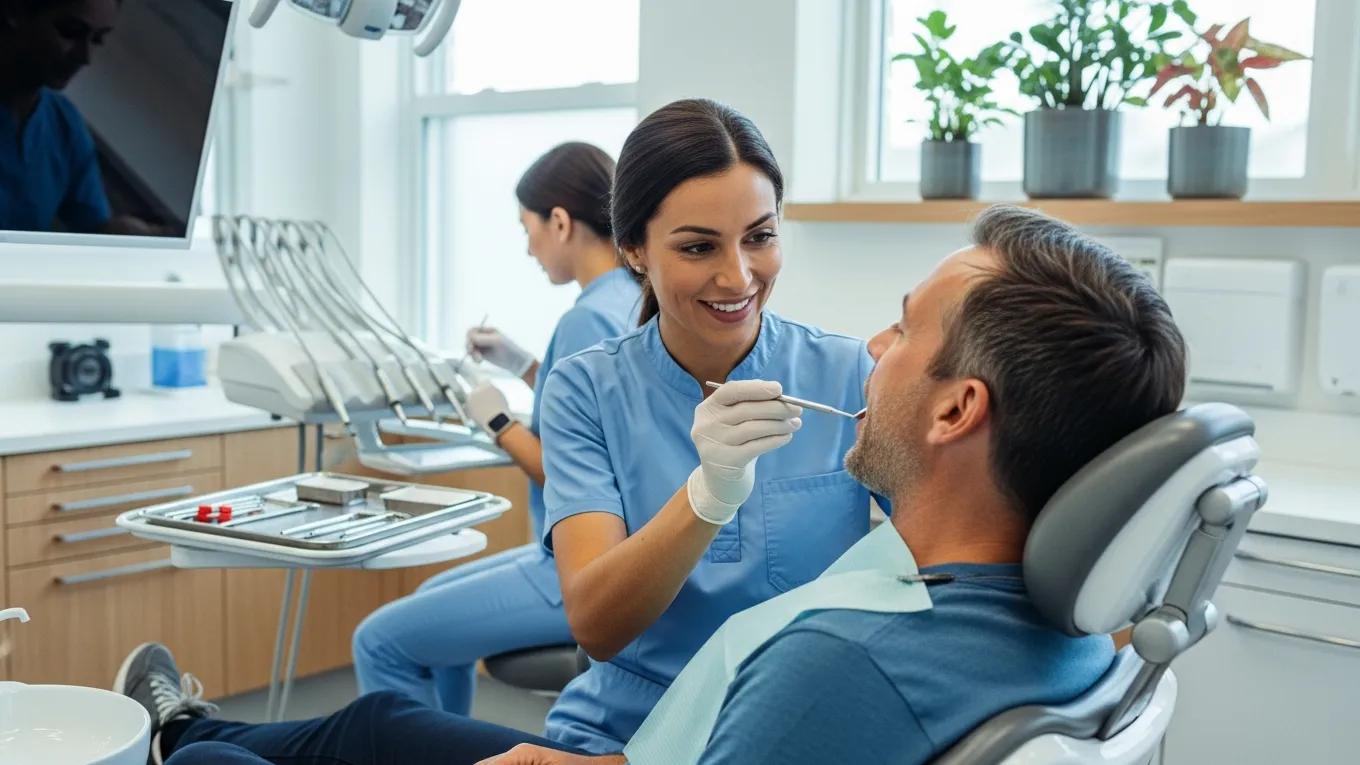
A typical screening begins with a visual and tactile inspection of the oral cavity and adjacent tissues. If clinicians find suspicious areas they may use imaging, fluorescence tools, or biopsy to investigate further. Understanding the exam helps you participate in your care and follow up when needed.
Oral Cancer Screening: Effectiveness and Global Health Impact
Oral cancer is an important global healthcare problem, its incidence is increasing and late‐stage presentation is common. Screening programmes have been introduced for a number of major cancers and have proved effective in their early detection. Given the high morbidity and mortality rates associated with oral cancer, there is a need to determine the effectiveness of a screening programme for this disease, either as a targeted, opportunistic or population‐based measure. Evidence exists from modelled data that a visual oral examination of high‐risk individuals may be a cost‐effective screening strategy and the development and use of adjunctive aids and biomarkers is becoming increasingly common.
Screening programmes for the early detection and prevention of oral cancer, P Brocklehurst, 2013
Symptoms of Oral Cancer:
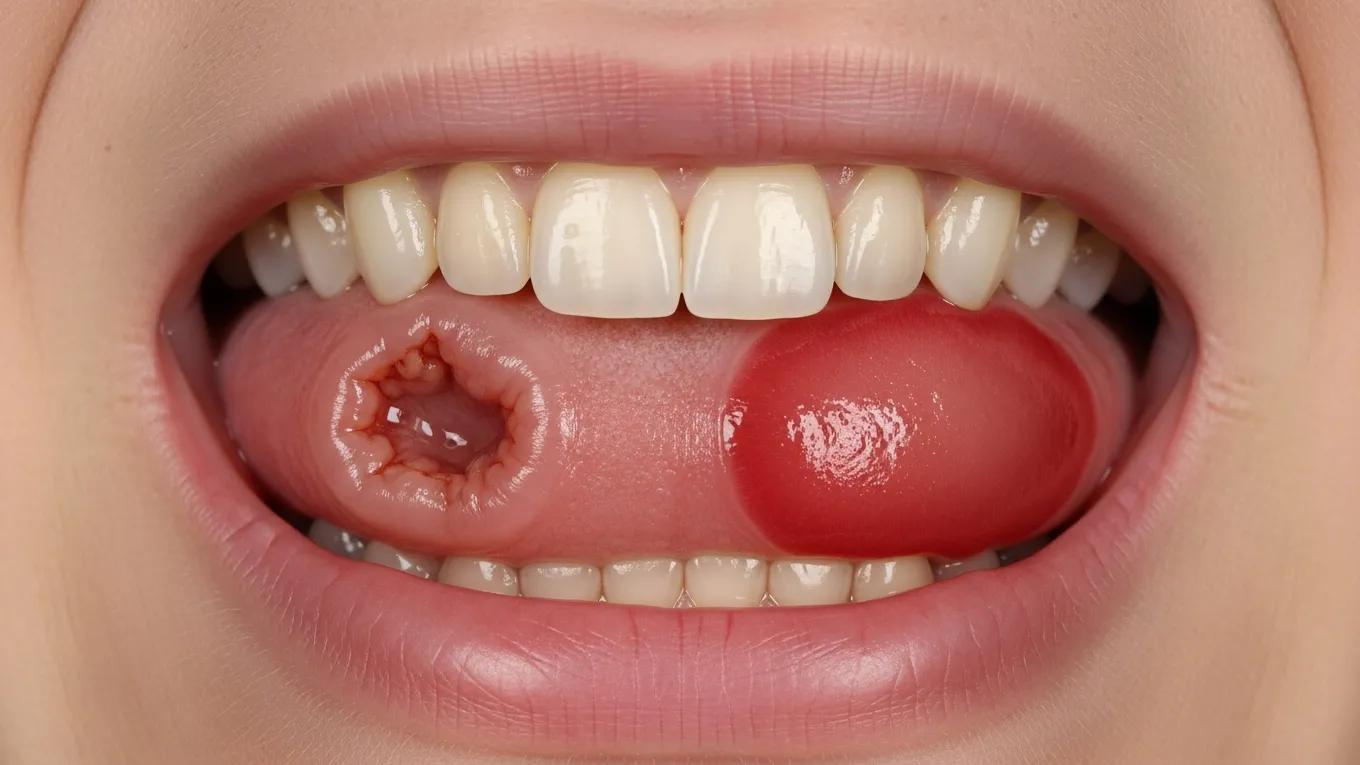
Recognising symptoms and seeking assessment quickly improves outcomes. Key warning signs are listed below; any persistent change should prompt a dental evaluation.
- Unusual lumps or sores: Non-healing lumps/ulcers may indicate cancer.
- Sores lasting more than two weeks: Persistent lesions need assessment and possible biopsy.
- Changes in voice or speech: New hoarseness or speech changes warrant review.
How to Recognize Common Oral Cancer Symptoms
Do regular self-exams: use a mirror to inspect lips, cheeks, tongue and floor of mouth for lumps, discolouration, or texture changes. Note anything new or lasting and report it to your dentist.
Which Symptoms Require Immediate Dental Evaluation?
Seek urgent care for severe unexplained mouth pain, persistent difficulty swallowing or chewing, or numbness in the mouth or lips—these signs may indicate advanced disease or nerve involvement.
- Severe mouth pain: Unexplained, persistent pain should be evaluated promptly.
- Difficulty swallowing or chewing: May reflect more advanced lesions.
- Numbness of mouth or lips: Could signal nerve involvement and needs assessment.
Oral Cancer: Importance of Early Symptom Recognition
The majority did not at first think their symptom was serious; none thought their presenting symptoms were associated with cancer.
Future oral cancer public awareness campaigns should highlight that if a symptom persists beyond two weeks it needs a professional opinion.
The experiences of young oral cancer patients in Scotland: symptom recognition and delays in seeking professional help, L Bauld, 2010
Associated Risks:
Awareness of risk factors guides prevention and screening frequency. Major contributors include tobacco, heavy alcohol use, and infection with oncogenic HPV strains.
- Tobacco use: Smoking and smokeless tobacco greatly increase risk.
- Excessive alcohol: Heavy drinking is a significant contributor when combined with tobacco.
- HPV infection: Certain HPV types are linked to oropharyngeal cancers.
Benefits of Early Detection Screening:

Early detection typically reduces treatment extent, improves survival chances, and preserves function and quality of life. Screenings are quick, generally painless, and fit into routine dental care.
- Improved outcomes: Earlier-stage detection allows more effective, less invasive treatment.
- Fast, simple exam: Most screenings are brief and noninvasive.
- Proactive care: Regular checks help catch changes before they progress.
Routine screening is commonly included in comprehensive dental care; check your insurance and discuss frequency with your provider.
What Are the Early Signs and Symptoms of Oral Cancer?
Early indicators can include white or red patches, persistent bad breath, and subtle texture changes in the oral mucosa. These should prompt evaluation, especially if persistent.
- White or red patches: May represent precancerous changes.
- Chronic bad breath: Persistent halitosis can accompany oral disease.
- Texture changes: Any thickening or rough areas that are new or persistent.
How Long Does It Take to Notice Symptoms?
Symptoms often develop slowly and may be overlooked. Regular professional exams and self-checks increase the chance of early detection when treatment is most effective.
Who Is at Risk? Understanding Oral Cancer Risk Factors
Risk assessment helps set an appropriate screening schedule. Share your lifestyle, environmental exposures and family history with your dental team so they can tailor follow-up.
- Lifestyle: Smoking, heavy alcohol use, poor diet and oral hygiene increase risk.
- Environmental: Exposure to certain industrial chemicals can be contributory.
- Family history: A history of cancer can indicate higher susceptibility.
What Lifestyle and Environmental Factors Increase Oral Cancer Risk?
Tobacco and heavy alcohol use are primary modifiable risks; occupational or environmental exposures can add risk. Healthier choices and reduced exposures lower overall risk.
How Does Family History Influence Oral Cancer Susceptibility?
A family history may suggest genetic vulnerability. Inform your dentist so they can recommend a personalised screening plan and monitoring frequency.
How Is Oral Cancer Detected? Screening Procedures Explained
Detection combines a focused visual and tactile exam with adjunctive tools when indicated. Clinicians may use imaging, fluorescence aids, or biopsy to investigate suspicious lesions; regular screening raises the likelihood of early identification.
What to Expect During an Oral Cancer Screening Exam
An exam covers lips, tongue, floor of mouth, cheeks and throat, checking for lumps, sores, colour or texture changes. Your clinician will review your medical history and symptoms to complete the assessment.
How Advanced Technology Enhances Early Detection Accuracy
Digital imaging, fluorescence visualization and other adjunctive devices can reveal abnormalities not easily seen on a standard exam. These tools support clinicians in detecting disease at earlier stages.
What Are the Benefits and Costs of Oral Cancer Screening?
Early screening enables earlier treatment and better outcomes. Costs vary by provider and location; many insurance plans cover preventive screenings. Verify coverage with your insurer and dental office.
Why Regular Screenings Improve Oral Health Outcomes
Routine exams catch tissue changes before they progress, enabling earlier, often simpler interventions and better long-term results.
How Much Does Oral Cancer Screening Typically Cost?
Fees vary by practice and region; preventive screenings are often covered by dental insurance. Contact your dental office or insurer for specific coverage and any out-of-pocket costs.
Frequently Asked Questions
What should I do if I notice symptoms of oral cancer?
Arrange a prompt dental evaluation for persistent sores, lumps or voice changes — early assessment expands treatment options.
How often should I get screened for oral cancer?
Most adults benefit from annual screening; higher-risk individuals may need more frequent checks—discuss a personalised plan with your dentist.
Are there any specific populations that should prioritize oral cancer screenings?
People over 50, tobacco users, heavy drinkers, those with HPV history, or a family cancer history should prioritise screening and closer monitoring.
What advancements are being made in oral cancer screening technology?
Adjunctive aids such as digital imaging and fluorescence visualization improve detection of lesions that are hard to see during a routine exam.
Can lifestyle changes reduce the risk of oral cancer?
Yes. Quitting tobacco, reducing alcohol, improving oral hygiene and eating a balanced diet lower risk; regular dental care also helps.
What role does patient education play in oral cancer prevention?
Education empowers symptom recognition, risk understanding, and timely care-seeking, which together support prevention and earlier diagnosis.
How can I prepare for my oral cancer screening appointment?
Bring a list of symptoms, medical history and medications. Follow any provider guidance about eating or drinking before the exam to ensure a clear evaluation.
Conclusion
Regular oral cancer screenings are a key safeguard for early detection and better treatment outcomes. Know the symptoms and risk factors, maintain routine exams, and seek prompt evaluation for any persistent oral changes to protect your oral health and wellbeing.