
Toothache: Causes, Home Remedies, and When to Seek Care

Effective Toothache Relief: Causes, Home Remedies, and When to Seek Emergency Dental Care
Toothaches are often a sign of an underlying dental issue that needs evaluation. This guide covers common causes of tooth pain, safe home measures to ease symptoms, and clear signs that require urgent dental care. It also summarizes how Midwest Family Dental Care supports urgent dental needs in Michigan and Indiana.
Key Takeaways
- Toothaches most often stem from tooth decay, abscesses, or gum disease and need timely diagnosis.
- Decay erodes enamel, causing cavities, sensitivity, and pain if untreated.
- Abscesses cause severe pain and swelling and often require drainage and antibiotics.
- Cold compresses and saltwater rinses give useful short-term relief.
- OTC pain relievers (especially ibuprofen) reduce pain and inflammation.
- Seek urgent care for severe pain, facial swelling, fever, or visible pus.
- Definitive care may include root canal therapy or extraction.
- Antibiotics treat bacterial dental infections and help prevent spread.
- Midwest Family Dental Care offers urgent services across Michigan and Indiana.
What Are the Common Causes of Tooth Pain?
Tooth pain may come from caries (tooth decay), dental abscesses, or periodontal disease. Early recognition helps direct appropriate treatment and lowers the chance of complications.
How Do Tooth Decay and Cavities Lead to Toothache?
Decay starts when oral bacteria produce acids that demineralize enamel and form cavities. If decay reaches dentin or the pulp it can cause sharp or throbbing pain, sensitivity to hot or cold, and pain on biting. Timely restorative care can avoid more invasive treatments.
Studies show dental decay can substantially reduce quality of life, affecting eating, speech, and causing significant pain.
Impact of Dental Decay on Quality of Life and Pain
Dental decay has a high incidence in children in our country and progress in decay prevention, diagnosis and treatment is not reflected in children and adolescents’ oral health. It is established by studies conducted by dentists and psychologists that dental decay can affect the quality of life by engendering specific eating behaviors, particular ways of speech or smile and unfortunately pain.
Modern management of dental decay in children and adolescents-a review, A Muntean, 2015
What Role Do Dental Abscesses and Infections Play in Tooth Pain?
Dental abscesses are localized bacterial infections at a tooth root or in periodontal tissue, usually arising from untreated decay or advanced gum disease. They cause persistent severe pain, localized swelling, and sometimes fever. Treatment commonly requires drainage and antibiotics to control infection and prevent spread.
These infections can originate from pulp necrosis, periodontal disease, trauma, or postoperative complications and require targeted dental care.
Causes of Odontogenic Infections and Dental Abscess Types
Odontogenic infections can result from several conditions, such as pulp necrosis, periodontal disease, pericoronitis, trauma, or surgery. The three types of odontogenic or dental abscesses are endodontal or periapical, periodontal, and pericoronal, depending on where the infection first developed. Periodontal abscesses, which are particularly common in people with untreated periodontal disease and in periodontal patients during maintenance, are the third most frequent dental emergency. Dental abscess literature review on diagnosis and management of dental abscess, 2022
Which Home Remedies Provide Safe and Effective Tooth Pain Relief?

Simple at-home steps can reduce pain temporarily while you arrange dental care. They ease symptoms but do not replace a clinical exam and definitive treatment.
How to Use Cold Compresses and Saltwater Rinses for Toothache Relief
Apply a cold pack to the cheek for 15–20 minutes to numb the area and limit swelling. For a saline rinse, dissolve half a teaspoon of salt in a glass of warm water, swish for 30 seconds, then spit. These measures help cleanse the area and reduce inflammation briefly.
What Over-the-Counter Painkillers Are Recommended for Tooth Pain?
OTC analgesics such as ibuprofen or acetaminophen relieve pain; ibuprofen also reduces inflammation and is often more effective for dental pain. Follow dosing directions and contact your dentist or physician if pain persists.
Effective dental pain control often depends on limiting the inflammatory response that activates pain mediators in oral tissues.
Pain Management in Dentistry: Understanding Inflammatory Response
Pain management in dentistry can be a real challenge. The key to managing pain lies in understanding whether what you do to patients will or will not create an inflammatory response, which is what activates the pain-producing mediators in tissue. Generally, procedures on hard tooth structure that do not involve the pulp create little or no inflammatory response, but, when soft tissues are traumatised, a pain response can be expected (1).
Pain management for dentists: the role of ibuprofen, A Pozzi, 2012
When Should You Seek Emergency or Urgent Dental Care for Toothache?
Certain signs require prompt dental attention to avoid complications.
What Are the Warning Signs Indicating the Need for Immediate Dental Attention?
Seek emergency care if severe pain does not respond to OTC medication, or if you have facial or gum swelling, fever, visible pus, or an obvious abscess. These indicate an active infection or complication needing prompt treatment.
How Can Midwest Family Dental Care Assist with Urgent Dental Services in Michigan and Indiana?
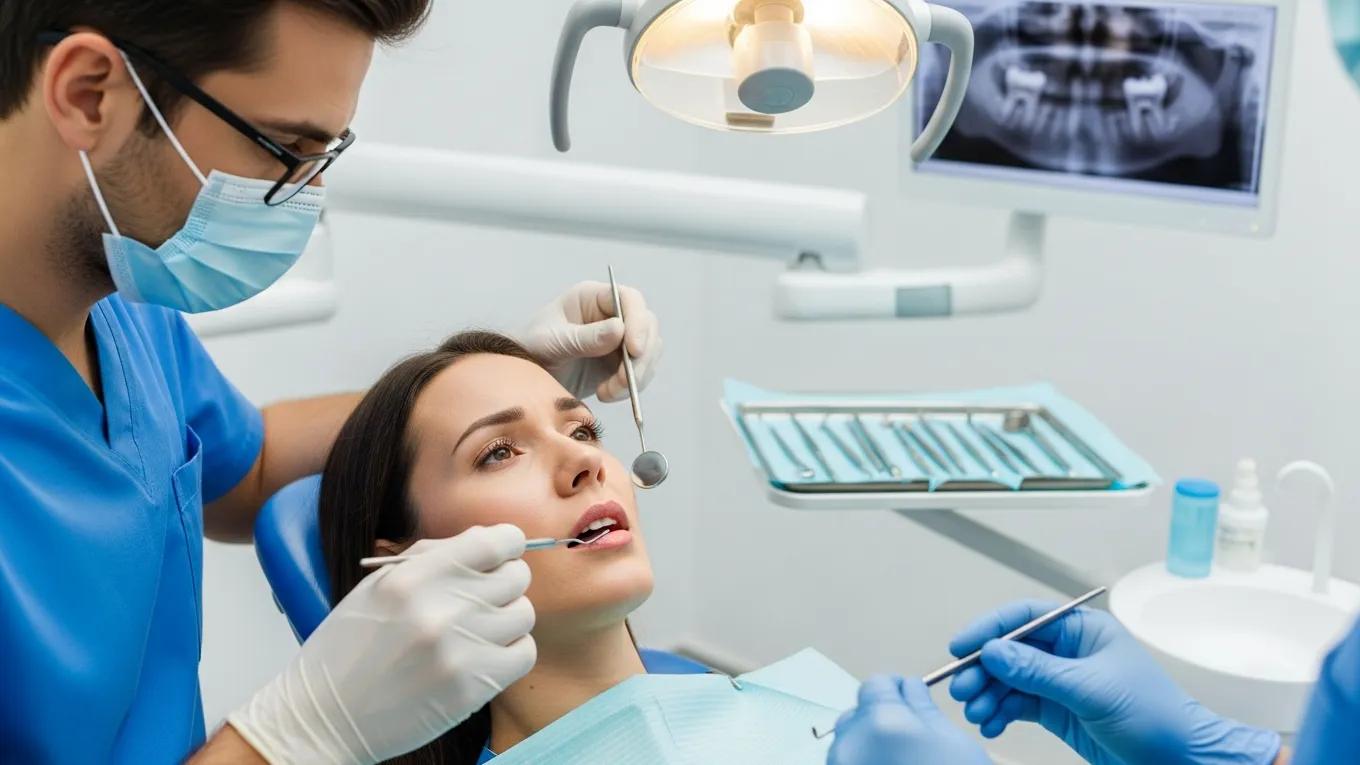
Midwest Family Dental Care offers urgent dental appointments across Michigan and Indiana for toothaches, abscesses, and related emergencies. Teams evaluate pain, provide immediate symptom relief, and recommend definitive treatment to restore oral health.
What Professional Treatments Are Available for Persistent Tooth Pain?
Persistent tooth pain often requires dental procedures to resolve the underlying cause. Knowing options helps patients decide with their provider.
How Do Root Canal Therapy and Tooth Extraction Address Severe Toothache?
Root canal therapy removes infected pulp, cleans and seals the canals to stop infection while preserving the tooth when feasible. If the tooth cannot be saved, extraction removes the source of pain and infection.
When Are Antibiotics Prescribed for Dental Infections?
Antibiotics are used when a bacterial infection is present (for example, an abscess). They help control infection and limit spread; complete the prescribed course as directed.
Frequently Asked Questions
What are the long-term effects of untreated toothaches?
Untreated toothaches can lead to worsening infection, abscesses, systemic complications in severe cases, chronic pain, and eventual tooth loss or more invasive treatment.
Can lifestyle changes help prevent toothaches?
Yes. Brushing twice daily, daily flossing, regular dental check-ups, limiting sugary foods, avoiding tobacco, and eating a balanced diet support oral health.
Are there any specific foods to avoid if I have a toothache?
Avoid sugary, acidic, or hard foods that worsen sensitivity or risk damaging a compromised tooth. Choose soft options like yogurt, mashed potatoes, or smoothies until you see a dentist.
How can I manage tooth pain while waiting for a dental appointment?
Use OTC analgesics (ibuprofen or acetaminophen), apply a cold compress to reduce swelling, and rinse with warm saltwater. These provide temporary relief but are not substitutes for professional care.
What should I expect during a dental emergency visit?
Expect a focused exam, typically including dental X-rays, to identify the cause. Your dentist will provide immediate pain control and recommend definitive treatment such as drainage, medication, or procedures, plus follow-up instructions.
How can I differentiate between a toothache and other types of dental pain?
Toothache is usually sharp or throbbing and localized to one tooth, often with temperature or pressure sensitivity. Jaw or sinus pain is more diffuse. Swelling, fever, or visible abscesses warrant prompt dental assessment.
Conclusion
Recognizing common causes of toothache, using safe temporary remedies, and knowing when to seek urgent care helps protect your oral health. Arrange professional assessment for definitive treatment. Residents of Michigan and Indiana can contact Midwest Family Dental Care for urgent dental assistance.