
Dental Bonding: Quick Cosmetic Fixes
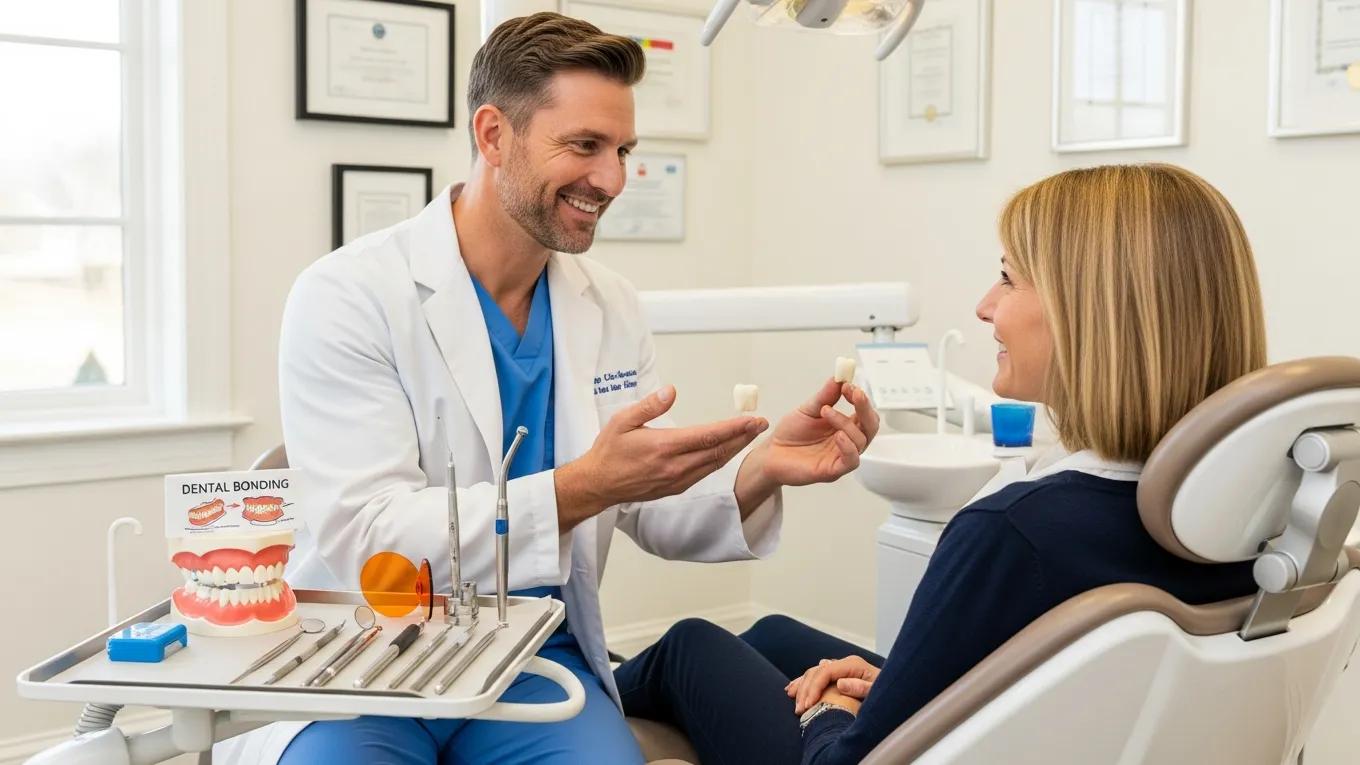
Dental Bonding: Quick Cosmetic Fixes with Composite Resin for Restoring Your Smile
Dental bonding applies tooth‑colored composite resin to correct chips, cracks, gaps and surface stains. It is a fast, minimally invasive cosmetic option often completed in a single visit. This article outlines the benefits, clinical steps, expected outcomes, cost considerations and practical aftercare to help you decide if bonding suits your smile goals and how Midwest Family Dental Care can assist.
Key Takeaways
- Composite resin repairs chips, cracks, gaps and discoloration.
- Procedure usually takes one visit and requires minimal tooth alteration.
- Resin is color‑matched and shaped to blend with adjacent teeth.
- Typically more affordable than veneers or crowns (commonly $300–$700 per tooth).
- Proper preparation (cleaning and etching) ensures strong adhesion.
- Avoid hard foods and keep good oral hygiene to prolong results.
- Regular check‑ups help maintain bonded restorations.
- Bonding can complement veneers and whitening.
- Midwest Family Dental Care offers bonding in Michigan and Indiana.
Benefits of Dental Bonding
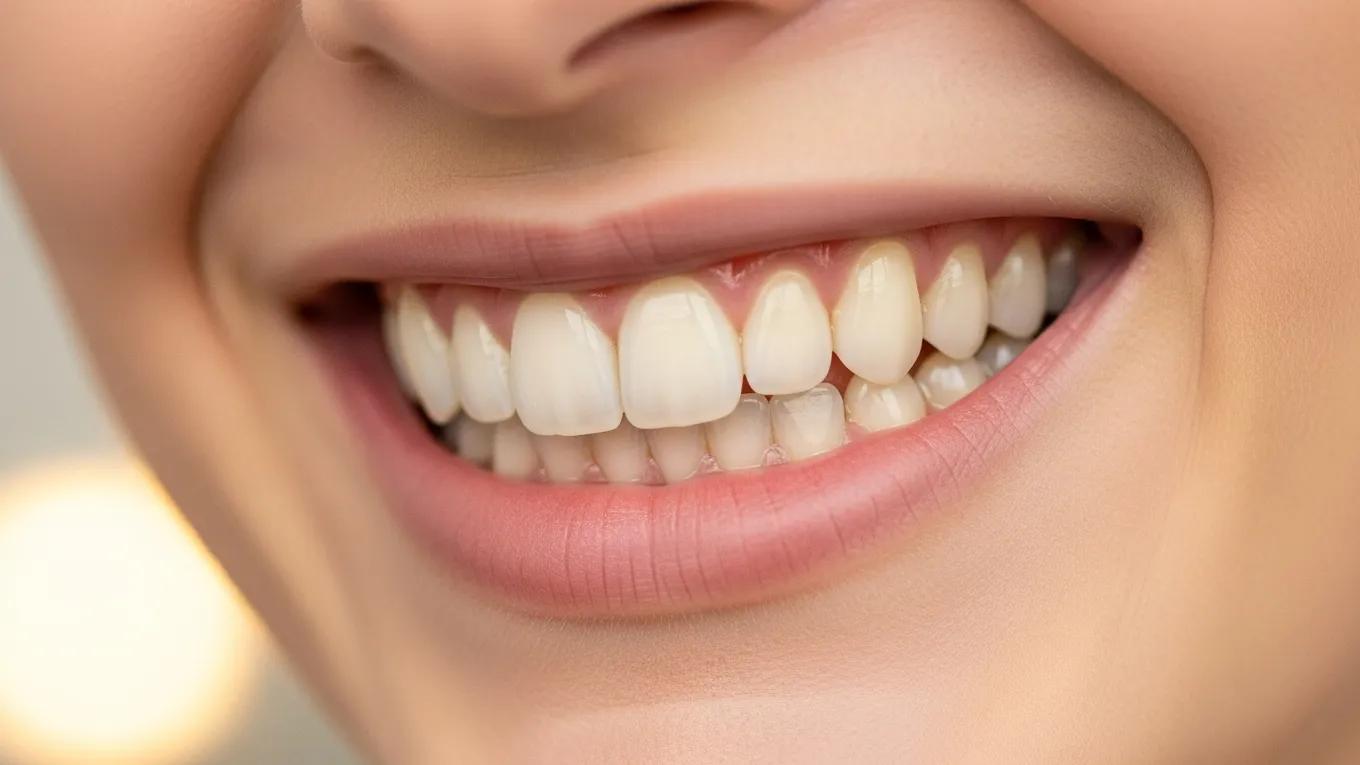
Bonding reliably improves appearance with minimal invasiveness and predictable results.
- Aesthetic improvement: Corrects common surface and shape issues for a natural look.
- Quick procedure: Often completed in a single appointment.
- Cost-effective: Lower cost than veneers or crowns for minor cosmetic fixes.
Clinicians at Midwest Family Dental Care focus on conservative, patient-centered cosmetic care.
The Procedure Involved
Bonding follows a straightforward workflow to maximise adhesion and appearance.
- Consultation: Assess teeth, discuss goals and confirm bonding is suitable.
- Preparation: Clean and etch the tooth surface for better resin adherence.
- Application: Layered resin is shaped and light‑cured, then polished to match surrounding teeth.
The process is efficient and commonly produces noticeable improvement in one visit.
Potential Outcomes
Bonding restores tooth form and surface appearance to produce natural, confidence‑boosting results.
- Natural appearance: Color‑matched resin blends with adjacent teeth.
- Improved confidence: Masks visible defects that affect smile aesthetics.
- Reasonable longevity: With care, bonded restorations can last several years.
Understanding realistic outcomes helps set expectations before treatment.
What Is Dental Bonding and How Does It Improve Your Smile?
Dental bonding uses tooth‑colored composite resin applied directly to the tooth, sculpted to restore shape, then light‑cured. It preserves tooth structure while repairing or reshaping visible surfaces.
How Does Composite Resin Restore Tooth Appearance?
Composite mimics natural tooth color and texture. Dentists place it in layers, sculpt each layer to match contours and shade, and polish the final restoration for a seamless result.
For more detailed information on composite materials and cosmetic dentistry developments, see the research below.
Innovations and Advancements in Cosmetic Dental Bonding
Cosmetic dentistry aims to improve the appearance of teeth, gums and bite through a multidisciplinary approach involving restorative techniques, periodontics, orthodontics and surgery. Recent innovations include digital imaging, improved composite formulations, and advances in orthodontic systems and treatment planning. Noted developments span teeth whitening, veneers, implants, bonding and gum contouring. These changes are expected to improve clinical outcomes, patient satisfaction and access to cosmetic care. Keywords: Cosmetic dentistry, orthodontics, dental implants, composite bonding
Recent advances in cosmetic dentistry: A review, 2025
Which Cosmetic Dental Procedures Does Bonding Complement?
Bonding is often combined with other treatments to refine smile outcomes:
- Veneers: Bonding can correct small irregularities before veneer placement.
- Teeth whitening: Bonding addresses residual discoloration for a uniform shade.
Used appropriately, these combinations deliver more complete cosmetic improvements.
What Are the Steps Involved in the Teeth Bonding Procedure?
Knowing the steps reduces uncertainty and clarifies expectations.
- Preparation: Teeth are cleaned and etched to promote a strong bond.
- Application: Resin is applied, shaped and cured with a light; final polishing ensures natural texture.
Treatments are designed to be efficient and consistent.
How Is the Tooth Prepared for Composite Resin Application?
Good preparation supports durability:
- Cleaning: Removes debris and plaque.
- Etching: Creates a textured surface for adhesive bonding.
These steps help the resin adhere and support a long‑lasting repair.
What Happens During the Resin Application and Curing Process?
The clinician sculpts composite to match the tooth’s contours and shade before curing and finishing.
- Application: Resin is molded into the desired shape.
- Curing: A special light hardens the material; final polishing ensures durability and aesthetics.
Accurate shaping and proper curing are essential for functional, attractive results.
How Affordable and Accessible Is Dental Bonding at Midwest Family Dental Care?
Bonding offers visible improvement without the higher cost of more extensive restorations.
- Cost range: Commonly $300–$700 per tooth, depending on complexity.
- Insurance: Coverage varies; check with your provider for specifics.
Midwest Family Dental Care provides bonding at multiple Michigan and Indiana locations for local convenience.
What Is the Typical Cost Range and Insurance Coverage for Bonding?
Costs depend on case complexity, the number of teeth treated and material choices. Consult your insurer about cosmetic coverage and discuss financing or treatment options with your dentist.
Where Are Our Convenient Michigan and Indiana Locations for Dental Bonding?
Midwest Family Dental Care serves patients from multiple offices:
- Michigan: Jenison, Kalamazoo, Grand Rapids.
- Indiana: Mishawaka, Kokomo.
These locations offer accessible access to qualified clinicians and bonding services.
How Can You Care for Your Bonded Teeth to Ensure Longevity?
Aftercare preserves appearance and function.
- Aftercare: Avoid very hard or sticky foods and practise good oral hygiene.
- Maintenance: Regular dental visits allow monitoring and polish or repair as needed.
Following these guidelines extends the useful life of bonded restorations.
What Are the Recommended Aftercare Instructions for Composite Resin Teeth?
To maximise lifespan, follow these care tips:
- Avoid hard foods: Refrain from biting very hard items and chewing on ice or pens.
- Maintain oral hygiene: Brush and floss regularly and attend routine check‑ups.
Consistent care helps preserve bonded surfaces and overall oral health.
How Long Does Dental Bonding Typically Last with Proper Care?
With good hygiene and regular dental care, bonded restorations can last several years. Longevity depends on habits, the treated area and maintenance; follow your dentist’s recommendations for best outcomes.
Frequently Asked Questions
What types of dental issues can dental bonding address?
Bonding restores chips, cracks and gaps, masks surface discoloration, reshapes small teeth and can cover exposed root surfaces from recession.
Is dental bonding a painful procedure?
Bonding is usually comfortable and often done without local anesthesia unless more extensive restoration is needed. Preparation is typically quick.
How long does the dental bonding procedure take?
Most bonding treatments take about 30–60 minutes per tooth, depending on complexity and the number of teeth.
Can dental bonding be removed or replaced if necessary?
Yes. Dentists can remove or replace composite resin using instruments that preserve underlying tooth structure.
How does dental bonding compare to other cosmetic procedures?
Bonding is less invasive and more affordable than veneers or crowns and suits minor cosmetic concerns. Veneers or crowns may be preferable for more extensive or structural needs.
What should I expect during the recovery period after dental bonding?
Recovery is minimal. Avoid hard or sticky foods for 24 hours, maintain oral hygiene and attend follow‑up visits as recommended.
Conclusion
Dental bonding is a fast, cost‑effective cosmetic treatment that preserves tooth structure while improving appearance, often in one visit. Midwest Family Dental Care offers patient‑focused bonding services—schedule a consultation to see if bonding is right for your smile.