
Composite Fillings: Natural-Looking Repairs
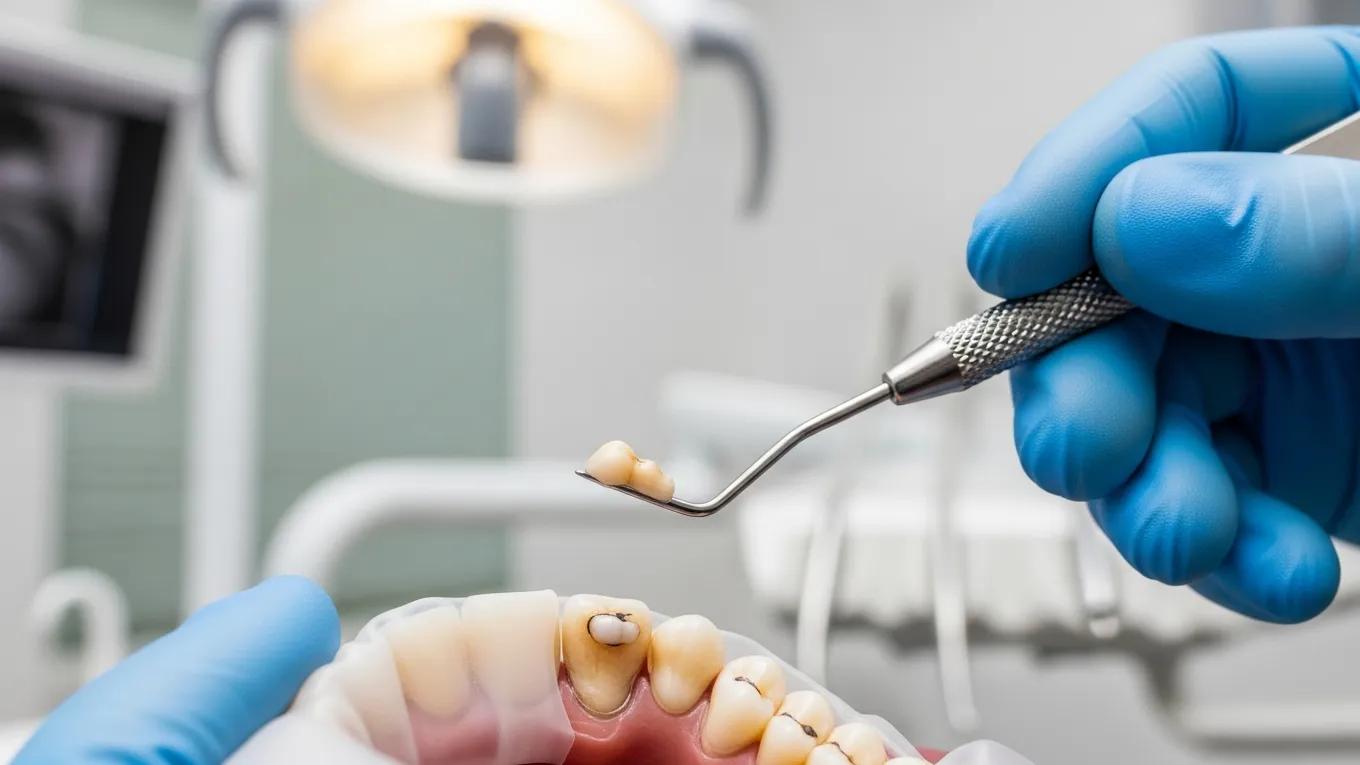
Composite Fillings: Your Trusted Solution for Natural-Looking Tooth Repairs
Composite fillings are tooth-colored resins used to repair decay, chips, and gaps while matching surrounding enamel. Below we summarize benefits, typical uses, comparisons with other materials, and what to expect at Midwest Family Dental Care so you can decide with confidence.
Key Takeaways
- Tooth-colored appearance that blends with your teeth.
- Requires minimal removal of healthy tooth structure.
- Resin bonds to tooth for a durable, aesthetic repair.
- Effective for cavities, chips, and small gaps.
- More aesthetic than amalgam; may wear sooner in some cases.
- Procedure: clean, layer, cure, polish for a natural finish.
- Good oral hygiene and check-ups extend filling life.
- Midwest Family Dental Care focuses on comfort and personalized care.
Benefits of Composite Fillings
Composite fillings combine aesthetic and practical benefits many patients prefer: they match tooth shade, are durable when cared for, and often require less tooth removal than amalgam.
- Natural Appearance: Shade-matching creates a seamless result.
- Durability: Designed to withstand normal chewing with proper care.
- Minimal Tooth Removal: Often preserves more healthy tooth structure.
Our team offers consultations to review whether composites are the right choice for your situation.
Applications of Composite Fillings

Composite fillings treat common problems such as:
- Repairing Cavities: Restore function and appearance after decay removal.
- Filling Chipped Teeth: Repair chips and small cracks to restore integrity.
- Closing Gaps: Small gaps can be closed cosmetically with composite.
Restorations are tailored to match your tooth anatomy and function.
Comparisons to Other Filling Materials
Choosing a filling depends on appearance, tooth location, longevity, and cost. Below is a quick comparison:
This table highlights trade-offs to consider when selecting a material.
For more detailed information on differences between these restorative materials, see the resource below.
Comparing Composite and Amalgam Fillings for Caries Treatment
Caries is one of the most common diseases worldwide. For direct restorations of carious lesions, tooth-colored composite materials are increasingly used. Mandatory health insurance covers composite fillings in front (anterior) teeth; in posterior teeth, patients often bear the extra cost. Amalgam is an alloy of mercury and other metals and has been used in dentistry for more than 150 years. Composites consist of a resin matrix with chemically bonded fillers and have been used in anterior teeth for about fifty years.
Longevity of dental amalgam in comparison to composite materials, 2008
What Are Composite Resin Dental Fillings and How Do They Restore Your Teeth?
Composite resin mixes a polymer matrix with glass or ceramic fillers to produce a tooth-colored restoration. The material bonds to remaining tooth structure; clinicians place it in layers, sculpt anatomy, and light-cure each layer to restore form and function.
Understanding Composite Resin Material and Its Benefits
Available in multiple shades, composite is easy to shape and polish for a smooth bite. Because it bonds to tooth structure, it can help reinforce the tooth and reduce risk of recurrent decay when placed correctly.
How Composite Fillings Treat Tooth Decay and Damage
After removing decayed tissue, the clinician applies and sculpts composite to replace lost structure, then light-cures and polishes the restoration so it blends with adjacent enamel and restores chewing function.
Why Choose Tooth-Colored Composite Fillings Over Other Dental Filling Materials?
Composites are preferred where appearance matters because of shade-matching and conservative preparations. They can also be repaired or added to if minor issues occur, making them practical for many patients.
Comparing Composite Fillings with Amalgam and Other Filling Options
Consider aesthetics, longevity, and cost: composites conserve tooth and look natural; amalgam can be more durable and less costly for back teeth. Discuss priorities and tooth location with your dentist to choose the best material.
Aesthetic and Functional Advantages of White Dental Fillings
White composites restore chewing function while maintaining a natural smile without visible metal, allowing comfortable eating and speaking.
What Can You Expect During the Composite Filling Procedure at Midwest Family Dental Care?

We follow a patient-focused protocol. Typical steps include cleaning and preparing the tooth, applying composite in layers, curing each layer with a light, and polishing the final restoration for comfort and aesthetics.
- Consultation: Review options and plan treatment.
- Preparation: Clean and isolate the tooth.
- Application: Layer, shape, and cure the composite.
- Finishing Touches: Polish and check the bite.
We prioritize comfort and clear communication throughout your visit.
Step-by-Step Process of Composite Filling Placement
Placement follows a standard clinical sequence to ensure a proper result:
- Diagnosis: Examine the tooth and determine treatment needs.
- Anesthesia: Local anesthesia for patient comfort as needed.
- Tooth Preparation: Remove decay and clean the area.
- Filling Application: Apply and cure composite in layers.
- Final Adjustments: Shape, polish, and verify the bite.
This technique yields a restoration that is functional and visually integrated.
How Our Experienced Dental Team Ensures Your Comfort and Care
Our clinicians provide clear explanations, answer questions, and use measures to reduce anxiety and maximize comfort during treatment.
How Should You Care for Your Composite Fillings to Maximize Longevity?
Simple care helps extend filling life:
- Maintain Good Oral Hygiene: Brush and floss daily to prevent decay at margins.
- Avoid Hard Foods: Be cautious with very hard or sticky items.
- Regular Dental Check-Ups: Routine exams let us monitor restorations.
Consistent hygiene and regular exams help fillings last longer.
When to Schedule Follow-Up Visits and Filling Replacements
Schedule follow-ups so we can monitor restorations. Contact Midwest Family Dental Care if you notice sensitivity, visible wear, chips, or discomfort; we will assess repair or replacement options.
Frequently Asked Questions
What is the lifespan of composite fillings compared to other materials?
Composites commonly last around 5–10 years, depending on tooth location and care; amalgam often lasts longer. Regular exams and good home care can extend longevity.
Are there any specific foods to avoid after getting composite fillings?
Avoid hard, sticky, or chewy foods for the first 24 hours; hot or cold sensitivity may occur briefly, so take care with temperature extremes.
Can composite fillings be repaired if they become damaged?
Often yes—minor chips or wear can be repaired or layered without full replacement; see your dentist to evaluate options.
How do I know if my composite filling needs replacement?
Increased sensitivity, visible wear, cracks, or chewing discomfort may indicate replacement is needed—your dentist can advise during exams.
Are there any risks associated with composite fillings?
Risks are limited: temporary sensitivity, gradual material wear, or rare allergic reactions. Proper placement minimizes decay risk under the filling.
How do I choose between composite fillings and other types?
Decide based on cosmetic goals, cost, and tooth location: composites for visible teeth, amalgam may be preferable for some back teeth. Discuss options with your dentist.
What should I expect during the recovery period after getting composite fillings?
Mild sensitivity for a few days is common and usually resolves. Maintain hygiene and avoid hard foods while the restoration settles; contact us for any prolonged issues.
Conclusion
Composite fillings offer natural aesthetics, reliable function, and conservative tooth preparation for many dental repairs. If you’re considering composite restorations, Midwest Family Dental Care can help you choose and plan the right treatment—schedule a consultation to restore your smile.