
Broken Tooth and Avulsion Emergency Care
Emergency Dental Care for Broken Tooth and Avulsion: How to Save a Knocked Out Tooth and Understand Tooth Reimplantation Procedures
Dental emergencies like broken or knocked-out teeth (avulsion) require quick, correct action. This article covers emergency steps, preserving a knocked-out tooth, tooth reimplantation, and post-emergency care. Prompt care reduces pain and complications and improves chances of successful treatment. We also summarize common causes of dental trauma and basic first aid.
Key Takeaways
- Immediate assessment and care are crucial for broken teeth to prevent further damage and infection.
- Handle a knocked-out tooth by the crown and rinse gently without scrubbing to preserve it for reimplantation.
- Storing an avulsed tooth in milk or saline helps maintain viability before dental treatment.
- Tooth reimplantation involves cleaning the socket, assessing the tooth, and carefully placing it back to restore function.
- Dental care within one hour significantly improves the success rate of reimplantation after avulsion.
- Post-emergency care includes following dentist instructions, managing pain, and maintaining oral hygiene to support healing.
- Recognizing symptoms like visible damage, pain, and swelling enables timely response to dental trauma.
- Common causes include accidents, sports injuries, and falls — protective measures reduce risk.
- Seek emergency dental care quickly to prevent infections and permanent tooth damage.
Broken Tooth Emergency Care
When a tooth breaks, act quickly to limit damage and ease pain. Rinse your mouth with warm water, apply a cold compress to the cheek to reduce swelling and control bleeding, and contact a dentist immediately so they can evaluate the injury and lower infection risk.
What Immediate Steps Should You Take for a Broken Tooth?
- Assess the Damage: Determine if the tooth is chipped, cracked, or completely broken.
- Control Pain and Bleeding: Rinse your mouth with warm water and apply a cold compress.
- Seek Immediate Care: Contact a dentist for an emergency appointment to evaluate and treat the injury.
Tooth Avulsion (Knocked-Out Tooth) Emergency Care
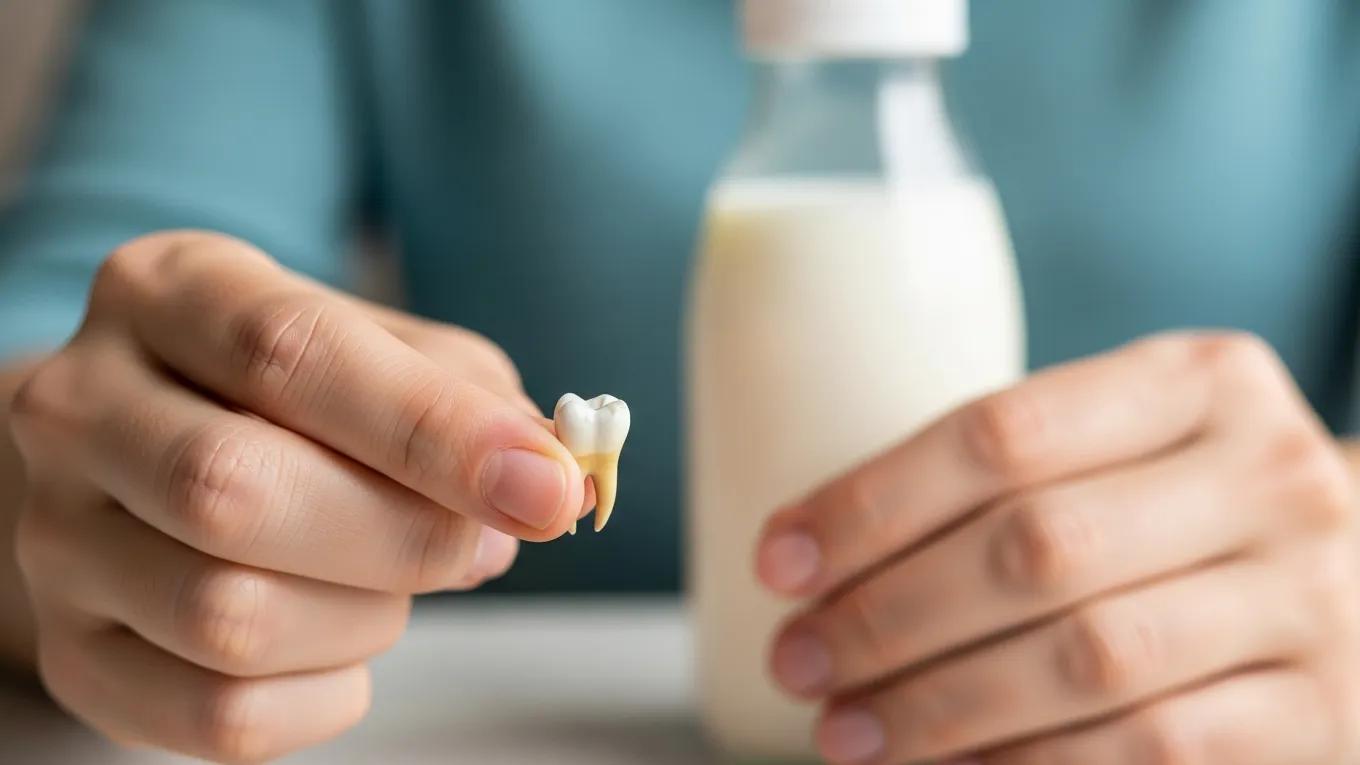
Tooth avulsion is a severe emergency that needs fast action. Find the tooth and pick it up by the crown, avoiding the root. If it’s dirty, rinse it gently with water—do not scrub. If possible, place the tooth back into its socket; if not, keep it moist in milk or saline. Seek dental care urgently because the chance of saving the tooth falls sharply after one hour.
Understanding Tooth Avulsion and Replantation Outcomes
Tooth avulsion is the complete displacement of a tooth from its alveolar bone socket due to trauma. It most commonly affects incisors in children and adolescents and can lead to an uncertain, long-term treatment burden. After replantation, prognosis is often unpredictable. Adverse outcomes such as replacement resorption or inflammatory resorption are possible and may be more likely than favourable functional healing in some cases. The risk of resorption increases when the periodontal connective tissue between the root cementum and the alveolar bone is damaged.
Survival and complication analyses of avulsed and replanted permanent teeth, M Reymus, 2020
How to Handle a Tooth Avulsion Before Emergency Care
- Handle the Tooth Carefully: Always hold the tooth by the crown.
- Rinse the Tooth: If necessary, rinse it gently with water.
- Seek Immediate Dental Care: Contact a dentist as soon as possible for reimplantation.
Overview of Tooth Reimplantation Procedures
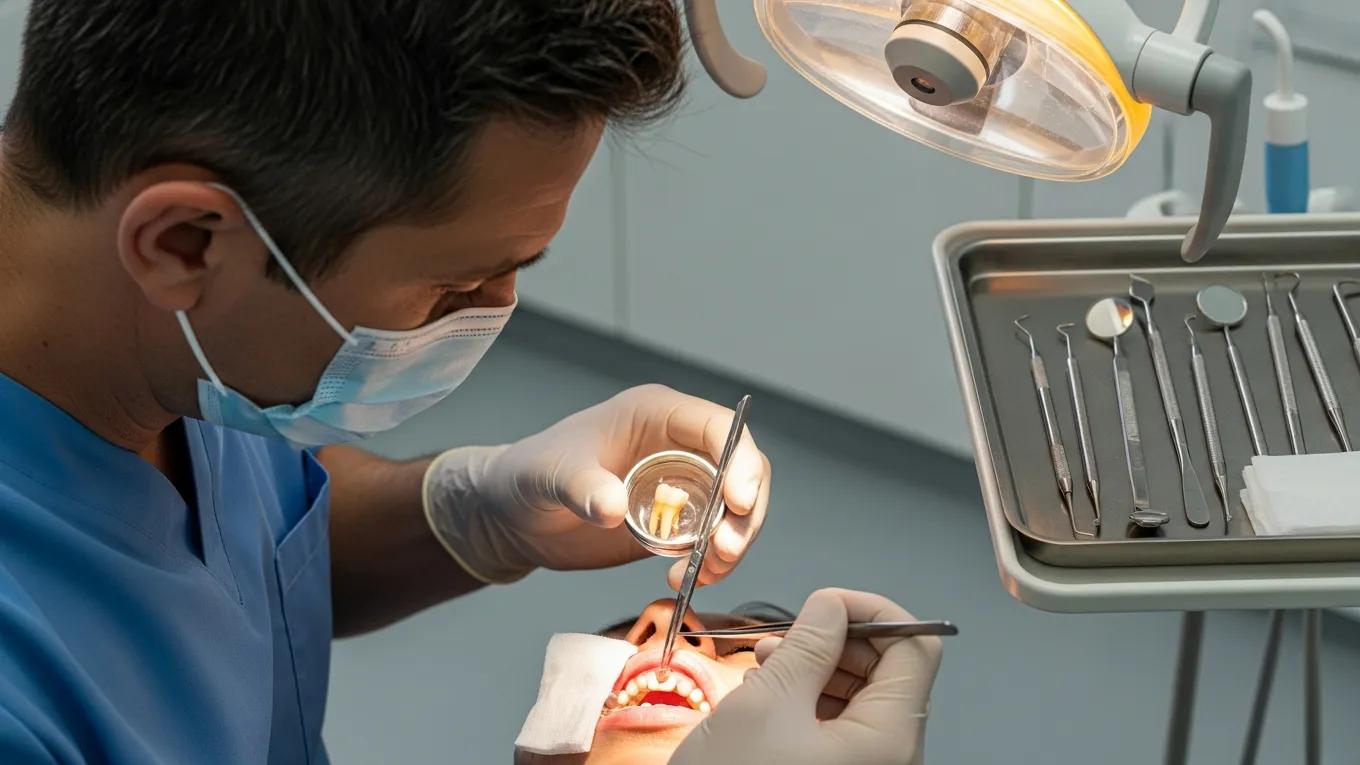
Reimplantation uses staged, precise care to maximise success. The dentist assesses the tooth and socket, cleans the socket to remove debris and lower bacterial load, then repositions the tooth in the socket. Follow-up visits monitor healing and stability.
This overview emphasizes timely intervention and careful technique during the replantation process.
Post-Emergency Care
After emergency treatment, follow your dentist’s instructions closely. Take prescribed medicines for pain as directed, attend follow-ups to check healing, and keep the mouth clean to reduce infection risk. Good oral hygiene supports recovery.
What Are the Symptoms and Types of Dental Trauma Including Broken Teeth and Tooth Avulsion?
Dental trauma presents in different ways. A broken tooth often causes visible damage, pain, and sensitivity to hot or cold. Avulsion adds the obvious sign of a missing tooth from its socket. Recognizing these signs helps you seek care quickly.
Emergency Management and Prognosis of Traumatic Dental Injuries
Traumatic dental injuries (TDI) affect about 10–15% of the population worldwide and often prompt emergency visits. Prognosis after injury depends on the type of TDI, the emergency treatment provided, and the time until definitive care. Low awareness among the public and some medical practitioners can delay treatment, which increases pain, symptom severity, and risk of poor outcomes. Pediatricians can assist by identifying TDI, offering initial advice, and referring children to dental care. This paper outlines key features to note in children with TDI and the essential initial steps.
Dental trauma in children: a quick overview on management, N Tewari, 2019
How to Recognize a Broken Tooth and Tooth Avulsion in an Emergency
Recognizing dental trauma signs ensures timely care. Key indicators include:
- Visible Damage: Look for cracks, chips, or missing pieces of the tooth.
- Pain and Sensitivity: Discomfort or heightened sensitivity to hot or cold.
- Swelling: Noticeable swelling around the affected area.
What Are Common Causes and Risks of Dental Trauma?
Dental trauma often results from accidents, sports injuries, and falls. Not wearing a mouthguard in contact sports raises risk. Poor dental health can increase susceptibility. Understanding causes helps you take preventive steps.
When Is It Critical to Seek Emergency Dental Care Near Me?
Seek emergency dental care immediately for severe toothache, a broken or chipped tooth, a dental abscess, or a knocked-out tooth. Delaying treatment can lead to infection or permanent damage.
How Does the Tooth Reimplantation Procedure Work and What Are Its Success Rates?
Reimplantation follows assessment, socket cleaning, and careful repositioning. Success depends on time since avulsion and tooth/socket condition; earlier reimplantation generally improves outcomes.
Where and How Can Midwest Family Dental Care Provide Urgent Dental Services for Dental Trauma in Michigan and Indiana?
Midwest Family Dental Care provides urgent dental services for residents of Michigan and Indiana who experience dental trauma. Same-day appointments are available so patients receive timely care for broken teeth and avulsion. The team offers emergency treatment and ongoing support during recovery.
What Emergency Dental Care Services Are Available for Broken Tooth and Avulsion?
Services include immediate assessment and repair of broken teeth, reimplantation for avulsed teeth, and same-day emergency appointments to address urgent needs quickly.
How to Schedule a Patient Consultation for Dental Trauma Treatment
To schedule, identify the emergency, call Midwest Family Dental Care, and provide injury details so staff can arrange prompt care and the appropriate appointment.
Knowing the correct steps for a broken tooth or avulsion helps you act quickly and effectively. Timely intervention improves the chance of saving the tooth and reducing complications.
Frequently Asked Questions
What should I do if my child knocks out a tooth?
Stay calm and act fast. Find the tooth, hold it by the crown, rinse gently if dirty (do not scrub), and try to reinsert it. If you cannot, keep it moist in milk or saline and seek emergency dental care immediately—the chance of successful reimplantation drops significantly after one hour.
How can I prevent dental trauma during sports activities?
Wear a properly fitted mouthguard, teach safe techniques, discourage risky behaviour, and keep regular dental check-ups so your dentist can advise on prevention.
What are the long-term effects of tooth avulsion?
Long-term effects depend on reimplantation success and follow-up care. Complications can include root resorption and periodontal problems. Even replanted teeth may need ongoing monitoring and treatment.
How can I manage pain after a dental emergency?
Use over-the-counter ibuprofen or acetaminophen per instructions and apply a cold compress to reduce swelling. Follow your dentist’s guidance and contact them if pain persists or worsens.
What are the signs that I need emergency dental care?
Severe toothache, visible tooth damage, swelling of the gums or face, a dental abscess, a knocked-out tooth, or significant bleeding indicate the need for urgent care.
Is tooth reimplantation always successful?
No. Success depends on factors such as time since avulsion and tooth/socket condition. Sooner reimplantation improves chances, but complications like root resorption can still occur; follow-up is important.
Conclusion
Responding correctly to dental emergencies like a broken tooth or avulsion improves outcomes and recovery. Follow immediate care steps and seek professional help promptly to increase the chance of saving the tooth and limiting complications. Contact Midwest Family Dental Care for urgent dental services when you need prompt, professional attention.