
Thumb Sucking, Pacifier Use, and Early Habit Management

Effective Thumb Sucking and Pacifier Use Management: Expert Pediatric Dental Guidance for Early Habit Correction
Thumb sucking and pacifier use are common comforting behaviours in infants and young children but can affect dental development if prolonged. This article provides concise, expert guidance on dental implications, safe pacifier weaning, and the pediatric dentist’s role in early habit correction so parents know when to seek advice and how early action can reduce later orthodontic needs.
Key Takeaways
- Prolonged thumb sucking beyond age four can cause dental misalignment and affect speech.
- Weaning pacifiers between about 6 months and 2 years lowers dental risk.
- Positive reinforcement and substitute comfort items aid weaning.
- Pediatric dentists offer early, tailored habit-management plans.
- Family routines and clear, age-appropriate discussion support lasting change.
- See a pediatric dentist if habits persist or dental changes appear.
- Early intervention reduces the chance of later orthodontic treatment.
- Regular dental check-ups help monitor and manage oral habits.
How Does Thumb Sucking Affect Your Child’s Dental Health?
Thumb sucking that continues past preschool can alter dental development. Persistent sucking may cause malocclusion—misaligned teeth—and change oral shape, affecting bite and sometimes speech. If these changes are not addressed early, orthodontic treatment may be needed later.
What Are the Dental Risks of Prolonged Thumb Sucking?
Prolonged thumb sucking increases several risks:
- Increased Risk of Misalignment: Ongoing pressure can move teeth and produce crooked alignment.
- Potential Speech Issues: Altered tooth and tongue position can make certain sounds harder to form.
- Long-term Dental Complications: Persistent habits can lead to more extensive orthodontic work.
When Should Parents Be Concerned About Thumb Sucking?
Watch for continued thumb sucking after age four or any visible change in tooth position or bite. Early alternatives and a pediatric dental consult can address the habit before it causes lasting dental changes.
- Age Indicators for Concern: Persistence beyond preschool warrants advice.
- Signs of Dental Misalignment: Noticeable alignment or bite changes are warning signs.
- Recommended Actions for Parents: Introduce coping alternatives and consult a pediatric dentist as needed.
What Are Safe and Effective Pacifier Weaning Techniques?

Weaning from a pacifier is often gradual. Gentle, consistent approaches reduce stress and protect dental alignment as the mouth develops.
When Is the Best Age to Stop Pacifier Use?
Stopping pacifier use between roughly 6 months and 2 years is generally advised to lower dental risks. Begin by reducing daytime use, then offer gradual limits so the child adapts with minimal resistance.
Which Behavioral Strategies Help in Pacifier Weaning?
Helpful strategies include:
- Positive Reinforcement Techniques: Praise and small rewards for not using the pacifier.
- Alternative Coping Mechanisms: Offer a favourite toy, blanket, or calming activity as a substitute.
- Role of Parental Involvement: Consistent, supportive parental participation makes the process smoother.
Midwest Family Dental Care can provide practical, family-centered guidance during the transition.
How Can Early Habit Management Prevent Dental Complications?
Addressing thumb sucking and pacifier use early helps maintain healthy dental development and reduces the chance of structural changes that require complex treatment later.
What Role Does Pediatric Dentistry Play in Habit Correction?
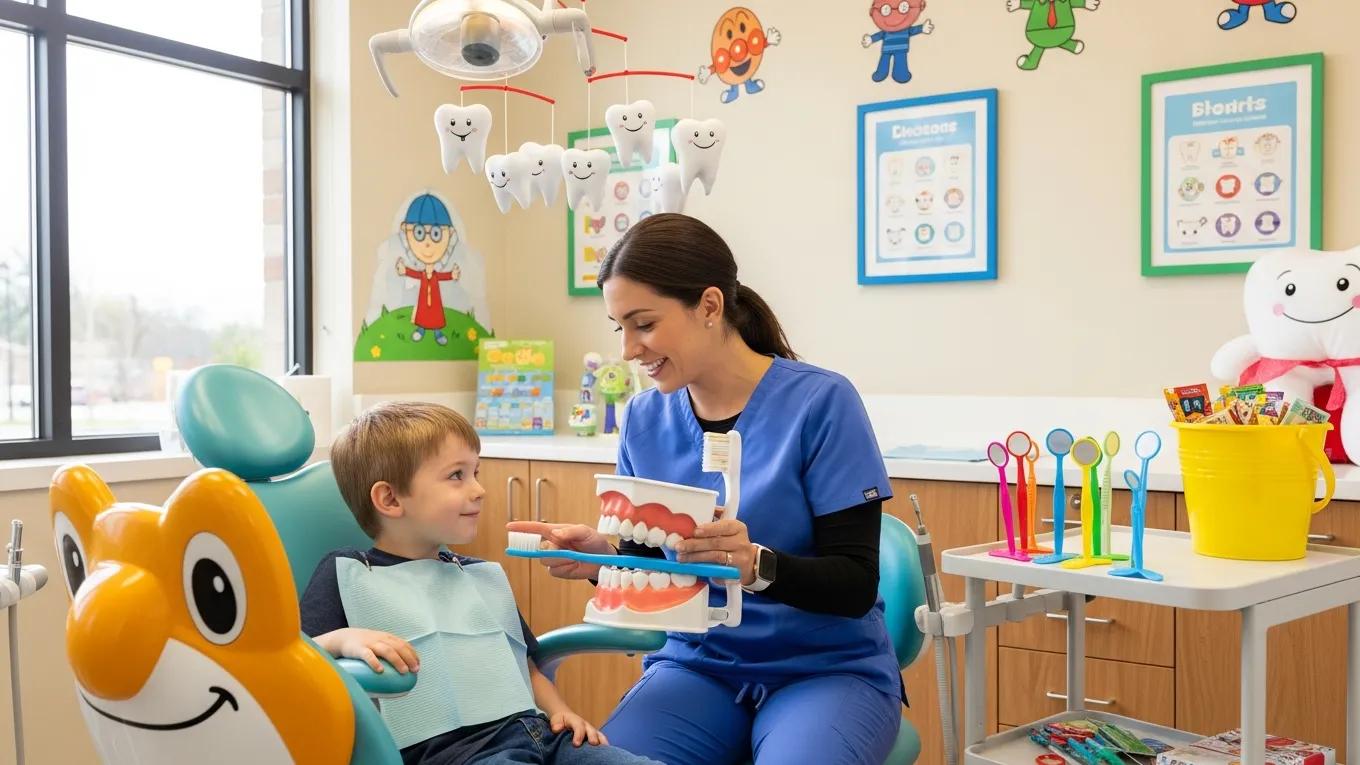
Pediatric dentists assess habits, monitor growth, and recommend age-appropriate interventions. Regular visits allow timely adjustments and help children accept recommendations from a trusted professional.
Which Family Strategies Support Successful Oral Habit Correction?
Family involvement matters. Effective home strategies include:
- Positive Reinforcement: Celebrate progress to motivate change.
- Routine Establishment: Predictable daily routines reduce dependence on oral comforts.
- Educational Discussions: Simple explanations about dental health help older toddlers understand the goal.
When Should You Consult a Pediatric Dentist About Oral Habits?
Contact a pediatric dentist if you notice persistent habits, visible dental changes, or any related pain. Early professional advice guides an effective, individualized plan and lowers long-term risk.
What Are the Signs That Require Professional Dental Advice?
Seek advice if you observe:
- Persistent Thumb Sucking: Continued sucking beyond the recommended age.
- Visible Dental Issues: Changes in tooth position or bite.
- Pain or Discomfort Indicators: Any pain linked to oral habits.
How Does Early Intervention Reduce Orthodontic Treatment Needs?
Prompt intervention reduces the likelihood of braces or other corrective treatments. Regular check-ups let your pediatric dentist identify and manage developing issues before they worsen.
This table summarizes how these strategies combine to support improved dental outcomes for children.
Frequently Asked Questions
What are the long-term effects of thumb sucking on speech development?
If thumb sucking continues past about age four, it can change tooth and tongue position and interfere with sounds like “s” or “th.” Early habit management lowers these risks and supports clearer speech.
How can parents encourage their child to stop using a pacifier?
Use praise and small rewards, introduce a comforting toy or blanket, and reduce daytime use gradually. A steady routine and calm reassurance make the transition easier.
What should parents do if their child experiences anxiety during weaning?
Offer extra comfort and soothing activities (reading, quiet play), explain the change in simple positive terms, and slow the process if needed. If anxiety persists, consult a pediatric dentist for tailored support.
Are there any dental appliances that can help with thumb sucking?
Habit-breaking appliances are available and can make sucking uncomfortable or difficult; a pediatric dentist can determine whether an appliance is appropriate and combine it with behavioural strategies.
What role does parental involvement play in habit correction?
Parents set routines, provide encouragement, and reinforce progress. Consistency and positive communication create an environment that supports lasting habit change.
How often should children visit a pediatric dentist for monitoring oral habits?
Children typically see a pediatric dentist every six months for monitoring. Regular visits let the dentist assess development, catch issues early, and advise on habit management.
Conclusion
Early, consistent management of thumb sucking and pacifier use protects dental development. With gentle strategies and pediatric dental support, most children stop these habits without lasting harm. Maintain routine dental visits and involve the family in steady, encouraging routines. For personalized advice, consult a pediatric dentist.