
Early Orthodontic Screening and Referral
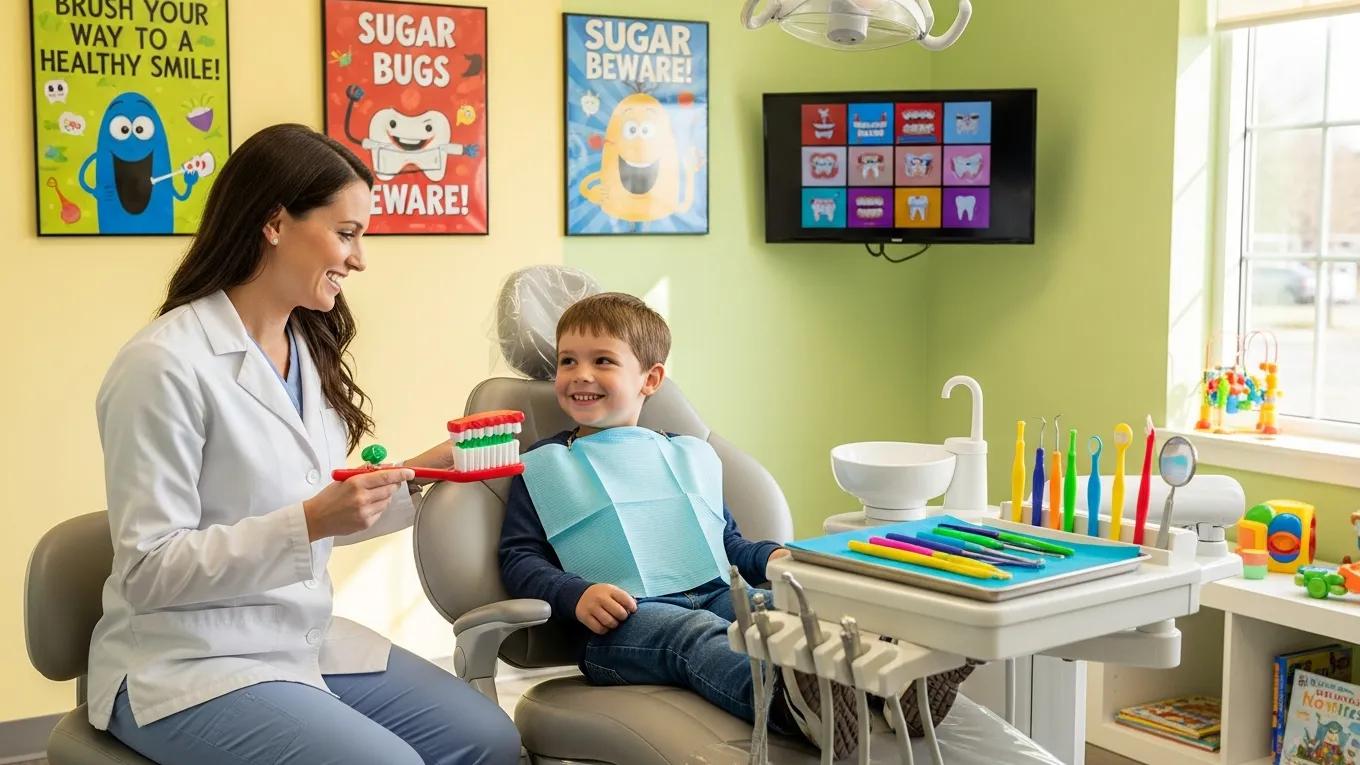
Early Orthodontic Screening and Referral: Your Guide to Timely Pediatric Orthodontic Care
Early orthodontic screening evaluates a child’s dental and facial development to catch problems before they progress. Timely assessment enables appropriate referrals and earlier, often simpler treatment that supports oral health and confidence.
Key Takeaways
- Screening identifies developing dental and facial issues early.
- AAO advises an initial check by age seven.
- Early screening enables interceptive orthodontics and better outcomes.
- Pediatric dentists begin referrals when growth or alignment concerns appear.
- Options include interceptive appliances, braces, and clear aligners.
- Phase one treatment can improve jaw alignment and reduce later care.
- Watch for chewing difficulty or prolonged thumb sucking as warning signs.
- Growth assessment monitors eruption, facial development, and function.
- Referrals include exams, child-friendly communication, and tailored plans.
Early Orthodontic Screening and Referral for Pediatric Orthodontic Care: A Comprehensive Guide
Screening is a clinical review of dental eruption, bite, and facial growth to detect malocclusion or other concerns. When indicated, pediatric dentists refer to an orthodontist for detailed assessment and planning. Early evaluation—typically by age seven—lets clinicians act when first permanent molars and incisors are present, often simplifying later treatment.
Importance of Early Screening

Screening can reveal crowding, misalignment, and bite problems while growth is still ongoing. Interceptive orthodontics applied early can reduce the complexity and duration of future treatment. Key benefits include:
- Timely Intervention: Early action can prevent worsening problems.
- Improved Outcomes: Earlier treatment is often more effective and less invasive.
- Better Oral Health: Addressing issues early supports hygiene and long‑term health.
For families in Michigan and Indiana, Midwest Family Dental Care offers evaluations and referrals to specialists as needed.
Referral Process
Referrals typically start at a routine dental visit when the pediatric dentist evaluates teeth, jaw, and growth. If findings suggest specialist care, the dentist refers the child to an orthodontist who will perform a full assessment and plan next steps.
- Initial Dental Visit: Clinical exam of teeth and jaw.
- Assessment: Review of growth patterns and dental development.
- Orthodontic Evaluation: Specialist exam, often with X‑rays and photos, to create a treatment plan.
Understanding these steps helps families follow a clear path to care.
Potential Treatment Options
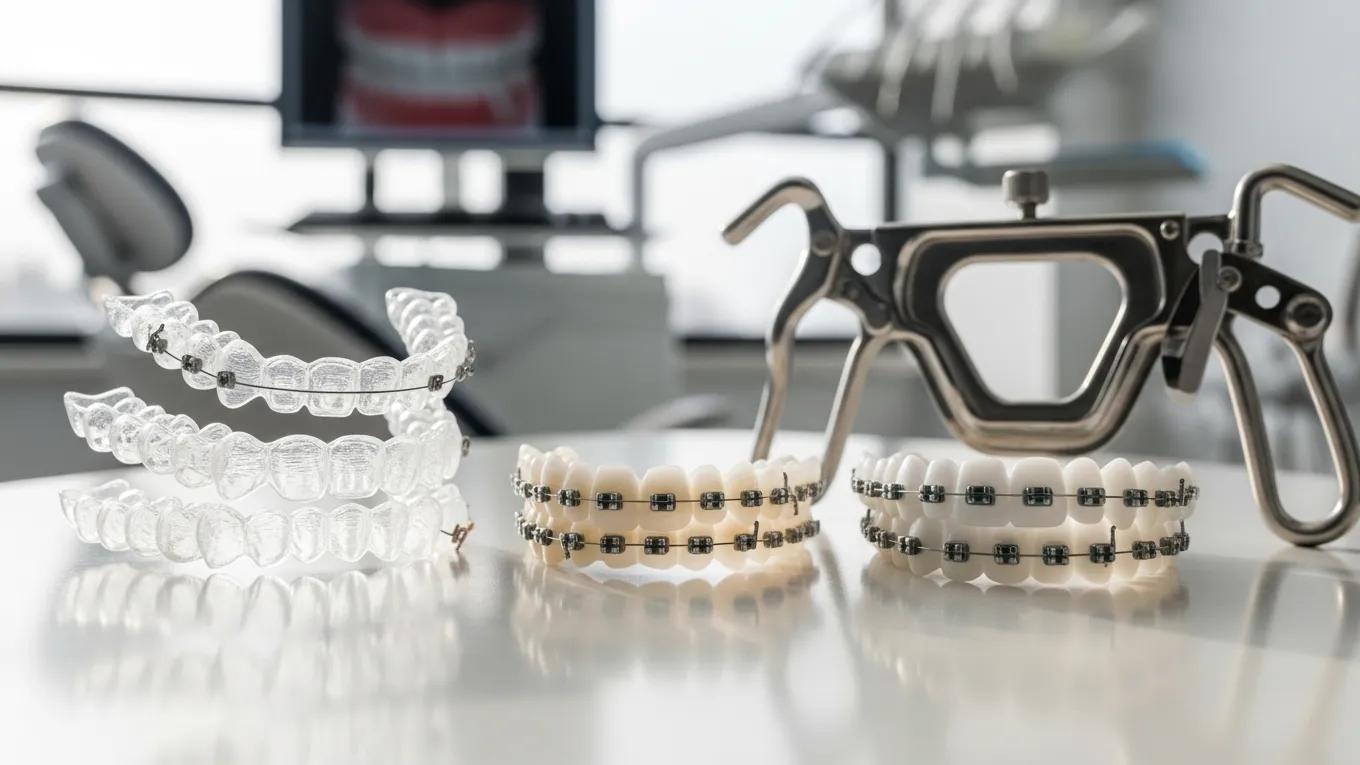
Treatment depends on age, growth stage, and severity. Common pediatric options include:
- Interceptive Orthodontics: Appliances (eg, expanders, partial braces) to guide jaw and tooth development.
- Braces: Metal or ceramic systems to correct alignment as teeth erupt.
- Clear Aligners: Discreet option for older children and teens when appropriate.
The table summarizes typical options and age ranges to help families weigh choices.
At What Age Should My Child Have an Orthodontic Screening?
The American Association of Orthodontists recommends an initial screening by age seven, when permanent molars and incisors have usually erupted. That visit lets clinicians detect issues that may benefit from timely intervention.
Understanding Recommended Orthodontic Screening Ages
Age seven is a general guideline; some children need earlier evaluation if they show signs such as:
- Difficulty chewing or biting
- Early or late loss of baby teeth
- Prolonged thumb sucking
- Mouth breathing
Recognising these signs can prompt an earlier assessment and simpler treatment.
What Are the Benefits of Phase One Orthodontics?
Phase one is early treatment targeting specific dental or skeletal issues before all permanent teeth erupt. It aims to guide jaw growth and tooth eruption to improve long‑term outcomes.
- Improved Jaw Alignment: Early changes can correct discrepancies while growth continues.
- Reduced Treatment Time: Early correction can lessen the extent of later treatment.
- Enhanced Self‑Esteem: Improving a child’s smile early can boost confidence.
Phase one can be a proactive step toward durable oral health results.
The effectiveness of early versus late intervention for certain conditions, such as Class II malocclusion (prominent upper front teeth), has been studied in clinical reviews.
Comparing Early and Late Two-Phase Orthodontic Treatments
Randomised controlled trials examined orthodontic treatments for prominent upper front teeth (Class II malocclusion) in children and adolescents. The review compared early two‑phase treatment (removable, fixed, functional braces or head‑braces) with late one‑phase treatment in adolescents, and included comparisons of various orthodontic braces or head‑braces versus no treatment or alternative appliances where treatment started at similar ages in the intervention groups.
One phase or two phases orthodontic treatment for Class II division 1 malocclusion?, 2019
How Is Child Growth Assessed for Orthodontic Needs?
Assessment focuses on clinical indicators that predict future development, including:
- Dental Development: Eruption sequence and tooth alignment.
- Facial Growth Patterns: Jaw relationships and facial proportions.
- Functional Assessments: Bite, chewing, and breathing patterns that affect occlusion.
These factors guide timing and choice of treatment to match each child’s growth trajectory.
What Does the Orthodontic Referral Process Involve?
Referrals follow clear steps to ensure appropriate, child‑centered care. Parents can expect:
- Thorough Examination: Detailed clinical assessment by the orthodontist.
- Child‑Friendly Communication: Explanations and techniques suited to children.
- Treatment Planning: Discussion of options and a personalized plan.
This process is designed to keep children comfortable and families informed.
Early vs. Late Two-Phase Orthodontic Treatment for Class II Malocclusion
The review included only randomised clinical trials of orthodontic treatments to correct prominent upper front teeth (Class II malocclusion) in children and adolescents. The review selected studies that compared early treatment in children (two-phase) with any type of orthodontic braces (removable, fixed, functional) or head‑braces/headgear versus late (one‑phase) treatment in adolescents with any type of orthodontic braces or head‑braces/headgear, and studies that compared any type of orthodontic braces or head‑braces/headgear versus no treatment or another type of orthodontic brace/treatment or appliance (where treatment started at a similar age in the intervention groups).
One phase or two phase orthodontic treatment for Class II division 1 malocclusion?, 2019
Frequently Asked Questions
What are the signs that my child may need an early orthodontic evaluation?
Look for chewing difficulty, unusual timing of baby tooth loss, prolonged thumb sucking, or persistent mouth breathing. If present, ask your pediatric dentist about an assessment.
How often should my child have orthodontic check-ups after the initial screening?
Visits are commonly scheduled every six to twelve months; your clinician will recommend the best interval for monitoring growth and eruption.
What is interceptive orthodontics, and how does it benefit my child?
Interceptive treatment uses appliances (for example, expanders or partial braces) to guide jaw and tooth development, helping prevent more extensive issues later.
Are there any risks associated with early orthodontic treatment?
Risks can include overtreatment, adjustments if growth changes, and temporary discomfort; discuss individual risks and benefits with the orthodontist.
What should I expect during my child’s orthodontic evaluation?
The evaluation usually includes a clinical exam, bite assessment, and often X‑rays and photographs to inform a treatment recommendation.
How can I prepare my child for their first orthodontic visit?
Describe the visit as a routine check, encourage questions, and bring a familiar item to help them relax. A calm attitude from caregivers helps set a positive tone.
Conclusion
Early orthodontic screening helps identify issues when they are easier to treat, supports better long‑term oral health, and can reduce the need for complex care later. Knowing the referral steps and available options empowers families to make timely, informed decisions about their child’s orthodontic care.