
Root Canals: Pain Relief and Tooth Preservation

Root Canals: Effective Pain Relief and Tooth Preservation through Endodontic Therapy
Root canal therapy is a proven treatment that relieves severe tooth pain and preserves teeth affected by infection or structural damage. The procedure removes infected dental pulp—the soft tissue inside the tooth that can cause intense pain and lead to tooth loss if untreated. This article summarizes the steps, signs of pulp infection, expected recovery, and how cost and insurance may affect treatment decisions.
Key Takeaways
- Root canal therapy removes infected pulp to relieve pain and prevent tooth loss.
- The procedure cleans, shapes, and seals root canals to restore tooth function.
- Treated teeth are preserved, avoiding extraction and preserving dental alignment.
- Common signs of pulp infection: intense pain, temperature sensitivity, and abscess.
- Post-treatment discomfort is usually mild and manageable with OTC pain relievers and soft foods.
- Risks include reinfection, fracture, and temporary swelling or discomfort.
- Costs vary by case complexity and location; many plans offer partial coverage.
- Payment plans and assistance programs can help manage treatment costs.
Procedure
The root canal is a stepwise treatment for infected or damaged teeth. After an exam and radiographs, local anesthesia is applied. The dentist accesses the pulp chamber, removes infected tissue, cleans and shapes the canals to eliminate bacteria, then fills and seals the canals before restoring the tooth.
Benefits
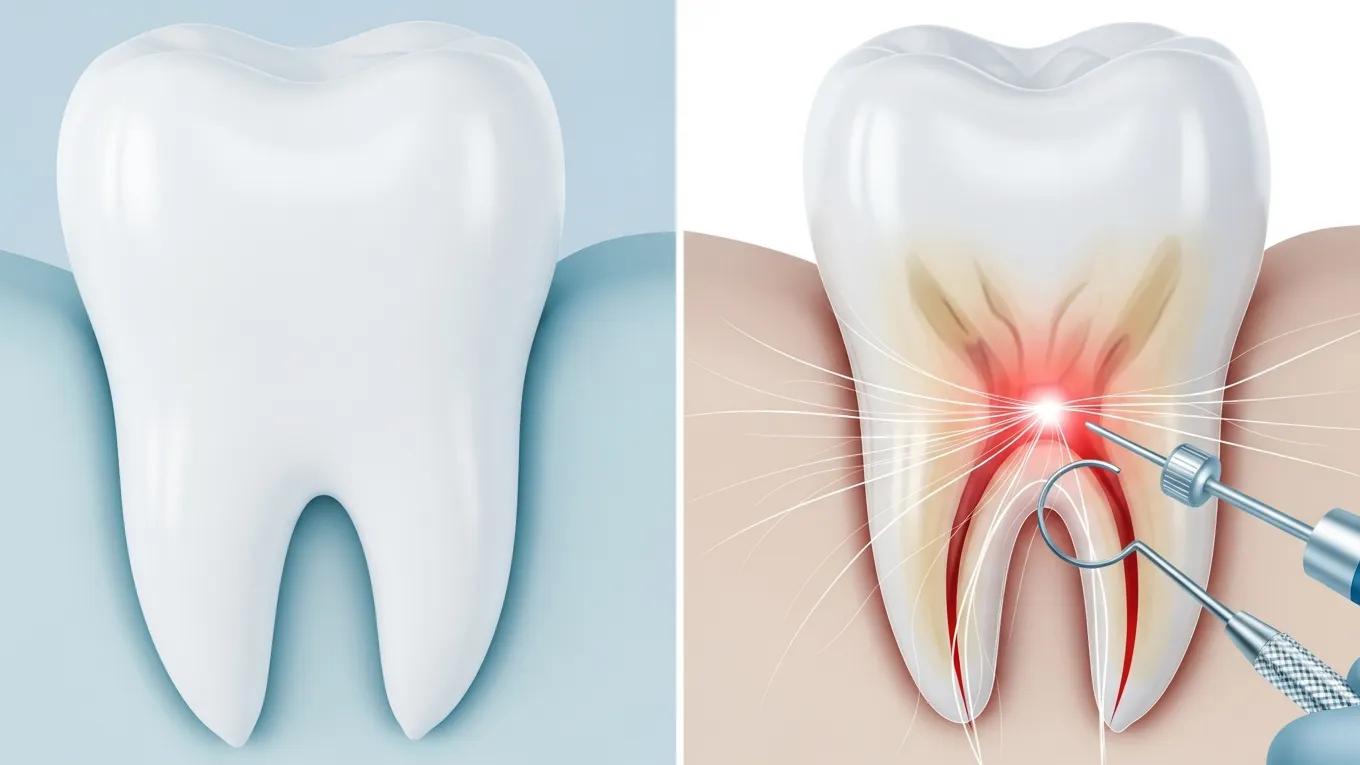
Root canal therapy offers important advantages for infected or injured teeth.
- Pain Relief: It alleviates the intense pain of tooth infections so patients can resume normal activities.
- Tooth Preservation: Treating the infection saves the natural tooth and helps maintain alignment.
- Restoration of Function: The tooth can be restored with a crown or filling for normal chewing and speaking.
Midwest Family Dental Care provides comprehensive dental services, including root canal therapy, for residents of Michigan and Indiana. Contact us to discuss options and schedule an evaluation.
Potential Risks
Root canal therapy is generally safe but carries some risks to be aware of:
- Risk of Infection: Inadequate sealing can allow reinfection.
- Tooth Fracture: Treated teeth may become more brittle over time.
- Post-Procedure Discomfort: Mild discomfort or swelling may occur and usually resolves in a few days.
What Are the Signs and Symptoms of Dental Pulp Infection?
Early recognition enables timely treatment. Typical symptoms include:
- Sensitivity to Temperature: Prolonged pain from hot or cold can indicate pulp involvement.
- Intense Tooth Pain: Severe, persistent pain—especially with biting—suggests infection.
- Presence of Abscess: Swelling, pus, or a draining sore near the tooth requires prompt care.
How to Recognize Tooth Nerve Pain and Abscess Symptoms
Watch for heightened sensitivity to sweets or pressure, a darkening tooth that may indicate nerve damage, and redness or swelling of the gums near the affected tooth. These signs warrant dental evaluation.
How Is the Root Canal Procedure Performed for Tooth Abscess Treatment?
Treatment for an abscess follows a clear clinical sequence to remove infection and restore the tooth.
- Accessing the Pulp: A small opening is made to reach the pulp chamber.
- Cleaning and Shaping Canals: Infected tissue is removed and canals are cleaned and shaped for filling.
- Filling and Restoration: Canals are filled with a biocompatible material and the tooth is sealed and restored.
What Pain Relief and Recovery Can You Expect After Root Canal Therapy?

Effective pain control helps a smooth recovery. Typical expectations include:
- Pain Management Strategies: OTC pain relievers are often sufficient; prescription meds are rare.
- Dietary Adjustments: Eat soft foods for a few days and avoid chewing on the treated side until restored.
- Follow-Up Care: Return visits confirm healing and allow placement of a permanent restoration.
How Much Does Root Canal Therapy Cost and What Insurance Options Are Available?
Costs vary by tooth location and complexity. On average, root canal therapy ranges from $700 to $1,500. Many dental insurance plans provide partial coverage; check your plan for benefits and any preauthorization requirements.
Understanding Root Canal Procedure Cost Factors
Key factors that influence cost include:
- Geographic Location: Local market pricing affects fees.
- Complexity of the Procedure: More canals or complications increase time and cost.
- Insurance Coverage: Plan limits and coverage levels determine out-of-pocket expenses.
Insurance Coverage and Payment Plans for Endodontic Treatment
Before treatment, review accepted insurance plans, ask about payment plans to spread costs, and inquire about any financial assistance programs your dental office may offer.
Frequently Asked Questions
What should I expect during the recovery process after a root canal?
Most patients experience only mild discomfort controlled by OTC analgesics. Expect some sensitivity or slight swelling for a few days, eat soft foods, and avoid chewing on the treated side until the permanent restoration is placed. Keep follow-up appointments to confirm healing.
How can I prevent the need for a root canal in the future?
Preventive care reduces the risk of pulp infection: brush twice daily, floss, attend regular dental exams and cleanings, limit sugary snacks, treat cavities early, and wear a mouthguard for sports or if you grind your teeth.
Are there alternatives to root canal therapy?
Alternatives include extraction (which requires replacement to avoid shifting) and limited pulp capping in very select cases. Your dentist will discuss the best option for your situation.
How long does a root canal procedure typically take?
Procedure time depends on complexity and number of canals. A typical root canal takes about 60 to 90 minutes; complex cases may take longer or require multiple visits.
What are the long-term effects of having a root canal?
Long-term outcomes are generally positive: pain relief and preservation of the natural tooth. With good oral hygiene and regular exams, a treated tooth can last many years. There is a small reinfection risk if the seal fails or hygiene lapses.
Can children undergo root canal therapy?
Yes. Pediatric treatments (often called pulpotomy) address infected primary teeth and aim to preserve tooth structure and development. Pediatric dentists provide child-focused care and comfort.
Conclusion
Root canal therapy effectively relieves pain and saves natural teeth, supporting long-term oral health. Understanding the procedure, risks, and recovery helps you make informed treatment decisions. If you have symptoms of pulp infection, contact a dental professional for an evaluation and a personalised treatment plan. Explore our services or call to schedule an appointment.