
Invisalign for Adults: Discreet Clear Aligners for a Straighter Smile
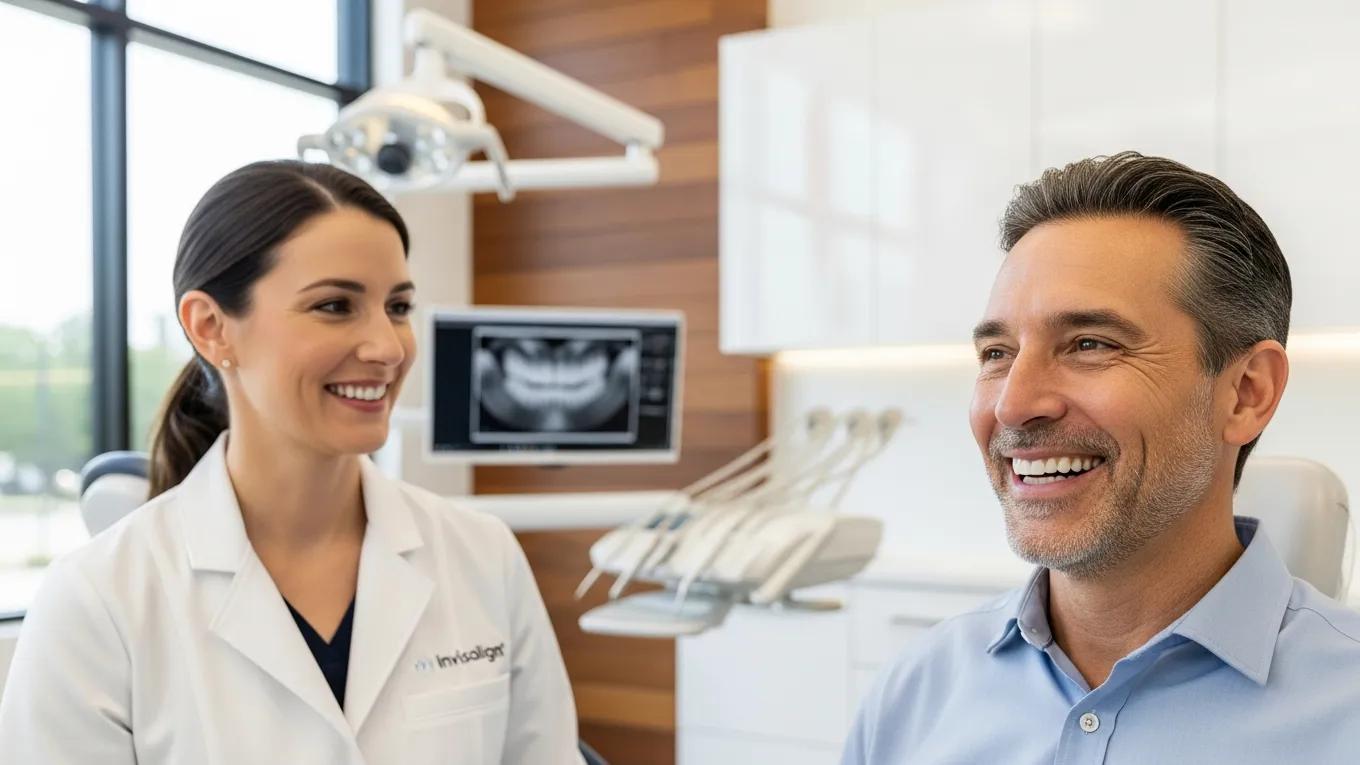
Invisalign for Adults: Achieve Straighter Teeth Without Braces with Expert Care
Invisalign provides adults a discreet, removable alternative to metal braces. Custom clear aligners use controlled force to shift teeth gradually. This article outlines treatment options, benefits, the care process, comparisons with traditional braces, and typical costs to help you choose the right approach for your smile.
Key Takeaways
- Discreet, comfortable alternative to metal braces for adults.
- Custom aligners made from digital scans for precise, gradual tooth movement.
- Removable trays make eating and oral hygiene easier than with fixed braces.
- Treatment commonly lasts 12–18 months, depending on complexity and wear time.
- Follow-up visits every 6–8 weeks monitor progress and make adjustments.
- Smooth plastic aligners reduce gum and cheek irritation versus metal brackets.
- Typical cost range: $3,000–$7,000; financing and insurance may apply.
- Well suited for adults prioritising discretion, comfort and predictable results.
Treatment Options
Invisalign treatment is individualized. After a consultation and assessment, digital scans and 3D planning produce a sequence of clear, medical‑grade plastic aligners designed to move teeth in stages. The clinician monitors progress and refines the plan as needed.
Many adults use Invisalign to correct crowding, spacing and certain bite issues; clinicians will confirm suitability during the assessment.
Invisalign for Adults: A Modern Orthodontic Solution
Increasing numbers of adults are seeking treatment; comparisons have been made between finished case quality for patients treated with Invisalign and those treated with traditional fixed appliances. K Julien, 2022
Benefits
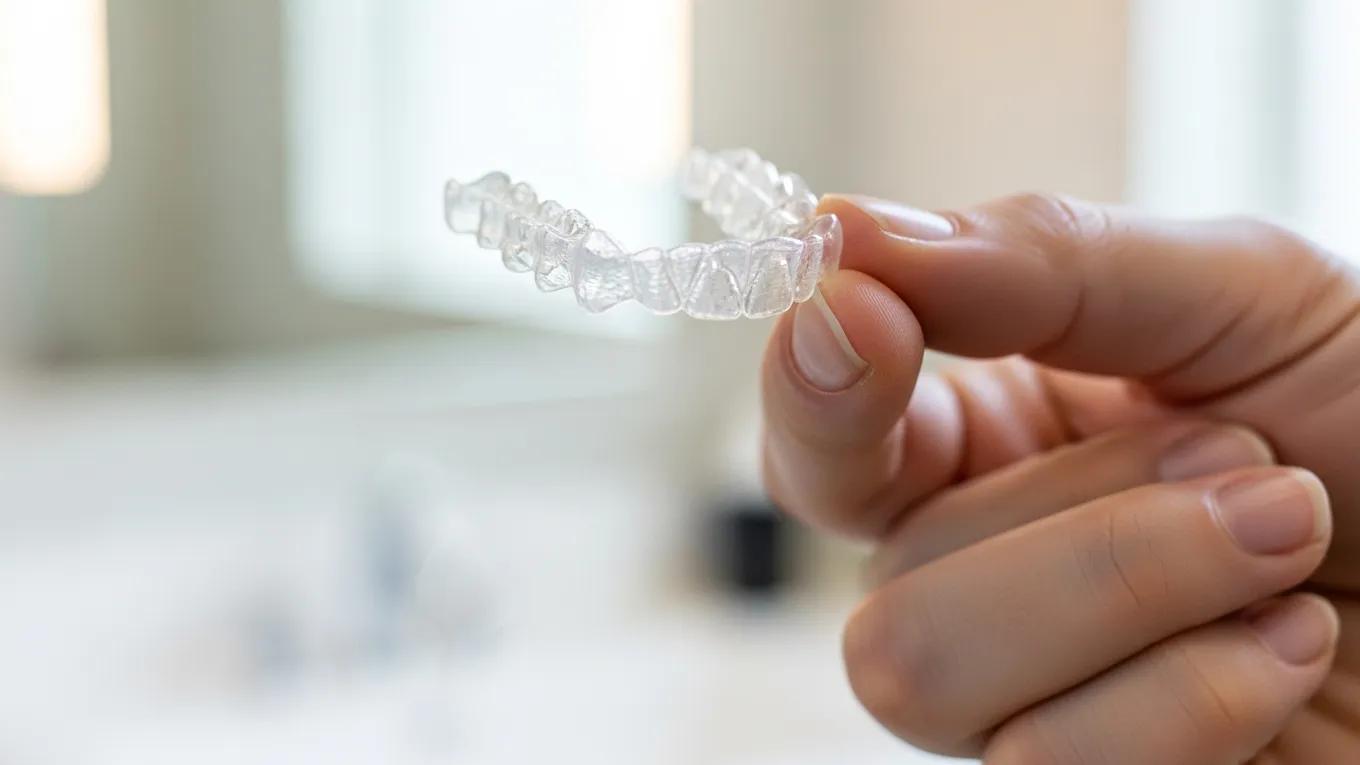
Invisalign offers comfort, aesthetics and easier hygiene while providing controlled tooth movement when worn as directed.
- Removability: Take trays out to eat, brush and floss for better oral care.
- Comfort: Smooth material reduces soft‑tissue irritation common with metal brackets.
- Discreet Appearance: Nearly invisible aligners let adults maintain a professional look.
Many adults choose Invisalign for its aesthetic and lifestyle advantages. Midwest Family Dental Care provides comprehensive adult orthodontic guidance throughout treatment.
How Does Invisalign Offer a Discreet Alternative to Traditional Braces?
Clear, custom‑fitted aligners are far less noticeable than metal brackets and wires. Patients frequently report greater confidence during treatment because aligners blend with natural teeth and are removable for important events.
This low‑profile option appeals to adults who prefer not to wear visible braces.
Invisalign: A Discreet Alternative to Traditional Braces for Adults
Many adults resist buccal braces for aesthetic reasons and look to alternatives such as Essix retainers, lingual orthodontics, Tru‑Tain retainers and Invisalign. (Invisalign: a transparent braces, 2018)
Why Is Invisalign Ideal for Adult Orthodontic Treatment?
Invisalign fits adult needs because aligners are removable, low‑profile and custom manufactured. Staged aligner changes allow predictable tooth movement with minimal disruption to daily life and easier hygiene management.
Expected Outcomes
Aligners apply gentle, targeted pressure to move teeth incrementally. Many adults notice visible improvement within months; most plans finish in 12–18 months depending on case complexity and adherence to wearing trays 20–22 hours per day. Regular reviews ensure the plan stays on track.
What Are the Benefits of Invisalign for Adult Teeth Straightening?
Key benefits include effective treatment for many alignment issues, improved comfort and aesthetics, and a typical treatment duration that suits adult schedules.
- Effectiveness: Treats crowding, spacing and many bite discrepancies.
- Comfort and Aesthetics: Smooth, clear trays reduce irritation and are less visible.
- Typical Duration: Most adults complete treatment in about 12–18 months.
These advantages make Invisalign a common choice for adults seeking orthodontic improvement without fixed appliances.
What Is the Invisalign Treatment Process for Adults?
Treatment begins with a consultation, clinical exam and digital records. A customised plan maps the staged movements and a series of aligners is fabricated. You switch through sets on a schedule and attend periodic reviews to confirm progress.
How Long Does Invisalign Treatment Typically Take?
Most treatments last 12–18 months; simpler cases may be shorter. Consistent wear (20–22 hours daily) and the severity of misalignment determine length. Regular follow‑ups keep the plan progressing as intended.
What Can You Expect During Your Invisalign Consultation and Follow-Ups?
At consultation we take digital scans and any needed X‑rays, review goals, and present a treatment plan. Follow‑up visits, usually every 6–8 weeks, let your clinician assess fit, progress and supply the next aligner sets.
How Does Invisalign Compare to Traditional Braces for Adults?
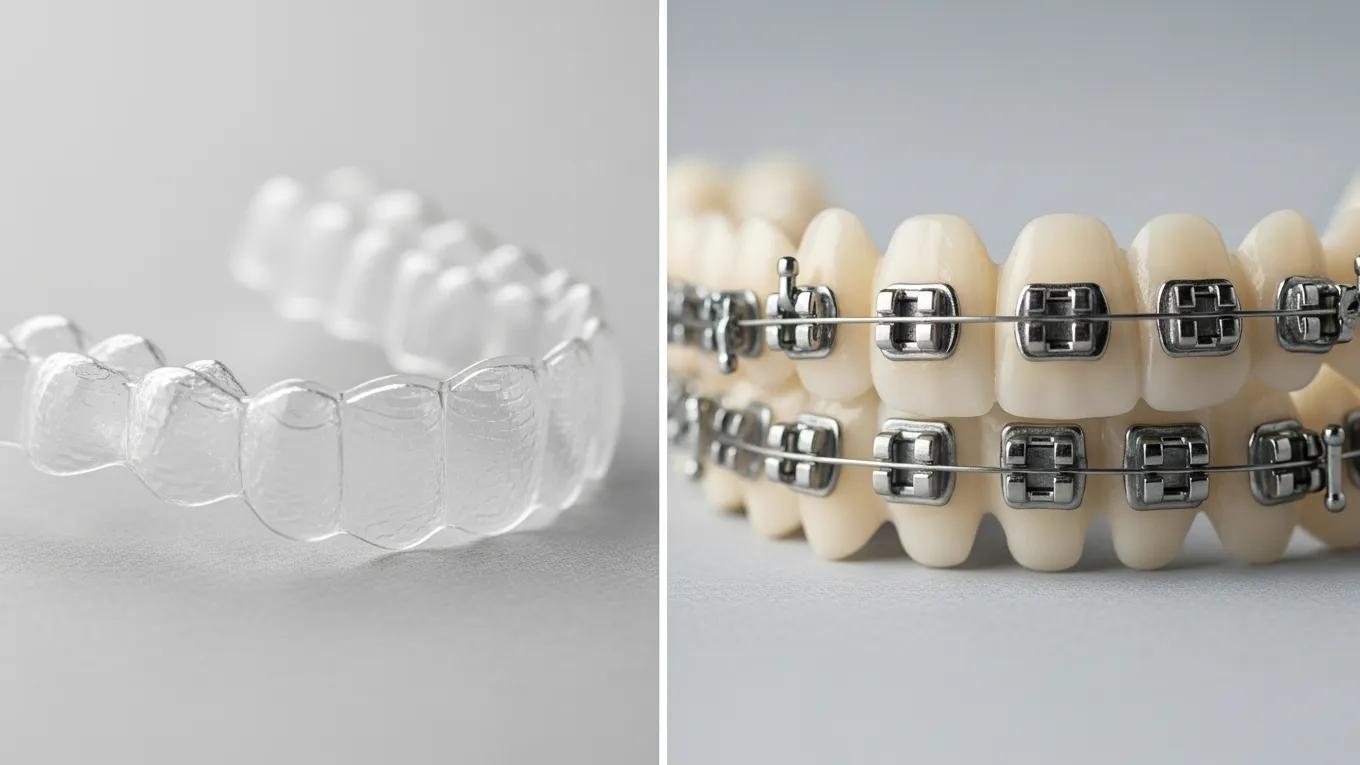
When choosing between Invisalign and braces, consider aesthetics, comfort and the specific tooth movements required. Both can be effective; the clinician will recommend the best option for complex cases.
What Are the Key Differences Between Invisalign and Braces?
- Aesthetic Appeal: Invisalign is clear and less visible; braces are metal and more noticeable.
- Comfort: Smooth trays reduce soft‑tissue irritation compared with brackets and wires.
- Maintenance: Removable aligners simplify eating and oral hygiene; braces need special cleaning tools.
Which Orthodontic Treatment Is Best for Adult Patients?
The optimal choice depends on clinical needs and personal priorities. Invisalign is ideal for adults who prioritise discretion and convenience; fixed braces may be recommended for very complex tooth movements. A consultation will determine the appropriate plan.
Cost differences and lifestyle considerations often factor into patient decisions.
Invisalign vs. Fixed Appliances: Cost and Quality of Life
Research indicates that patients who choose Invisalign may accept higher treatment costs for perceived benefits in daily life and satisfaction when compared with fixed appliances. R Sharma, 2021
What Are the Costs and Financing Options for Invisalign Treatment?
Costs vary by case complexity and treatment length; typical fees range from $3,000 to $7,000. Many practices offer financing to spread payments and some dental plans may cover part of orthodontic care.
How Much Does Invisalign Cost for Adults in Michigan and Indiana?
In Michigan and Indiana, treatment commonly falls between $3,000 and $7,000. Final pricing depends on the severity of the orthodontic issue and the chosen plan; discuss fees and payment options at your consultation.
What Financing Plans and Insurance Options Are Available?
Dental insurance sometimes covers a portion of orthodontic treatment. Providers also offer financing plans to make care more affordable; ask about coverage and payment options during your consult.
Frequently Asked Questions
Can Invisalign treat complex orthodontic issues?
Yes. Advances in aligner design extend Invisalign’s use to many complex cases, though some situations still require adjunctive procedures or fixed appliances. Your provider will assess and recommend the best approach.
How do I care for my Invisalign aligners?
Rinse trays with lukewarm water and brush gently with a soft brush. Avoid hot water. Clean your teeth before reinserting aligners to prevent staining and plaque buildup.
What happens if I lose or damage my aligners?
Contact your clinician promptly. You may be advised to wear the previous set or move to the next set while a replacement is made; avoid gaps in wear where possible.
Are there any dietary restrictions while using Invisalign?
Remove aligners for meals and drinks (except water). Brush before reinserting to reduce staining and decay; otherwise there are no strict dietary limits.
How often should I wear my aligners for effective treatment?
Wear aligners 20–22 hours per day for optimal results, removing them only for eating, drinking (except water), brushing and flossing.
Can I use Invisalign if I have dental work like crowns or bridges?
In many cases Invisalign is compatible with crowns or bridges, but suitability depends on the restorations and your orthodontic needs. Your provider will evaluate restorations during the consultation and plan accordingly.
Conclusion
Invisalign is a modern, discreet and comfortable option for adults seeking a straighter smile. With removable trays, less soft‑tissue irritation and predictable protocols, it aligns well with adult priorities. Schedule a consultation to review a personalised treatment plan and determine if Invisalign is right for you.