
Gum Disease: Causes, Symptoms & Treatment | Midwest Family Dental Care
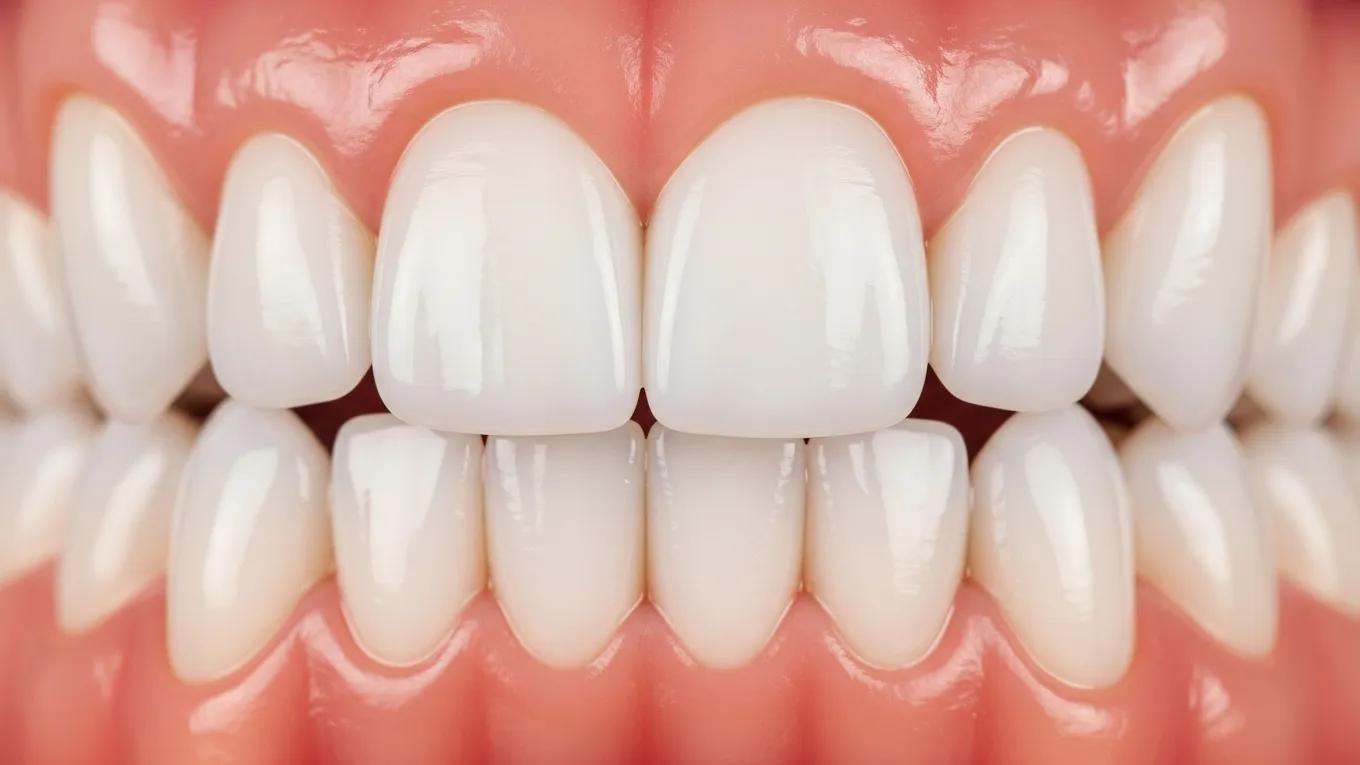
Complete Guide to Gum Disease: Understanding Causes, Recognizing Symptoms, and Exploring Treatment Options
Periodontal disease, commonly called gum disease, affects gums and supporting tissues. It begins with plaque buildup and, if untreated, causes inflammation and infection. This guide covers causes, symptoms, treatment options and prevention so you can protect oral health and spot early signs before the problem worsens.
Key Takeaways
- Gum disease begins with plaque buildup, leading to inflammation and infection if oral hygiene is neglected.
- Plaque bacteria produce toxins that cause gingivitis, which can progress to periodontitis without treatment.
- Smoking, diabetes, and vitamin C deficiency significantly increase the risk of developing gum disease.
- Early symptoms include swollen, red gums and bleeding, while advanced stages show receding gums and loose teeth.
- Non-surgical treatments like scaling and root planing effectively reduce plaque and promote gum healing.
- Surgical options such as flap surgery and bone grafting are recommended for severe periodontitis cases.
- Daily brushing, flossing, and antimicrobial mouthwash use are essential to prevent gum disease.
- Regular dental visits enable early detection and professional cleaning to maintain healthy gums.
- Untreated gum disease may increase the risk of systemic health conditions beyond oral complications.
What Are the Main Causes and Risk Factors of Gum Disease?
Gum disease often starts when plaque, the sticky film of bacteria on teeth, hardens into tartar, irritating gums and causing inflammation. Removing plaque by brushing and flossing prevents progression.
How Do Plaque and Bacteria Contribute to Gum Disease Development?
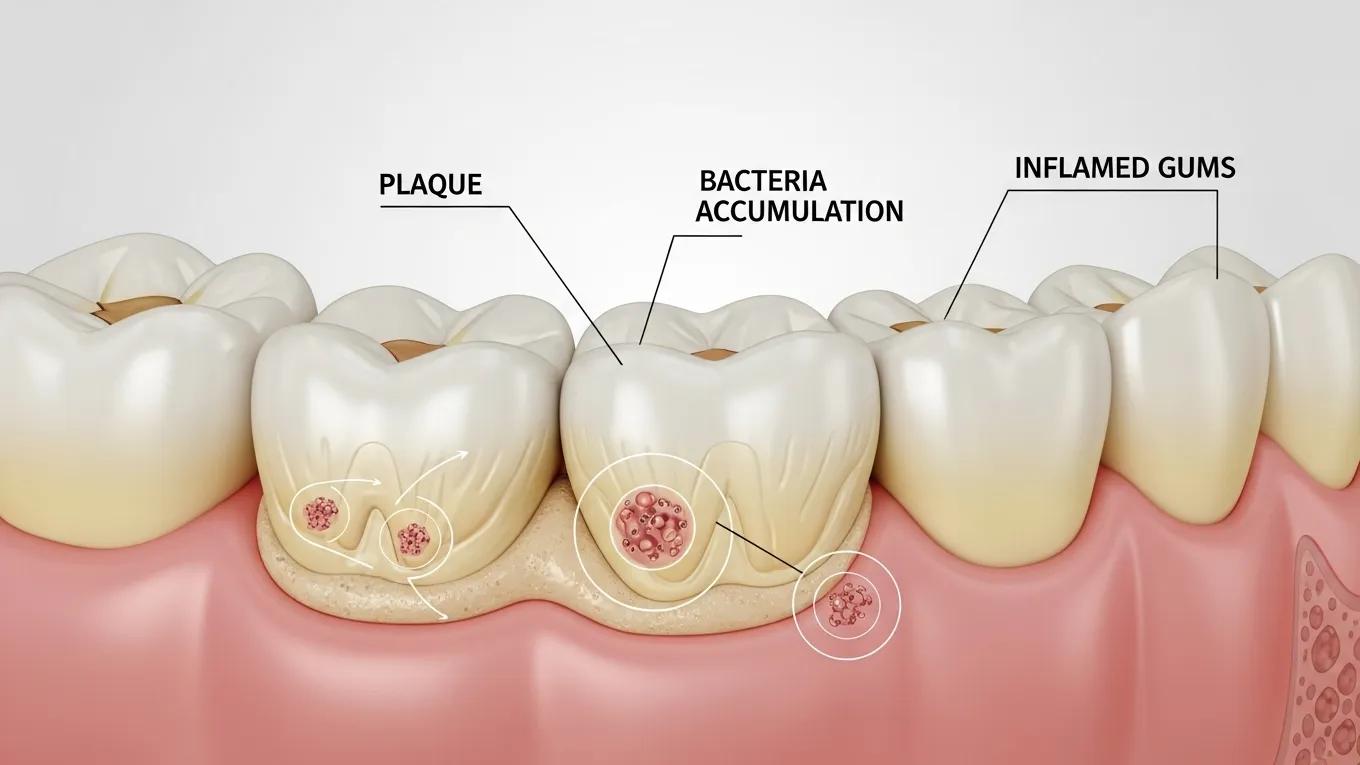
Plaque formation is the first stage. Bacterial toxins cause gingivitis, a reversible inflammation. Without treatment, it can progress to periodontitis, damaging bone and risking tooth loss. Professional cleanings and good home care control plaque.
Which Lifestyle and Health Factors Increase Gum Disease Risk?
Certain habits and health issues increase risk. Smoking impairs healing, diabetes worsens infection control, and vitamin C deficiency weakens gum tissue. Managing health and habits supports gum health.
What Are the Common Symptoms and Stages of Gum Disease?
Recognising symptoms early is vital. Gum disease progresses from gingivitis to periodontitis if untreated; early detection allows simpler, more effective care.
How Can You Identify Early Signs of Gingivitis and Periodontitis?
Early gingivitis signs include swollen, red gums that bleed with brushing or flossing. As it advances you may notice persistent bad breath, receding gums and loose teeth. Regular dental exams detect changes early so you can get timely care.
Recognising specific signs and symptoms is essential for an accurate periodontal diagnosis.
Conventional Diagnostic Criteria for Periodontal Diseases
A diagnosis is based on a range of signs, symptoms and clinical and radiographic findings.
Conventional diagnostic criteria for periodontal diseases (plaque‐induced gingivitis and periodontitis), 2000
What Are the Visible and Sensory Indicators of Gum Infection?
Visible infection signs include red or purplish gums and pus near teeth. Sensory signs include pain when chewing, sensitivity to temperature and a persistent bad taste. Seek dental care promptly when these occur.
What Are the Effective Treatment Options for Gum Disease?
Treatment depends on severity. Gingivitis often improves with better home care, while advanced cases need professional treatment to control infection and prevent damage.
How Do Non-Surgical Treatments Like Scaling and Root Planing Work?
Scaling and root planing remove plaque and tartar and smooth roots so gums can reattach, reducing inflammation and promoting healing.
When Are Surgical Treatments Recommended for Periodontal Disease?
Surgery is used when non-surgical therapy fails. Flap surgery and bone grafts reduce pocket depth and restore support. Recovery varies but most patients resume normal activity within days.
How Can You Prevent Gum Disease and Maintain Healthy Gums?
You can largely prevent gum disease with consistent home care and regular dental visits. These measures lower disease risk.
What Daily Oral Hygiene Practices Reduce Gum Disease Risk?

Daily home care is key. Include:
- Brushing Twice Daily: Use fluoride toothpaste and a soft-bristled toothbrush to effectively remove plaque.
- Flossing Daily: Flossing helps remove food particles and plaque from between teeth where a toothbrush cannot reach.
- Using Antimicrobial Mouthwash: Rinsing with an antimicrobial mouthwash can help reduce bacteria in the mouth.
How Does Regular Dental Care Support Gum Health?
Regular dental visits (usually twice a year) provide professional cleaning, early detection and patient education on brushing and flossing to protect gums between visits.
This table summarises common treatment options and their relative effectiveness.
Knowing causes, symptoms and treatments helps you act early to protect oral health. Regular dental care and home hygiene prevent disease and maintain healthy gums.
Ignoring gum disease can have far-reaching consequences and may increase the risk of other systemic conditions.
The Systemic Risks of Untreated Gum Disease
Epidemiological evidence indicates that poor oral health, particularly advanced periodontal disease, may raise the risk of various systemic conditions. This association prompts concern that neglecting oral health could increase morbidity and mortality.
Is gum disease killing your patient?, 2009
Frequently Asked Questions
What is the difference between gingivitis and periodontitis?
Gingivitis is an early, reversible inflammation of the gums marked by redness and bleeding. If untreated, it can progress to periodontitis, where deeper support structures are affected and pockets form that may lead to bone and tooth loss.
How often should I visit the dentist for gum health?
See your dentist at least twice a year for check-ups and cleanings. If you have risk factors—such as a history of gum disease or diabetes—your dentist may recommend more frequent visits.
Can diet affect gum health?
Yes. A balanced diet rich in vitamins and minerals—especially vitamin C—supports gum tissue and infection defence. Limiting sugary foods reduces plaque formation and disease risk.
What are the long-term effects of untreated gum disease?
Untreated gum disease can lead to tooth and bone loss. Research also links advanced periodontal disease with higher risk of systemic conditions such as heart disease, diabetes and respiratory problems.
Are there any home remedies for gum disease?
Home measures, like warm saltwater rinses or a baking-soda paste, may reduce inflammation and help plaque removal but do not replace professional care. Use them alongside regular dental visits and proper hygiene.
How does smoking impact gum disease?
Smoking greatly increases periodontal risk by impairing blood flow and healing. Smokers are more likely to develop severe disease and lose teeth; quitting improves gum health.
Conclusion
Understanding gum disease helps you protect your oral health. Early recognition and timely treatment prevent serious complications. By practising effective oral hygiene and keeping regular dental appointments, you can substantially reduce your risk. Explore our resources to learn more about gum care and prevention. Take the first step toward a healthier smile today!