
Preparing Your Child for Their First Dental Visit — Practical Tips for Parents
A first dental visit can feel daunting, but a little preparation helps. This guide explains what pediatric dentistry offers, shows simple ways to reduce anxiety, provides a short checklist to bring, and suggests small steps to make the visit pleasant—so your child’s early experience supports lifelong oral health.
Key Takeaways
- Pediatric dentistry supports oral health from infancy through the teen years with care tailored to growing mouths.
- Schedule a first visit by the first birthday or within six months of the first tooth.
- Early visits create a “dental home” and help catch problems before they grow.
- Parents can ease fear with calming breaths, positive reinforcement, and role-play.
- Positive early experiences reduce long-term dental anxiety and encourage routine care.
- Bring a short checklist—documents, a comfort item, and questions for the dentist.
- Make visits enjoyable using upbeat language, child participation, and small celebrations.
- Choose a pediatric dentist by checking credentials, the office environment, and parent reviews.
What Pediatric Dentistry Is — and Why the First Visit Matters
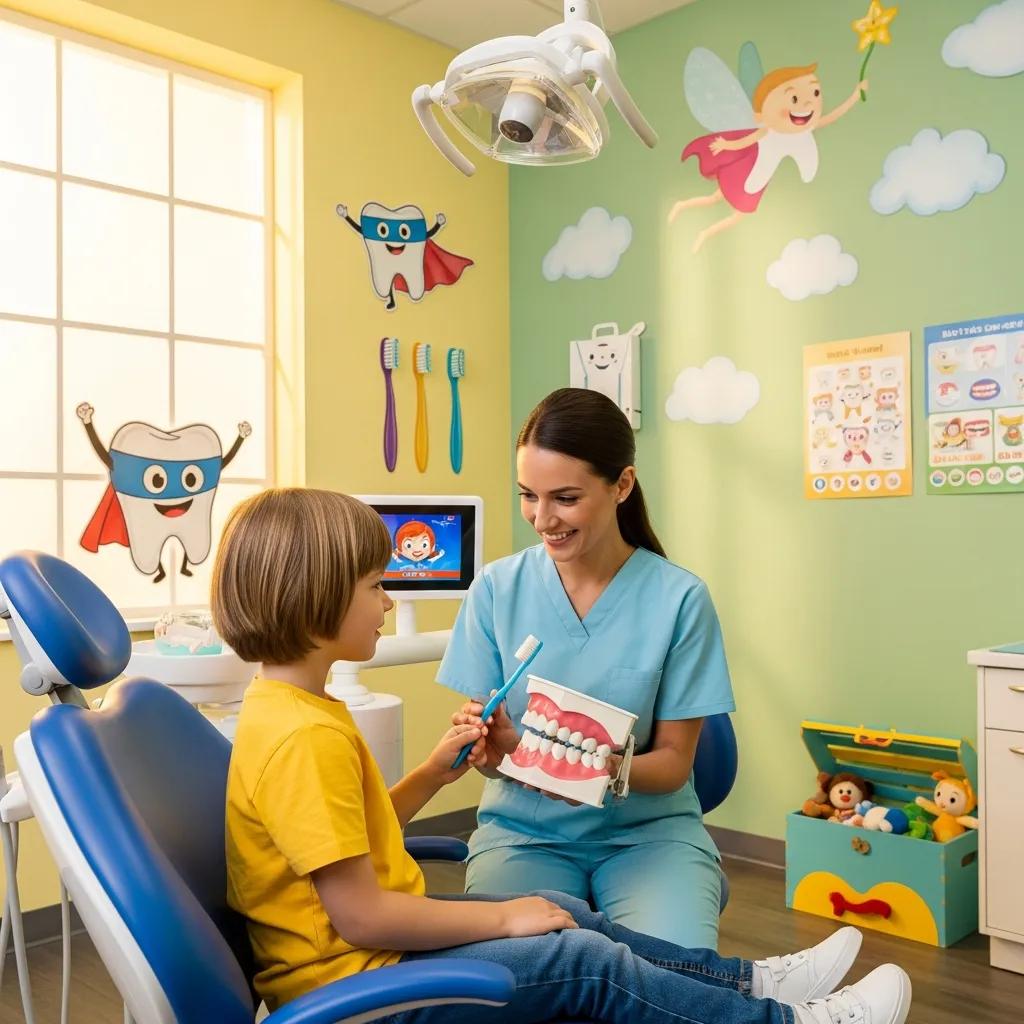
Pediatric dentistry focuses on infants, children, and adolescents. The first visit establishes habits, allows early problem detection, and introduces your child to a team trained to use age-appropriate explanations and gentler tools to create a safe, supportive experience.
How Pediatric Dentists Care for Your Child
These dentists pair technical training with child-focused communication, using smaller instruments and kid-friendly language. Offices are often welcoming, helping children relax while providers check growth, prevent problems, and teach families practical home care.
When to Schedule Your Child’s First Dental Visit
The American Academy of Pediatric Dentistry recommends a visit by age one or within six months of the first tooth. Early appointments build the relationship with the dental team and enable preventive care; if you notice pain, discoloration, or other concerns, schedule sooner.
How Parents Can Help Reduce Dental Anxiety Before the First Visit
Preparing your child emotionally makes a big difference. Calm explanations, validation of feelings, and simple coping tools help the child and the dental team have a smoother visit.
Effective Calming Techniques to Reduce Dental Fear

Try these practical techniques:
- Breathing exercises: Teach one simple pattern—slow in through the nose, slow out through the mouth—to help your child settle.
- Positive reinforcement: Praise specific actions (for example, “You sat so still”) and offer a small reward for bravery.
- Role-playing: Use a mirror and a toothbrush at home so your child knows what to expect.
Non-drug strategies—clear communication, small office adjustments, and engaging distractions—generally improve cooperation and lower anxiety during visits.
Mitigating Pediatric Dental Anxiety: Non-Pharmacological Approaches
Recent non-pharmacological approaches—such as age-appropriate communication, calming office adaptations, and purposeful distraction—have been shown to improve cooperation and lower anxiety in pediatric dental patients.
Dental Anxiety in Pediatric Patients: Contemporary Assessment and Multimodal Management Strategies, RA Cristea, 2026
How Early Dental Care Reduces Long-Term Anxiety
Calm, positive early visits help children become comfortable with dental care. Regular check-ups and a trusting relationship with a pediatric dentist normalize visits and support better oral habits as children grow.
Step-by-Step Checklist to Prepare for Your Child’s First Appointment
A brief checklist helps you arrive organized and relaxed.
What to Pack for Your Child’s First Dental Appointment
Include these essentials:
- Documents: Insurance cards, medication list, and relevant medical history.
- Comfort item: A favorite toy, blanket, or stuffed animal to help your child feel safe.
- Questions for the dentist: Notes on feeding, thumb-sucking, teething, or any concerns you want to discuss.
How to Use the Checklist Effectively
Review the checklist with your child and let them help check off items. Tailor the list to what comforts your child—music, a toy, or a short game—to reduce surprises at the office.
Making Dental Visits Fun and Comfortable for Your Child
Small choices turn an appointment into a positive experience: friendly wording, child involvement, and a simple celebration afterward build a healthy relationship with dental care.
Tips for Creating a Positive Dental Experience for Kids
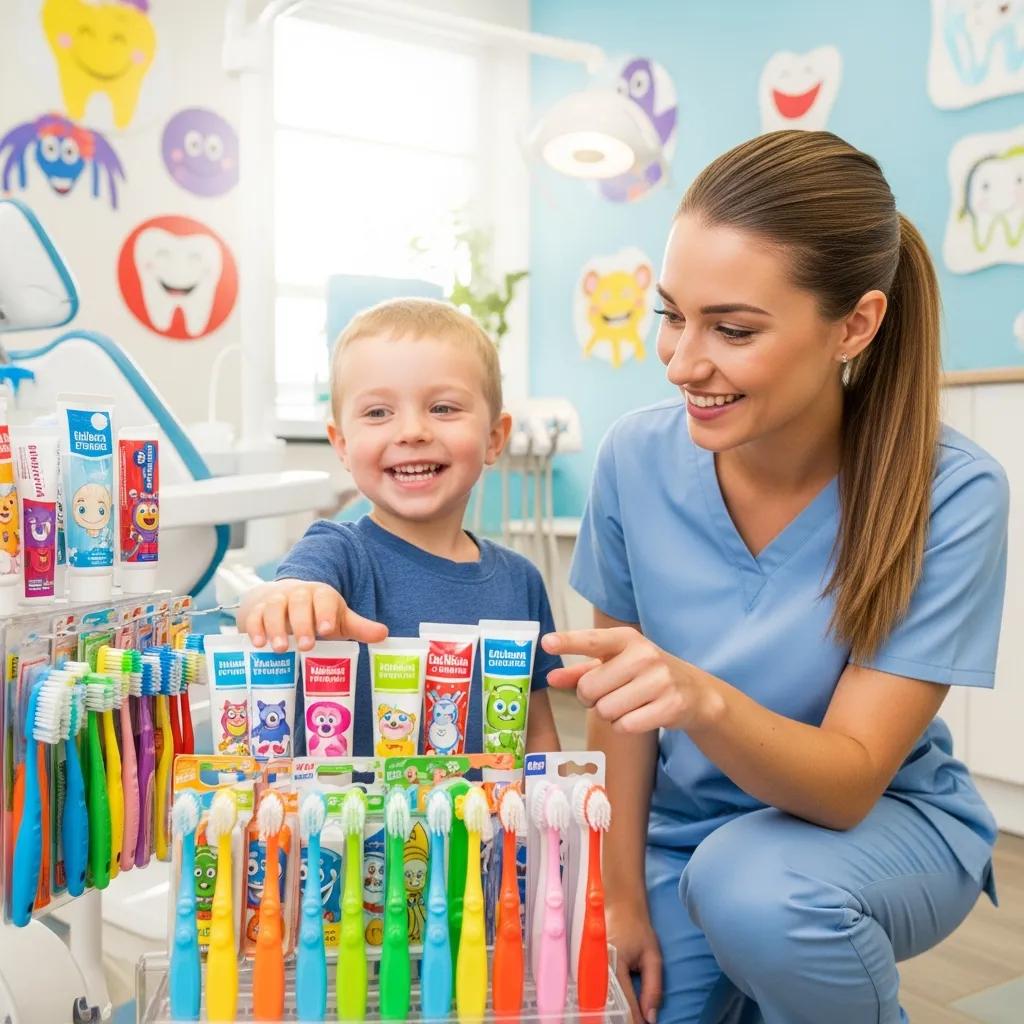
Simple ways to keep visits positive:
- Use positive language: Say “the dentist will count your teeth” or “we’re helping your teeth stay strong” instead of focusing on pain.
- Involve your child: Let them choose a toothbrush or toothpaste so they feel in control.
- Celebrate bravery: Plan a small non-food reward or a fun activity after the appointment.
Choosing a Child-Friendly Pediatric Dentist and Office
Select a dentist who makes both you and your child feel comfortable. When choosing, consider training, the office atmosphere, and other parents’ feedback.
- Credentials: Confirm pediatric training and experience with children of your child’s age.
- Office atmosphere: A welcoming, child-focused space with friendly staff can ease nerves.
- Parent reviews: Read or ask for reviews to learn how the dentist handles anxious or young patients.
Frequently Asked Questions
What should I do if my child is already anxious about visiting the dentist?
Listen and validate their feelings. Use calming strategies (deep breathing, short role-play) and tell positive stories. A brief pre-visit to meet the team can reduce pressure. If anxiety persists, contact the pediatric dentist—many offer tailored techniques.
How can I explain the dental visit to my child in a way that reduces fear?
Keep explanations simple and upbeat. Describe the dentist as a friendly helper who checks teeth to keep them healthy. Avoid words like “pain” or “drill.” Explain the predictable steps—counting teeth, brushing, a sticker—to make the visit feel safe.
What are some signs that my child may need to see a dentist before their first appointment?
Watch for persistent tooth pain, sensitivity, visible cavities or discoloration, trouble chewing, or mouth injuries. If you notice these, schedule an appointment sooner—early care can prevent bigger problems.
How can I choose the right time for my child’s first dental visit?
Pick a time when your child is usually alert and cooperative—often in the morning after breakfast or a nap. Avoid times when they’re tired or hungry, and ask the office for a quieter slot if your child is easily overwhelmed.
What should I do if my child refuses to go to the dentist?
Respond with patience and curiosity—ask what worries them and validate it. Offer gentle explanations, practice at home, and use small incentives. If refusal continues, consult a pediatric dentist experienced with anxious children for gradual exposure strategies.
Are there any specific dental care practices I should start at home before the first visit?
Yes. Brush twice daily with child-appropriate fluoride toothpaste and a soft brush, and start flossing once two teeth touch. Make brushing fun with songs or games, and limit sugary snacks and drinks to support oral health.
Conclusion
Preparing your child for their first dental visit sets the stage for lifelong oral health. With calm preparation, reassuring language, and a short checklist, you can make the appointment a positive step toward healthy habits. Explore resources for more tips and take the next step toward a confident, stress-free dental experience for your child.