
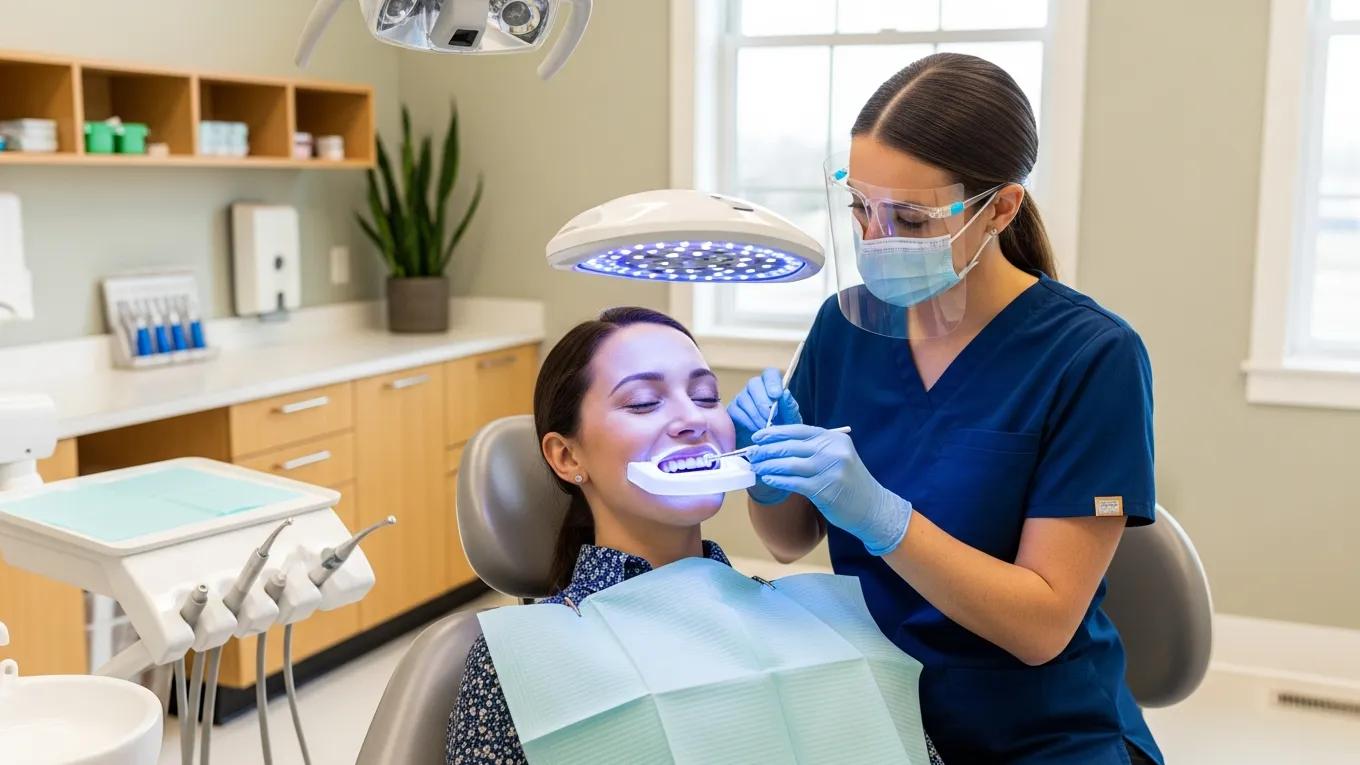
Professional Teeth Whitening: Fast, Effective Results
Professional Teeth Whitening: Fast, Effective Results
Professional teeth whitening is a reliable way to brighten your smile. This article outlines professional methods, their benefits, safety considerations, and practical aftercare. We cover in‑office treatments and dentist‑supervised take‑home kits, explain why professional care often outperforms over‑the‑counter products, and offer guidance to help you maintain results.
Key Takeaways
- Professional teeth whitening uses potent agents like hydrogen peroxide to quickly lighten tooth enamel and remove stains.
- In-office treatments provide immediate results with high-concentration gels and light activation in about one hour.
- Take-home kits offer gradual whitening with custom trays and lower concentration gels for flexible use.
- Professional whitening delivers faster, more customized, and longer-lasting results than over-the-counter products.
- Dental professionals ensure safety by assessing oral health and minimizing risks like sensitivity and gum irritation.
- Maintaining whitened teeth requires avoiding staining foods, practicing good oral hygiene, and scheduling touch-up treatments.
- Safe whitening options for sensitive teeth include lower agent concentrations and protective barriers recommended by dentists.
- Patient comfort is prioritized through desensitizing agents and personalized care during professional whitening procedures.
- Consultations at dental offices help tailor whitening treatments to individual needs and ensure effective outcomes.
Achieving Fast and Effective Results for a Brighter Smile through Professional Teeth Whitening
Professional teeth whitening lightens tooth colour using a bleaching agent—commonly hydrogen peroxide—that penetrates enamel to break down stains. The main advantages are speed and effectiveness: many patients see visible improvement after a single session, and professional protocols usually outperform store‑bought options.
Methods:
Two primary professional approaches are available: in‑office treatments and dentist‑provided take‑home kits, each tailored to your dental health and cosmetic goals.
In-Office Treatments:
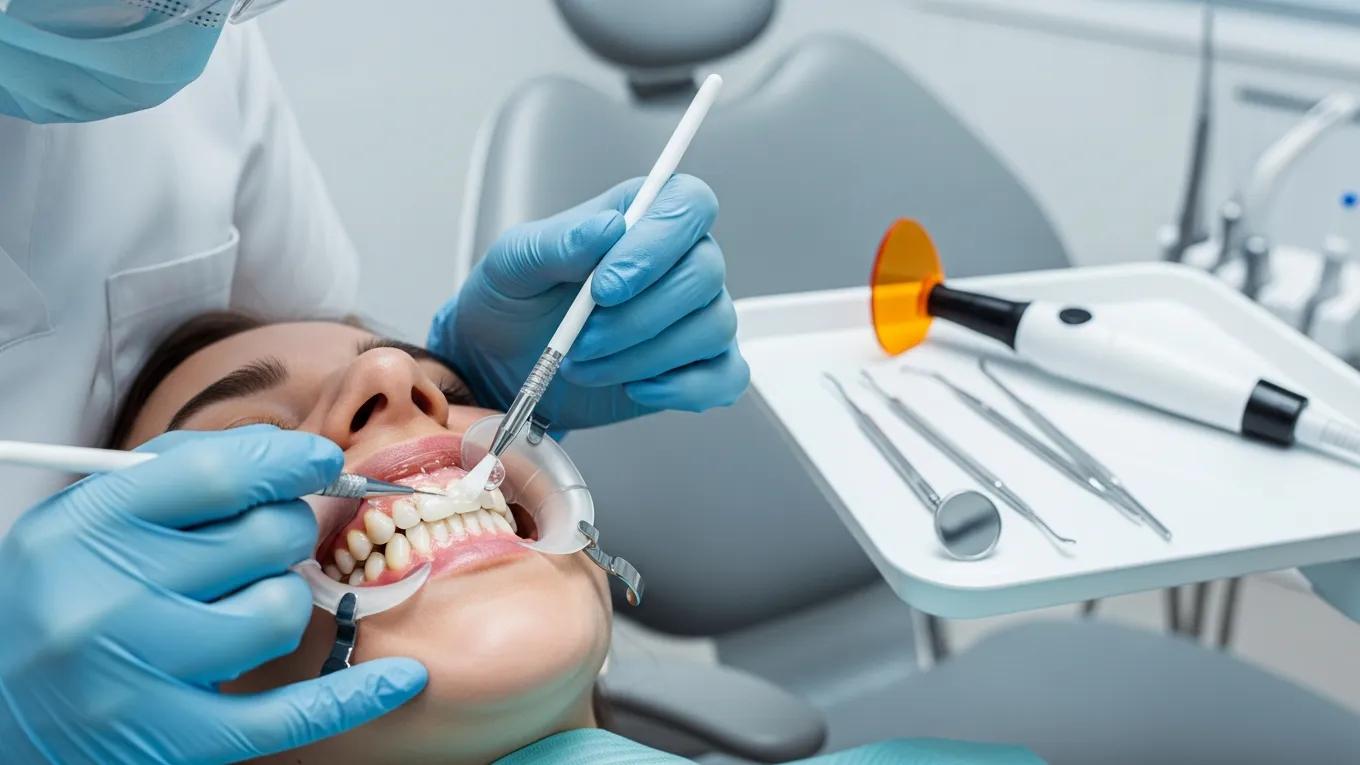
In‑office whitening uses higher‑concentration gels applied by a clinician, often with a specialized light to accelerate bleaching. Appointments usually last about one hour and can produce several shades of improvement in a single visit, making this the fastest option for noticeable change.
Take-Home Kits:
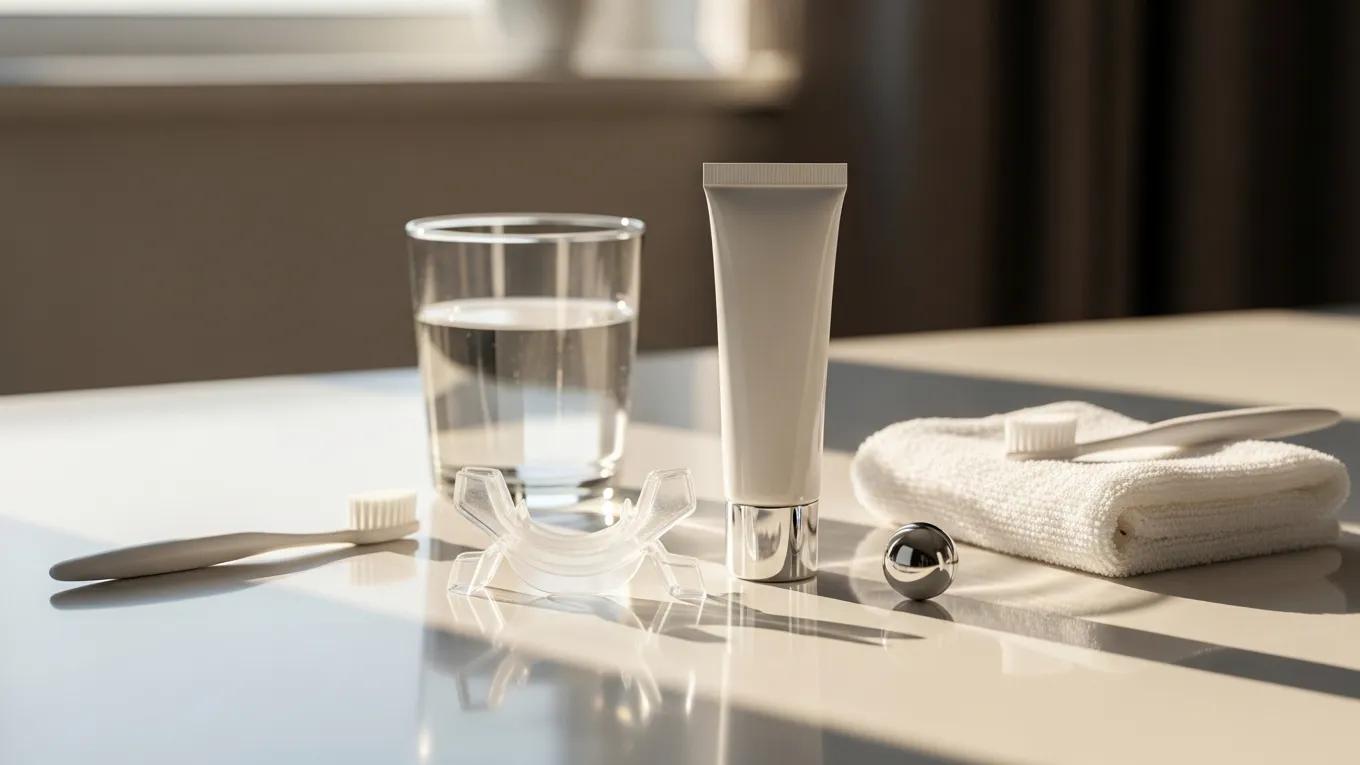
Take‑home kits use custom‑fitted trays and a lower‑strength gel provided by your dentist. They offer convenience and gradual whitening—trays are worn for a few hours daily or overnight according to instructions. Results take longer than an in‑office session but allow flexible scheduling and careful control of concentration.
Benefits:
Professional whitening offers advantages over at‑home products, including:
- Faster Results: Treatments can lighten teeth by several shades in a single session.
- Customized Approach: Dentists tailor treatment to each patient’s needs for better outcomes.
- Minimized Sensitivity: Protective measures and desensitising options reduce discomfort during and after whitening.
Midwest Family Dental Care provides dentist‑supervised treatments designed for safety and reliable results.
Safety Considerations:
Safety is central to professional whitening. Clinicians inspect your oral health before treatment to identify issues—such as gum sensitivity or decay—that could affect outcomes. They select products and protocols that protect soft tissues and enamel while minimizing risk.
Potential Risks:
Although generally safe, whitening can cause temporary side effects:
- Tooth Sensitivity: Some patients notice temporary sensitivity during or after treatment.
- Gum Irritation: If gel contacts the gums, irritation may occur.
These effects are usually short‑lived and manageable with dental guidance.
Maintaining Your Whitened Smile:
To preserve results, limit staining foods and drinks, maintain good oral hygiene, and follow recommended touch‑up schedules. Midwest Family Dental Care schedules follow‑up visits to monitor results and address concerns.
What Is Professional Teeth Whitening and How Does In-Office Bleaching Work?
Professional whitening uses stronger bleaching agents than over‑the‑counter options. In‑office bleaching commonly begins with cleaning, then gel application; a light or laser may be used to enhance penetration and brightness.
In-Office vs. At-Home Tooth Bleaching: Efficacy & Safety Review
ABSTRACT: Wojciech Liszka1,Kinga Kosiń2,Alicja Polak3,Jakub Kiwior3,Maria Malina4
In-office vs at-home tooth bleaching: A narrative review of efficacy and safety, 2026
Understanding Professional Dental Bleaching Procedures
Dentists use clinically tested products and conduct consultations to set realistic whitening goals. This individualized approach helps ensure appropriate care and the best possible outcome.
How Long Does a Fast Teeth Whitening Treatment Take?
An in‑office session typically takes about one hour. Take‑home kit schedules vary, but many patients notice changes within days to a few weeks of regular use.
What Are the Benefits and Safety Considerations of Cosmetic Teeth Whitening Services?
Cosmetic whitening improves appearance and confidence. Professional oversight ensures suitability for your oral health and lets your dentist manage side effects for a safer, more effective process.
What Makes Safe Teeth Whitening Options Suitable for Sensitive Teeth?
For sensitive teeth, dentists recommend lower concentrations, protective gum barriers, and desensitising products. These adjustments balance comfort and efficacy.
Expected Results and Patient Comfort During Whitening Treatments
Patients can expect noticeable shade improvement. Comfort measures—such as desensitising agents and barriers—are commonly used, and most patients report satisfaction with results and care.
How Much Does Professional In-Office Teeth Whitening Cost and Are There Financing Options?
Costs vary by treatment and location. At Midwest Family Dental Care, patients can ask about pricing and financing to make treatment more accessible. Whitening is an investment in appearance and confidence.
How Can You Schedule Your Professional Teeth Whitening Appointment at Midwest Family Dental Care?
Contact the office to discuss goals and book a consultation. The dentist will evaluate your teeth and recommend the most suitable method for your needs.
What to Expect During Your First Visit for In-Office Bleaching
Your first visit includes an examination of teeth and gums, an explanation of the process, answers to your questions, and confirmation of comfort before starting. This thorough review builds trust in the treatment plan.
How Midwest Family Dental Care Ensures Patient-Centered Whitening Experiences
Midwest Family Dental Care emphasizes patient‑centered care with personalized assessments and tailored whitening plans. The team keeps you informed and comfortable to deliver consistent, quality results.
Frequently Asked Questions
What factors influence the effectiveness of professional teeth whitening?
Effectiveness depends on stain type, bleaching concentration, and application method. Extrinsic surface stains respond more readily than intrinsic stains. Enamel thickness and overall dental health also influence results.
How often can I undergo professional teeth whitening treatments?
Frequency depends on method and staining. In‑office sessions are often repeated every six months to a year if needed; take‑home kits may need touch‑ups every few months. Consult your dentist for a safe schedule.
Are there any dietary restrictions after teeth whitening?
Yes. Avoid staining foods and drinks—coffee, tea, red wine, and dark sauces—especially during the first 24–48 hours when a “white diet” is often recommended.
Can teeth whitening cause long-term damage to my teeth?
When performed by a qualified professional and used as directed, whitening rarely causes long‑term harm. Overuse or improper application can increase sensitivity or affect enamel, so follow dental guidance.
What should I do if I experience sensitivity after whitening?
Contact your dental professional. They may suggest desensitising toothpaste, adjust future gel concentrations, or recommend avoiding very hot or cold foods until symptoms subside. Most sensitivity resolves within days.
Is professional teeth whitening suitable for everyone?
Not always. Patients with severe gum disease, untreated decay, or extreme sensitivity should consult a dentist first. Pregnant or nursing individuals are generally advised to wait. A full dental evaluation determines suitability.
What are the differences between laser whitening and traditional whitening methods?
Laser whitening uses a focused light to activate gel and can produce faster, more dramatic results in one session. Traditional in‑office or take‑home methods may take longer but can be more comfortable. Your dentist will recommend the best option.
Conclusion
Professional teeth whitening offers a fast, effective path to a brighter smile with tailored treatments and safety protocols to minimize risks. Our team supports aftercare and follow‑up. Schedule a consultation at Midwest Family Dental Care to review your best whitening options.
Following are the Teeth Whitening treatment services at respective locations:
Jenison: https://www.midwestfamilydentalcare.com/locations/jenison-mi/periodontics-gum-disease/
Grandrapids: https://www.midwestfamilydentalcare.com/locations/grandrapids-mi/teeth-whitening/
Kalamazoo:https://www.midwestfamilydentalcare.com/locations/kalamazoo-mi/teeth-whitening/
Portage: https://www.midwestfamilydentalcare.com/locations/portage-mi/teeth-whitening/
Kokomo: https://www.midwestfamilydentalcare.com/locations/kokomo-in/teeth-whitening/