
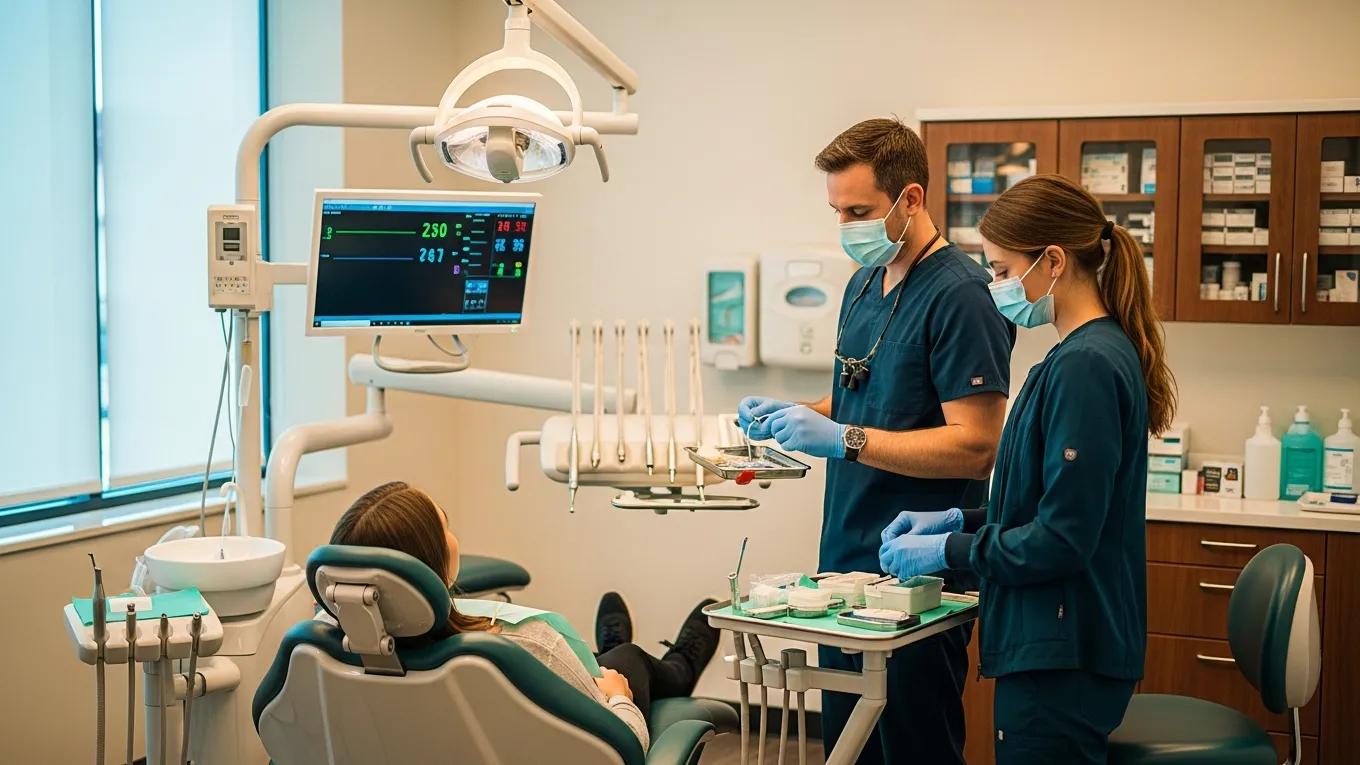
IV Sedation for Oral Surgery and Extensive Dental Work
IV Sedation for Oral Surgery and Extensive Dental Work: Safe and Comfortable Dental Care Solutions
IV sedation helps patients remain relaxed and comfortable during oral surgery and extensive dental treatment. Delivered through an intravenous (IV) line, it acts faster and deeper than oral sedatives or nitrous oxide, reducing anxiety and improving comfort for complex procedures. This article summarizes the benefits, what to expect, preparation and recovery guidance, and common patient concerns.
Key Takeaways
- Deeper relaxation and anxiety reduction for oral surgery and extensive procedures.
- Intravenous delivery gives rapid onset and adjustable sedation levels.
- Patients stay conscious but often do not recall procedure details, improving comfort.
- Enables longer, more complex treatments to be completed efficiently in one visit.
- Safety relies on pre‑sedation assessment and continuous monitoring by trained staff.
- Post‑procedure care focuses on rest, hydration, and following dental team instructions.
- Temporary grogginess is common; plan for assistance and supervision after treatment.
- Choice of sedation depends on procedure complexity, anxiety level, and medical history.
- IV sedation is an effective option to manage dental anxiety and enable care.
Benefits of IV Sedation
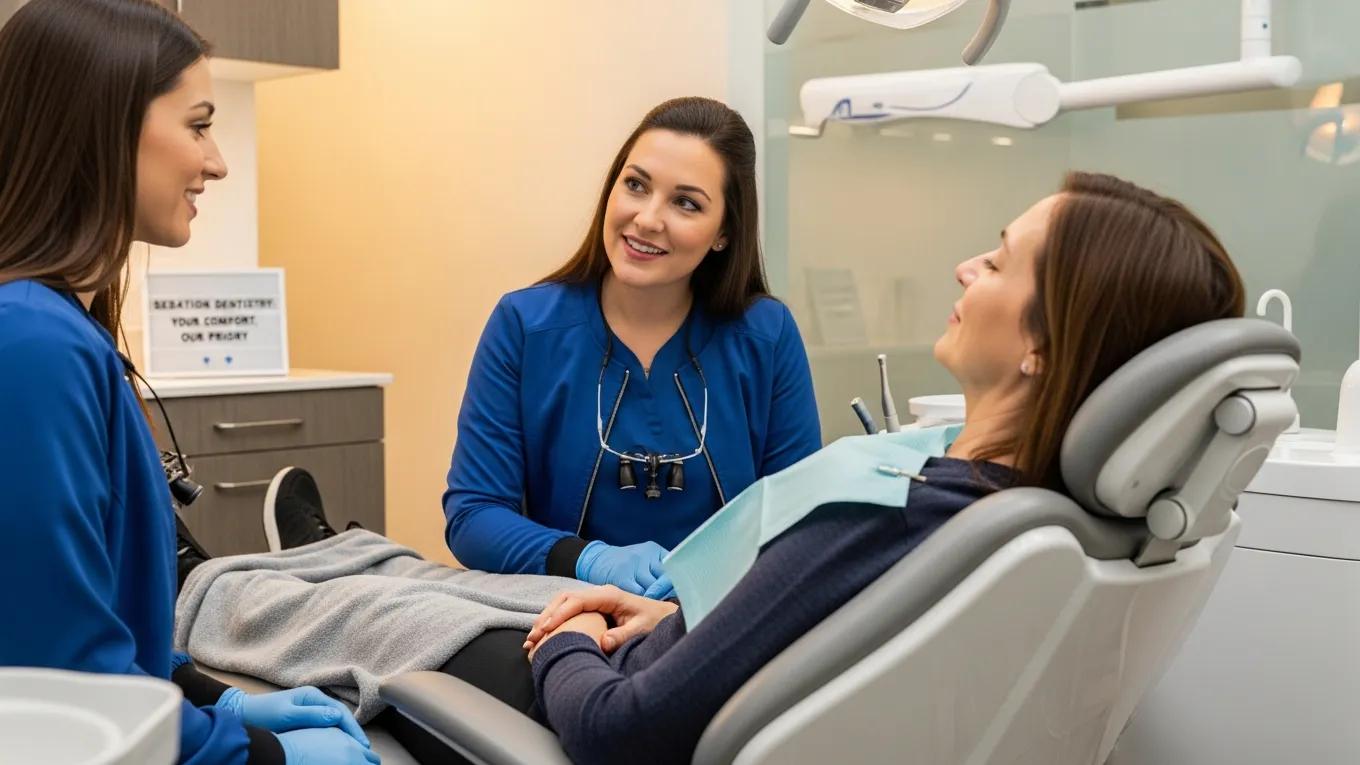
IV sedation is especially useful for lengthy or complex dental care because it produces reliable relaxation and allows careful control of sedation depth.
- Alleviates Anxiety: IV sedation significantly reduces dental fear, helping patients stay calm during treatment.
- Allows for Longer Procedures: Dentists can perform longer or multiple treatments in a single visit without repeated interruptions.
- Enhances Comfort: Patients are less aware of sensations, which reduces distress and improves tolerance of procedures.
Midwest Family Dental Care offers IV sedation as part of its patient comfort and advanced treatment services.
What to Expect During the Procedure
A consultation and medical review precede IV sedation. The sedative is given through an IV for a prompt effect while the dental team continuously monitors vitals and adjusts dosing to keep you comfortable and safe. Afterward, expect grogginess and allow time to recover before resuming normal activities.
Choosing the Right Sedation Option
Your dentist will match sedation to the procedure, your anxiety level, and medical history to create a personalized plan that balances comfort and safety.
Post-Procedure Care

Follow clear aftercare instructions to support recovery. Key recommendations include:
- Rest and Recovery: Plan to rest the rest of the day; sedation effects can linger and impair coordination.
- Follow Instructions: Adhere to wound care, medication, and activity guidance from the dental team.
Patient Experiences
Many patients report reduced anxiety and positive care experiences with IV sedation, often highlighting compassionate staff and the ability to complete needed treatment with less stress.
What Is IV Sedation in Sedation Dentistry?
IV sedation is a method where sedative medications are administered directly into the bloodstream, producing fast, controllable relaxation. You remain responsive but typically feel drowsy and may have limited or no memory of the procedure.
How Does IV Sedation Work During Oral Surgery?
Medications used for IV sedation act on the central nervous system to induce relaxation and drowsiness. Clinicians titrate doses during treatment to maintain an appropriate sedation level while monitoring breathing, heart rate, and oxygenation.
What Are the Benefits of IV Sedation for Extensive Dental Work?
For extensive procedures, IV sedation reduces patient anxiety and enables more efficient, uninterrupted treatment sessions, which can improve clinical efficiency and patient convenience.
- Anxiety Reduction: Patients report less fear and more tolerance for longer visits.
- Efficiency in Procedures: Longer or combined treatments are often completed in a single appointment.
Is IV Sedation Safe for Oral Surgery and Dental Procedures?
When provided by qualified professionals, IV sedation is generally safe. Standard safety measures include pre‑sedation screening, monitoring during the procedure, and recovery observation. If you have medical conditions, discuss them in advance so precautions can be applied.
How Should Patients Prepare for IV Sedation Dentistry?
Preparation involves simple but important steps.
- Pre-Sedation Assessments: A thorough evaluation determines your suitability for IV sedation.
- Patient Instructions: Follow guidance on eating, drinking, and medications before the appointment to reduce risk.
How Does Sedation Dentistry Help Manage Dental Anxiety?
Sedation dentistry, and IV sedation in particular, reduces awareness and fear during treatment, making it easier for anxious patients to receive necessary dental care with less stress.
What Can Patients Expect During Recovery After Oral Surgery with IV Sedation?
Expect grogginess and reduced coordination as sedation wears off. You may be tired and should arrange for someone to take you home. Follow post‑operative directions and contact the dental office if you notice concerning symptoms.
How Long Does Sedation Last and What Are Recovery Timelines?
Duration varies with medications and individual response. Sedative effects commonly last several hours; most people recover within the same day, though feeling tired can persist longer after more complex procedures.
What Are Recommended Care Practices for a Smooth Recovery?
To support recovery after IV sedation, follow basic care practices:
- Rest: Allow your body to recover and avoid driving or operating machinery until fully alert.
- Hydration: Drink fluids as tolerated unless instructed otherwise.
- Monitor for Complications: Watch for unusual symptoms and contact the dental office if concerns arise.
Adhering to these steps helps promote healing and a smoother post‑procedure course.
Frequently Asked Questions
What types of dental procedures are suitable for IV sedation?
IV sedation suits extensive or multiple procedures such as extractions, implants, and complex restorative work, and is often recommended for patients with marked dental anxiety or difficulty tolerating treatment.
Are there any side effects associated with IV sedation?
Temporary effects like grogginess, dizziness, or nausea are common and typically resolve within hours. Rare complications can occur; discuss risks and management with your dentist before treatment.
How can patients manage anxiety before their dental appointment?
Use relaxation techniques (deep breathing, brief meditation), share concerns with the dental team, and bring a support person if helpful. If anxiety remains significant, discuss sedation options ahead of time.
What should patients avoid before undergoing IV sedation?
Avoid eating or drinking for the period your dentist specifies (commonly several hours). Refrain from alcohol or recreational drugs in the days prior, and check whether regular medications should be taken before the visit.
How does IV sedation differ from general anesthesia?
IV sedation keeps you conscious but relaxed and often amnestic; general anesthesia renders you fully unconscious. IV sedation is appropriate for many dental procedures that do not require full general anesthesia.
Can patients drive after receiving IV sedation?
No. Sedation impairs judgment and coordination. Arrange for a responsible adult to accompany you to and from the appointment and remain available until you are fully recovered.
How can patients ensure a smooth recovery after IV sedation?
Prioritise rest, hydrate, follow post‑operative instructions, avoid strenuous activity, and contact your dental provider if you experience excessive drowsiness, bleeding, fever, or increasing pain.
Conclusion
IV sedation is a safe, effective option for many patients needing extensive dental work. It reduces anxiety, improves comfort, and allows clinicians to complete longer procedures efficiently. Follow pre‑ and post‑procedure instructions and consult your dental team to determine whether IV sedation is appropriate for your care.Follow Midwest Family Dental Care for more dental services.