

Nitrous Oxide and Oral Sedation: Options and Safety
Comprehensive Guide to Nitrous Oxide and Oral Sedation: Safe Dental Sedation Options for Anxiety Management
Dental anxiety affects many people and can delay needed care. This guide explains common sedation dentistry options—primarily nitrous oxide and oral sedation—so you understand how they work, their effectiveness, and the safety measures in place. With this information, you can make informed decisions that reduce anxiety and improve comfort during dental procedures. It covers an overview of sedation dentistry, main types, effectiveness, safety protocols, and patient considerations.
Key Takeaways
- Sedation dentistry uses medications to reduce anxiety and discomfort during dental procedures for an improved patient experience.
- Nitrous oxide provides quick anxiety relief and is generally safe with minimal side effects for mild to moderate cases.
- Oral sedation effectively manages moderate to high anxiety but requires careful monitoring throughout the procedure.
- Both nitrous oxide and oral sedation enhance patient comfort and cooperation, leading to more successful dental treatments.
- Safety protocols include pre-procedure consultations, continuous monitoring during sedation, and post-procedure care for patient well-being.
- Patients should disclose medical history, assess anxiety levels, and understand recovery expectations when choosing sedation options.
- Nitrous oxide sedation is especially effective and safe for pediatric dental patients with anxiety, improving treatment cooperation.
- Oral sedation allows patients to remain awake yet deeply relaxed, often with limited memory of the procedure afterward.
Overview of Sedation Dentistry
Sedation dentistry uses sedative medications to manage anxiety and discomfort during dental care. The aim is to create a relaxed environment that helps patients complete necessary treatments with less distress. Benefits include reduced anxiety, greater comfort during procedures, and the option to finish multiple treatments in one visit when appropriate.
Types of Sedation
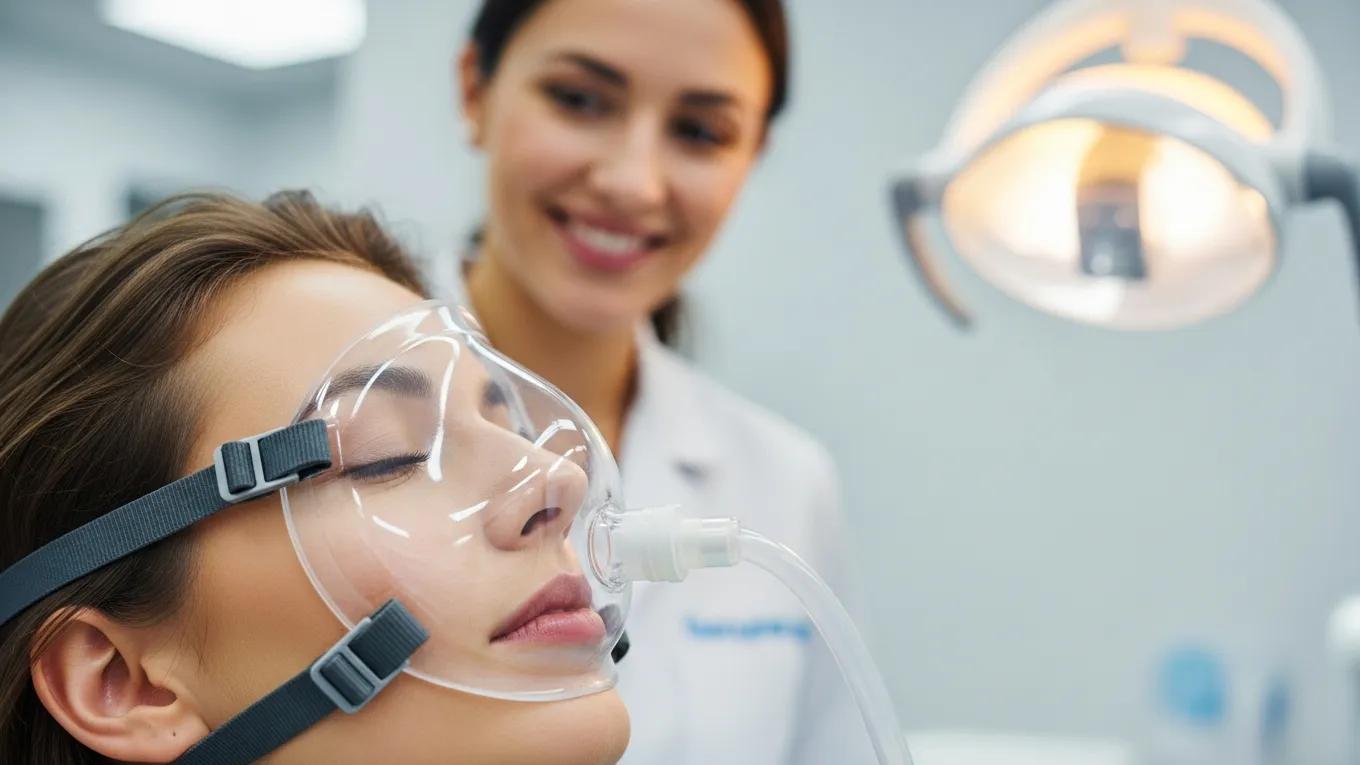
Dental sedation takes several forms, each suited to different needs and procedures. The two most commonly used approaches in general dentistry are nitrous oxide inhalation and oral sedation.
Nitrous oxide, commonly called “laughing gas,” is inhaled through a mask and rapidly produces a relaxed state, making it suitable for mild to moderate anxiety and shorter procedures. Oral sedation involves a prescribed pill taken before the appointment to manage higher anxiety levels. Both methods are intended to improve patient comfort and are used with appropriate safety measures.
A recent study highlights the efficacy of nitrous oxide in managing dental anxiety, particularly in pediatric patients.
Nitrous Oxide Sedation for Pediatric Dental Anxiety
Dental treatments under N2O-O2 inhalation sedation in pediatric dentistry are a safe method used for patients with dental anxiety. These procedures can facilitate the provision of appropriate treatments for uncooperative patients, ultimately leading to improved quality of life.
Fear can be characterized as a natural emotional response stemming from the perception of a genuine threat, whereas anxiety is linked to fearful reactions towards an anticipated, but unrealistic, threat situation. Dental anxiety refers to intense apprehension about dental procedures, even in the absence of a clear cause [1]. Dental fear and anxiety are complex phenomena affected by many variables [2].
Evaluation of dental treatments under nitrous oxide-oxygen inhalation sedation in pediatric patients with dental anxiety: a 10-
Year retrospective study, B Ghabchi, 2025
Midwest Family Dental Care offers both nitrous oxide and oral sedation options so patients can access the method best suited to their needs. This commitment to comfort and safety is a core part of their comprehensive care approach.
Effectiveness
Effectiveness varies by patient and procedure. Nitrous oxide works quickly and wears off fast, which makes it a good choice for shorter appointments. Many patients report feeling relaxed and less aware of the procedure, which reduces anxiety and improves cooperation.
Oral sedation is better suited to longer procedures or cases where stronger anxiety control is needed. It keeps patients awake but deeply relaxed, and many have limited recall of the treatment afterward. Both approaches can lead to improved comfort and more successful clinical outcomes when selected appropriately.
Safety Protocols
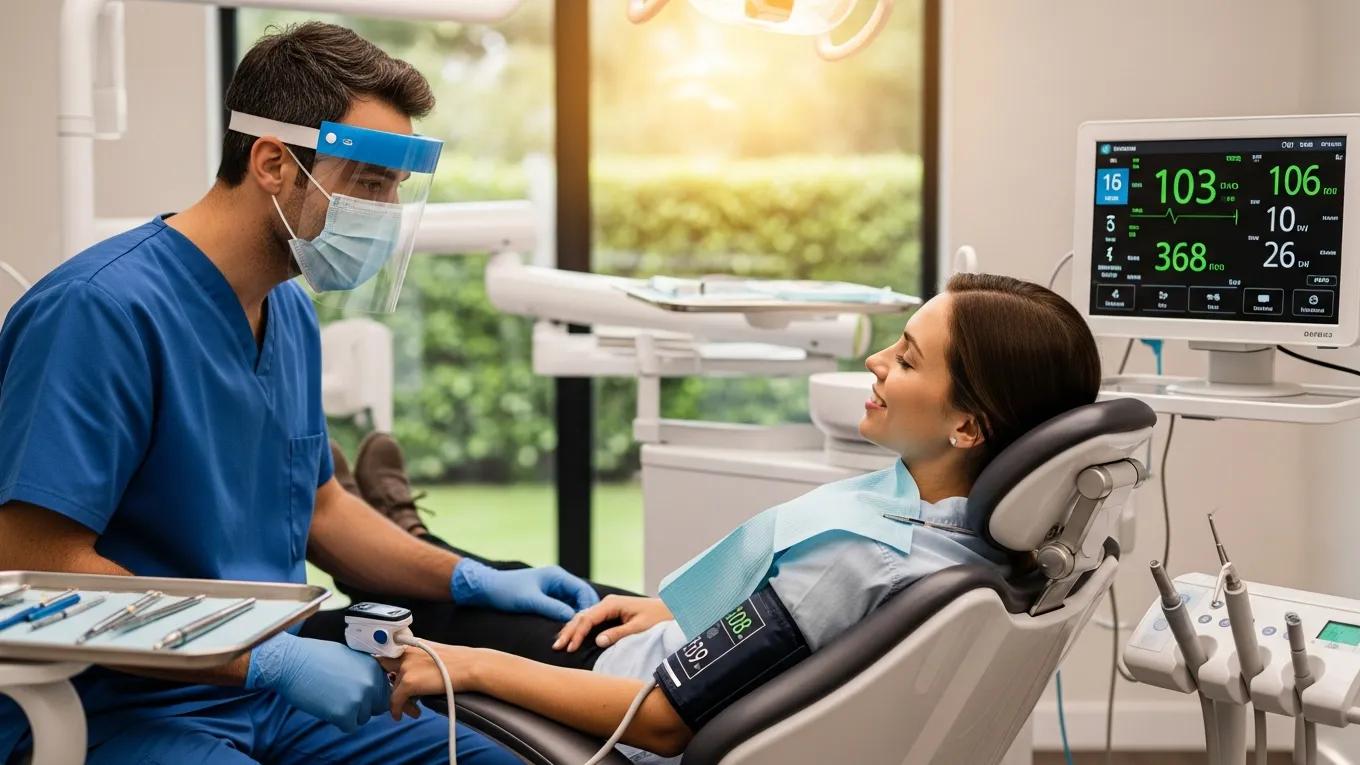
Safety is the top priority in sedation dentistry. Before any sedative is used, a thorough consultation reviews your medical history, current medications, and specific needs. This assessment identifies potential risks and contraindications.
During treatment, patients are closely monitored—vital signs are checked and sedation levels are adjusted as needed to maintain safety and comfort. After the procedure, staff provide post-procedure care and instructions, and patients may need assistance until the sedative effects subside.
Consulting with a qualified dental professional is essential to determine the best sedation option for your situation. Midwest Family Dental Care emphasizes patient safety and comfort and provides a supportive environment for sedation procedures.
Considerations for Patients
When evaluating sedation options, patients should consider several key factors:
- Medical History: Disclose any medical conditions or medications to the dental team.
- Anxiety Level: Assess personal anxiety levels to determine the most suitable sedation method.
- Recovery Expectations: Understand the recovery process and any post-procedure care needed.
Reviewing these factors with your dentist helps ensure you select the safest and most appropriate sedation method, improving your overall treatment experience.
Frequently Asked Questions
What are the potential side effects of nitrous oxide sedation?
Nitrous oxide is generally safe. Some patients may experience mild, short-lived effects such as dizziness, nausea, or headache. These usually resolve shortly after the gas is stopped. Rarely, more serious reactions like respiratory problems or allergic responses can occur. Discuss any health concerns with your dentist before the procedure to confirm nitrous oxide is suitable for you.
How long does the effect of oral sedation last?
Duration depends on the medication and your metabolism, but oral sedatives typically affect patients for about 2 to 6 hours. You may feel drowsy or groggy for several hours after treatment, so it’s advisable to arrange for someone to accompany you home and follow your dentist’s post-sedation instructions.
Can children receive oral sedation for dental procedures?
Yes. Children may receive oral sedation when anxiety is significant. Dosages are adjusted for the child’s weight and medical history to ensure safety. Oral sedation can help a child remain awake but relaxed during treatment, but a pediatric dental evaluation is essential to determine appropriateness and safety for each case.
What should I do if I feel anxious about dental sedation?
If you’re anxious, tell your dentist. Clear communication allows the dental team to explain the process, set expectations, and tailor the sedation approach to your needs. Addressing your concerns ahead of time helps create a safer, more comfortable experience.
Are there alternatives to nitrous oxide and oral sedation?
Yes. Intravenous (IV) sedation is an option for deeper sedation during longer or more complex procedures. Non-drug approaches—such as cognitive-behavioural therapy, relaxation techniques, and guided imagery—can also help manage anxiety. Discuss alternatives with your dentist to find the best plan for you.
How can I prepare for a dental procedure involving sedation?
Follow your dentist’s pre-appointment instructions on fasting and medication adjustments. Provide a complete medical history, including current medications and allergies. Arrange for a responsible adult to accompany you home after the procedure, and raise any questions with your dentist beforehand to ensure a smooth recovery.
Conclusion
Knowing the sedation dentistry options—such as nitrous oxide and oral sedation—can reduce dental anxiety and improve comfort during treatment. Both methods support safer, more manageable dental care when accompanied by proper monitoring and aftercare. Selecting the right option allows patients to approach dental visits with greater confidence and peace of mind. For more information on making your dental experience more comfortable, explore out services today.